Behind a Flawless Vehicle Wrap: Why Professional Installation Makes All the Difference
A freshly wrapped vehicle has a certain appeal. The colors look vibrant, the edges are smooth, and the graphics appear almost as though they were painted directly onto the body. What most people don’t see, however, is the considerable amount of preparation and craftsmanship that goes into achieving that finish. Even the most impressive artwork…
A freshly wrapped vehicle has a certain appeal. The colors look vibrant, the edges are smooth, and the graphics appear almost as though they were painted directly onto the body. What most people don’t see, however, is the considerable amount of preparation and craftsmanship that goes into achieving that finish.
Even the most impressive artwork can lose its charm when poorly installed. Uneven lettering, visible bubbles, and peeling corners can quickly turn an exciting project into a disappointing experience.
Investing in professional vehicle wrap installation helps businesses and individual vehicle owners achieve a polished appearance while reducing the likelihood of avoidable installation problems.
Also read: How to Turn TikTok Fame into a Profitable Career
Whether you’re branding a single service van or completely transforming the appearance of a personal car, the quality of the workmanship deserves just as much attention as the design itself.
A Great Wrap Begins Long Before Installation
People sometimes assume that wrapping a vehicle simply involves applying adhesive vinyl to its exterior. In reality, there’s quite a bit of work involved before installation begins.
The vehicle needs to be thoroughly inspected and appropriately cleaned. Dirt, wax residue, grease, and other contaminants can interfere with adhesive performance.
Also read: Share Market App – Your Ultimate Guide to Investing Like a Pro
Existing paint damage also deserves attention. A wrap may change a vehicle’s appearance, but it won’t repair corrosion, dents, or deteriorating paintwork.
Experienced installers examine these conditions beforehand to identify potential complications.
Accurate measurements are another important consideration. Vehicle panels, door handles, wheel arches, and body contours all influence how the graphics will fit together.
Also read: Unleash the Power of Digital Marketing: 5 Secrets You Need to Know
Getting these details right early in the process helps prevent unnecessary adjustments and material waste during installation.
It’s not the most glamorous part of the project, but it’s certainly one of the most important.
Understanding the Craft Behind Vinyl Graphic Application
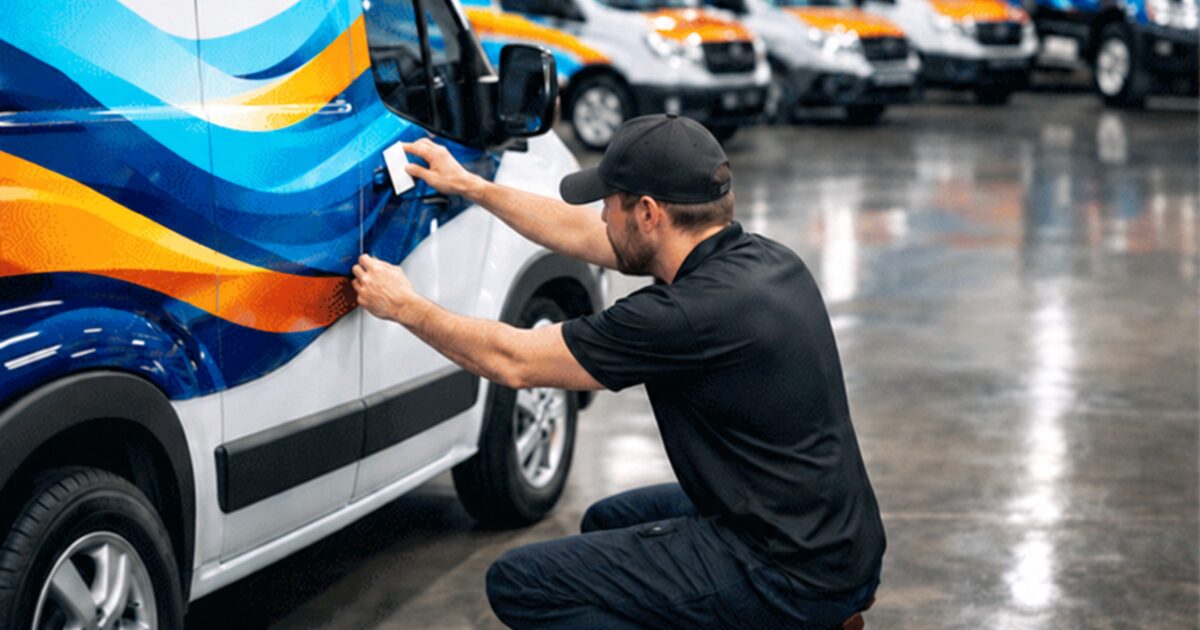
Applying vinyl to a flat surface is one thing. Working around curved panels, recessed areas, and complicated body shapes presents an entirely different challenge.
Experienced providers of vinyl graphic installation services understand how different materials behave when stretched, heated, and positioned across challenging surfaces.
Installers must carefully manage tension, alignment, and trapped air while working with the material.
Excessive stretching can distort printed artwork or compromise the vinyl’s performance. Improper treatment around recessed areas may eventually contribute to lifting or shrinkage.
There’s also the matter of keeping everything visually aligned. Imagine a company logo extending across two vehicle doors. Even a slight positioning error could make the design look uneven when the doors are closed.
Patience, technical knowledge, and attention to detail are essential.
Good installation isn’t something people necessarily notice immediately. Instead, they notice the absence of imperfections.
Keeping Commercial Fleets Consistent and Professional
For businesses operating multiple vehicles, maintaining a recognizable visual identity becomes increasingly important as the company grows.
A carefully planned fleet wrap application process helps ensure company colors, logos, and essential branding elements remain consistent across different vehicle types.
A plumbing business, for example, may operate pickup trucks alongside smaller service vans and larger commercial vehicles.
Although their body shapes differ, customers should still recognize them as belonging to the same company.
That requires more than reproducing identical artwork. Designers and installers need to adapt graphics to individual vehicle dimensions while maintaining the brand’s recognizable characteristics.
Scheduling matters as well. Taking several vehicles out of service simultaneously could disrupt everyday business operations.
Coordinating installations in manageable stages allows companies to refresh their fleet while continuing to serve customers.
Why Installation Conditions Matter More Than You Think
Temperature, cleanliness, and the surrounding environment can all influence how adhesive vinyl performs during installation.
Excessively cold conditions may make certain materials less flexible, while excessive heat can complicate positioning and handling.
Dust and airborne debris can also become trapped beneath the vinyl, creating visible surface imperfections.
Professional installation environments help reduce these challenges by providing more controlled working conditions.
Installers also follow product-specific guidelines involving application temperatures, surface compatibility, and post-heating requirements.
These considerations might seem overly technical, but they contribute directly to the quality and reliability of the finished wrap.
Choosing Materials That Complement Quality Workmanship
Even an experienced installer needs suitable materials to achieve dependable results.
Automotive-grade vinyl comes in different varieties, each designed for particular applications and surface conditions.
Some materials are better suited to complex curves, while others perform well on relatively flat panels.
Printed graphics may also require compatible protective laminates to help withstand sunlight, moisture, and everyday abrasion.
Before committing to a project, discuss material specifications, expected durability, and warranty conditions.
Choosing the cheapest option isn’t necessarily economical if premature deterioration means replacing the graphics sooner than anticipated.
Taking Care of Your Vehicle After Installation
Once a vehicle has been wrapped, sensible maintenance can help preserve its appearance.
Follow the installer’s recommendations regarding initial washing, suitable cleaning products, and routine care.
Gentle handwashing is often a practical option. Avoid directing high-pressure water toward vulnerable edges and seams.
Remove bird droppings, insect residue, and accumulated road grime promptly using manufacturer-approved methods.
Whenever practical, covered parking may also help reduce prolonged environmental exposure.
These aren’t particularly complicated responsibilities, but they can make a meaningful difference over time.
Investing in Workmanship That Speaks for Itself
A vehicle wrap represents more than a decorative upgrade. For businesses, it’s part of their public identity. For individual owners, it’s an expression of personal style.
Either way, the installation deserves careful consideration.
Choose experienced professionals, suitable materials, and designs that complement the vehicle’s shape and intended purpose.
A beautifully executed wrap shouldn’t draw attention to its seams, edges, or installation techniques. It should simply look right.
And ultimately, that effortless appearance is often the result of considerable skill, patience, and craftsmanship behind the scenes.