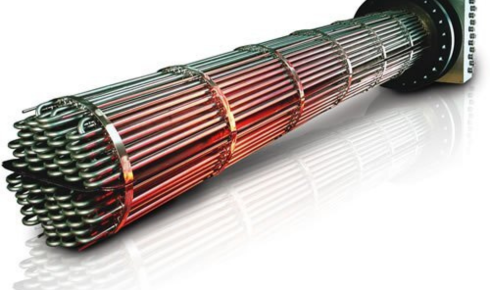
Heat behaves in predictable ways, yet controlling it inside industrial equipment takes careful planning. Industrial heater systems must generate high temperatures while protecting surrounding components from damage. Layered insulation makes that balance possible, especially in demanding applications that rely on strip heaters and other compact heater elements.
Blocks Heat Loss so Energy Stays Inside the Heater Core
Heat naturally moves from hotter areas to cooler ones. In an industrial heater, that movement can lead to wasted energy if the heat escapes before reaching the intended target. Layered insulation acts as a barrier that slows this transfer, keeping more thermal energy inside the heater core where it belongs.
Efficient insulation improves performance because the heater elements do not have to work as hard to maintain temperature. Strip heaters mounted on dies, platens, or flat metal surfaces depend on consistent heat output. By blocking heat loss, layered insulation allows these systems to operate more efficiently and maintain stable production conditions.
Layers Slow Heat Movement into Unwanted Areas
Industrial heater assemblies often sit close to wiring, frames, and sensitive components. Without insulation, heat can spread beyond the intended zone. Layered materials create resistance to that movement, protecting parts that should remain cooler.
Each insulation layer reduces thermal conductivity in a controlled way. Instead of allowing heat to radiate freely, the layers guide it toward the work surface. This controlled direction of heat flow supports accurate temperature management in strip heaters and other heater elements used in manufacturing.
Dense Insulation Protects Nearby Parts from Excess Warmth
Machinery includes seals, sensors, and structural components that can degrade under excessive heat. Dense insulation materials shield these parts from direct exposure. The barrier absorbs and deflects heat that might otherwise damage surrounding hardware.
Protective insulation also improves safety. Operators working near an industrial heater benefit when external surfaces remain within acceptable temperature limits. Shielding adjacent areas reduces accidental contact risks and extends the life of neighboring equipment.
Multiple Barriers Keep Temperature Swings Under Control
Industrial processes often require precise temperature ranges. Sudden changes can lead to defects in molded parts, coatings, or formed materials. Multiple insulation layers stabilize internal conditions by reducing rapid heat fluctuations.
Instead of reacting sharply to power adjustments, a well-insulated heater maintains smoother transitions. Strip heaters benefit from this stability because consistent surface temperature ensures uniform material processing. Controlled thermal behavior improves product quality and reduces rework.
Padding Cuts down Thermal Strain on Metal Housings
Metal expands when heated and contracts as it cools. Repeated expansion cycles can stress housings and mounting hardware. Insulation layers act as padding that buffers these changes, easing strain on the structure.
Over time, reduced thermal stress prevents cracks and warping. Heater elements remain properly aligned when housings maintain their shape. Layered insulation therefore contributes not only to energy efficiency but also to structural durability.
Stacked Materials Retain Heat for Consistent Output
Layered insulation often combines materials with different thermal properties. Some layers reflect heat inward, while others trap air to slow conduction. Together, they create a system that retains warmth even during brief power reductions.
Heat retention improves consistency in applications that rely on steady output. An industrial heater designed with stacked insulation responds predictably, delivering stable temperatures without sharp drops. This reliability matters in production environments that cannot tolerate frequent adjustments.
Insulation Layers Support Longer Heater Life in Tough Use
Industrial heater systems operate in demanding settings, sometimes for extended hours each day. High temperatures combined with mechanical stress can shorten the life of heater elements. Insulation reduces that stress by maintaining balanced heat distribution.
By protecting internal wiring and components from overheating, layered insulation supports long-term performance. Strip heaters that operate within stable temperature ranges experience fewer failures. Proper design choices extend equipment life and lower maintenance needs.
Insulated Design Helps Reach Set Temperatures Faster
A heater that loses heat to its surroundings must draw more power to reach the desired temperature. Insulated designs minimize that loss, allowing the system to warm up more quickly. Reduced warm-up time saves energy and shortens production delays.
Faster response times improve overall efficiency. Industrial heater units with layered insulation convert electrical input into usable heat more effectively. This efficient transfer supports higher throughput in manufacturing processes.
Internal Layers Stop Hot Spots from Forming Inside Units
Uneven heating can create hot spots that damage heater elements. Insulation distributes heat more evenly by slowing rapid transfer between areas. Balanced thermal flow reduces concentrated stress on specific sections. Preventing hot spots protects both performance and safety. Heater elements that operate within uniform temperature ranges maintain consistent resistance and output. Thoughtful insulation placement ensures that an industrial heater functions reliably without internal damage.
Thermal Corporation designs strip heaters and other industrial heater systems with layered insulation that supports efficiency, stability, and durability. Their team develops heater elements engineered to control heat precisely in demanding applications. By focusing on insulation strategy and structural integrity, Thermal Corporation delivers heating solutions built for long-term performance.