Category: Entertainment

  • 10 Tips for Making Viral Cartoon Videos with AI

    10 Tips for Making Viral Cartoon Videos with AI

    Creating a viral cartoon video might sound like a daunting task, but with the power of AI, it has never been easier. AI tools have democratized animation, making it accessible to creators of all skill levels. Whether you’re promoting a brand, telling a story, or entertaining your audience, these 10 tips will help you create cartoon videos that have the potential to go viral.

    1. Focus on a Relatable Storyline

    A great cartoon video starts with a compelling story. To make your video resonate with viewers, focus on universal themes like humor, emotion, or relatable scenarios. AI-powered tools have storyboarding features to help you map out your narrative visually.

    2. Keep It Short and Sweet

    In the age of social media, shorter videos tend to perform better. Aim for 30 seconds to 2 minutes, depending on the platform you’re targeting. Use AI to condense your ideas into an engaging video without losing the essence of your message.

    3. Leverage AI for Customization

    Tailor your video to your target audience by using AI-driven customization features. Tools like the Cartoon video AI generator allow you to personalize characters, backgrounds, and voiceovers to match your brand’s identity.

    4. Add a Strong Hook in the First 5 Seconds

    The first few seconds of your video are critical for grabbing attention. Use AI tools to design captivating visuals and animations that hook viewers immediately. Combine this with a compelling question or surprising element to draw them in.

    5. Optimize for Social Media Platforms

    Different platforms require different video formats and styles. AI tools can help you resize and format your videos for platforms like TikTok, Instagram, and YouTube. Ensure your videos are mobile-friendly and include subtitles for viewers watching without sound.

    6. Incorporate Humor and Emotion

    Viral videos often elicit strong emotional reactions, whether it’s laughter, joy, or inspiration. Use AI to create expressive characters and scenarios that amplify these emotions. Revid AI’s Cartoon video generator offers a range of pre-designed expressions and animations to make your characters come alive.

    7. Experiment with Trending Topics

    Stay up-to-date with current trends and incorporate them into your videos. AI tools can analyze trending keywords and topics to help you brainstorm viral-worthy ideas that resonate with your audience.

    8. Use Eye-Catching Thumbnails

    Your thumbnail is the first thing viewers see, so make it count. AI tools can automatically generate vibrant, engaging thumbnails that entice viewers to click on your video.

    9. Incorporate Call-to-Actions (CTAs)

    End your video with a clear and actionable CTA. Whether you want viewers to visit your website, subscribe to your channel, or share your video, AI can help design animated CTAs that are visually appealing and highly effective.

    10. Test and Optimize with AI Insights

    AI doesn’t just help with creation—it also provides insights into performance. Use analytics to measure your video’s engagement, viewership, and shares. Platforms like Revid AI offer recommendations for improving your videos based on real-time data.

    Why AI is a Game-Changer for Viral Cartoon Videos

    AI has made animation accessible, fast, and scalable. With tools like the Cartoon video AI generator, even those without animation expertise can create professional-grade videos. These tools automate complex tasks like character creation, voiceovers, and scene transitions, allowing creators to focus on storytelling and engagement.

    Final Thoughts

    Making viral cartoon videos is no longer reserved for big studios with massive budgets. With the right approach and AI-powered tools, anyone can create videos that capture attention and inspire shares. Start your journey today with this Cartoon video AI generator, and watch your creations take the internet by storm.
  • Organizing a concert

    Organizing a concert

    Organizing an event is not an easy job especially if you are in management. Arranging a small intimate party is a bit easier but if you are planning on arranging a concert it is going to take so much of your time and effort. But do not worry we have got you covered. Here is a guide for you to arrange a happening concert which people will remember for a long time.

    Plan ahead of time

    First of all, choose a date, and time for the concert. Choose the venue that is available on that date. Make sure to get a venue that is comparatively accessible for everyone. Make sure that the space is wide and the setup is not congested. Make sure to keep everything arranged at least two days before the concert because no matter how much we arrange some things will not go as planned. So try to be a little flexible about last-minute changes.

    Sound and lighting

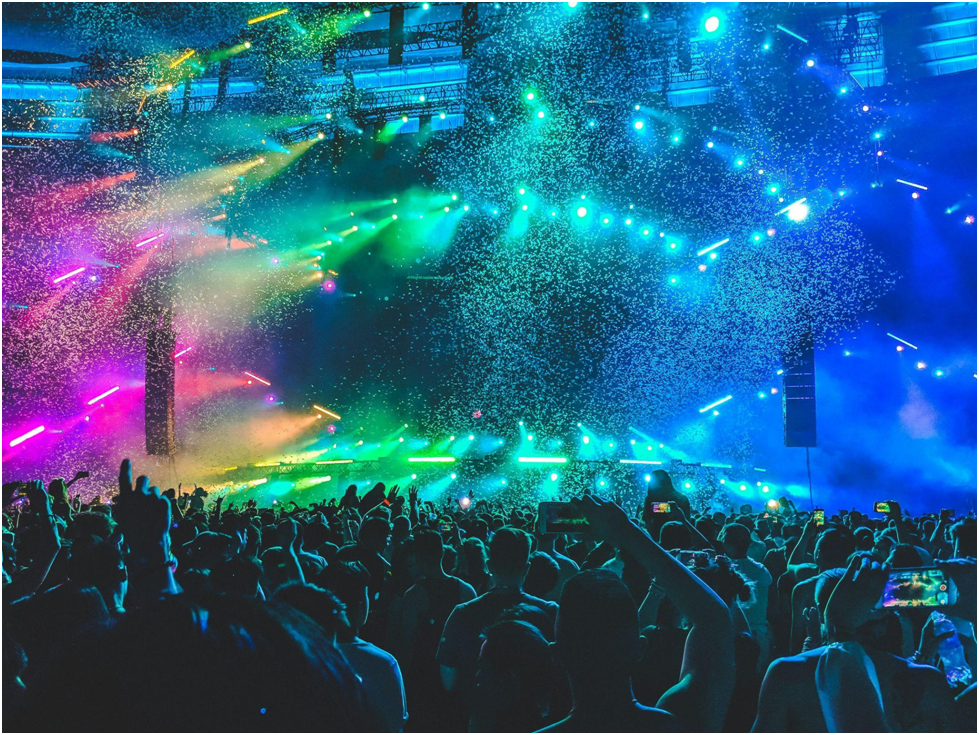
    In a concert sound and lighting matter the most. The stage should be set up in the center. All the chairs should be on the sides and in front of the stage. Make sure that the setup is visually pleasing as well. It should not feel like there is a stage and some chairs are thrown in just like that.

    The sound should be loud and clear. The lighting should be great. Choose high-quality speakers that distribute the sound equally. Install lights on the stage to illuminate performers and create ambiance. Spotlight focus should be on specific performers or areas of the stage. You can collaborate with an AV company to take care of speakers and lighting.

    Promotions

    After the main arrangements have been made, promote the concert. Send out flyers in universities or cafes. Advertise through social media. Make ads and emphasize the outclass management. Write about the special facilities you will be providing at the concert including food stalls and open parking. Create pages for your event and upload engaging content behind the scenes to generate buzz in the audience.

    Added facilities

    Provide high-quality wifi. Collaborate with a wifi installation company. Arrange food stalls for the public. Well-maintained washrooms should be provided. Arrange open space for parking to make it convenient for the audience. Make a family-friendly environment. Do not panic if anything does not go as planned. Be spontaneous. Get a backup for the power and sound system. Arrange bouncers and do not compromise if someone does not behave well. Be very strict about maintaining discipline.

    Budgeting

    Keep a tab with you to write each penny that you are spending on the event. Do a cost-benefit analysis and keep the rates of tickets accordingly. Estimate costs for venue rental, performers, AV equipment, marketing, wifi installation for attendee convenience, and any collaboration fees with the AV company. When budgeting for a concert, it is essential to research and estimate each expense accurately, consider potential fluctuations, and allocate funds accordingly to ensure a successful event within the specified budget constraints.

  • Comedy in Entertainment: The Science of Laughter

    Comedy in Entertainment: The Science of Laughter

    Comedy is an essential and universal form of entertainment that has the power to make us laugh and lift our spirits. Behind the humor and laughter lies a complex science that explores what makes us find certain things funny and why comedy is a vital component of entertainment. In this article, we will explore the science of laughter and the role of comedy in entertainment.

    The Universality of Laughter

    Laughter is a universal human behavior. People from all cultures and backgrounds laugh, even if the things that trigger laughter may vary. This universality suggests that there are innate aspects of humor that transcend cultural differences.

    Theories of Humor

    Psychologists and philosophers have developed various theories of humor to understand what makes us laugh. The Incongruity Theory, for example, posits that humor arises when there’s a contradiction between our expectations and reality. The Relief Theory suggests that laughter serves as a release of psychological tension.

    Timing and Delivery

    Timing and delivery are crucial in comedy. A well-timed punchline can maximize the impact of a joke. Comedic actors and stand-up comedians hone their delivery skills to elicit laughter from their audiences.

    Types of Comedy

    Comedy takes many forms, including slapstick, wordplay, satire, and observational humor. Each type has its own appeal and triggers laughter through different mechanisms.

    The Role of Surprise

    Surprise is often a key element in humor. When a joke or situation takes an unexpected turn, it can trigger laughter. Comedy writers and performers use surprise to keep audiences engaged and laughing.

    Social and Cultural Commentary

    Comedy often serves as a vehicle for social and cultural commentary. Satirical humor, for example, can point out societal issues and prompt reflection. Comedians like Jon Stewart and John Oliver use their platforms to blend humor with commentary.

    Stress Relief and Catharsis

    Laughter has been linked to stress relief and catharsis. Comedy provides a healthy outlet for pent-up tension and can improve one’s mood and well-being.

    The Evolution of Comedy

    Comedy has evolved over the years to reflect societal changes and sensibilities. What was considered funny in the past may not resonate with modern audiences. Comedy constantly adapts to address contemporary issues and preferences.

    Iconic Comedic Performers

    Comedic actors and performers, from Charlie Chaplin and Lucille Ball to contemporary stars like Kevin Hart and Tina Fey, have left lasting legacies in the world of entertainment. Their unique comedic styles have contributed to the evolution of comedy.

    Laughter in Entertainment

    Comedy is a fundamental element of entertainment. Television sitcoms, stand-up comedy specials, comedic films, and improvisational theater all play a significant role in providing laughter and enjoyment to audiences.

    Balancing Dark Humor

    Dark humor, which explores taboo or sensitive subjects, is a niche but popular form of comedy. It challenges societal norms and often requires a delicate balance to avoid causing offense.

    The Future of Comedy

    The future of comedy is closely tied to the changing dynamics of culture and technology. The digital age has given rise to online comedy, with platforms like YouTube and social media allowing comedians to reach global audiences.

    In conclusion, comedy is a fundamental and ever-evolving component of entertainment. Its ability to make us laugh, provide social commentary, and offer stress relief makes it a vital part of our lives. The science of laughter continues to intrigue researchers, and the art of comedy will persist in delighting and engaging audiences for generations to come.

  • The Influence of Literature on Film and TV Adaptations

    The Influence of Literature on Film and TV Adaptations

    The relationship between literature and film/television adaptations is a longstanding and intricate one. Many beloved works of literature have made the transition from page to screen, providing audiences with new interpretations and visualizations of classic stories. In this article, we will explore the influence of literature on film and TV adaptations and the dynamics of this creative interplay.

    Literary Adaptations as a Genre

    Literary adaptations form a distinct genre within the film and television industry. These adaptations bring stories and characters from classic and contemporary literature to a wider audience, leveraging the source material’s existing fan base.

    The Appeal of Beloved Books

    Adaptations of beloved books often generate considerable interest from readers and fans. Movie and TV adaptations offer a chance to see the world and characters they’ve imagined brought to life on screen.

    Faithful Adaptations

    Some adaptations strive to remain faithful to the source material, reproducing the story, characters, and dialogue as closely as possible. These adaptations are a way to honor the author’s work and preserve the essence of the book.

    Creative Interpretations

    Other adaptations take a more creative approach, reimagining the story or making changes to suit the medium of film or television. Directors, screenwriters, and actors bring their unique perspectives to the source material, offering fresh interpretations.

    Cinematic Language

    Filmmakers utilize the language of cinema to convey elements of the story that are challenging to translate directly from literature. Visual effects, sound design, and cinematography can add layers of meaning and emotion to the narrative.

    Character Casting

    Casting is a critical aspect of literary adaptations. The selection of actors can significantly impact the audience’s perception of beloved characters. Iconic performances can become synonymous with the characters they portray.

    Iconic Literary Adaptations

    There are numerous iconic literary adaptations in film and television, including “Gone with the Wind,” “The Godfather,” “The Lord of the Rings,” and “Game of Thrones.” These adaptations have left a significant mark on popular culture.

    Challenges in Adaptation

    Adapting a book for the screen can be challenging. The constraints of runtime and differences in narrative structure require screenwriters to make choices about what to include and what to omit. This process can disappoint purists but is essential for the medium.

    Reimagining for New Audiences

    Literary adaptations often introduce classic stories to new generations. They have the potential to make older works relevant to contemporary audiences by addressing universal themes and issues.

    Critical and Commercial Success

    Successful literary adaptations can enjoy both critical acclaim and commercial success. Winning awards and attracting large audiences can demonstrate the enduring appeal of the source material.

    Differing Interpretations

    One of the unique aspects of literary adaptations is that multiple interpretations can coexist. Different adaptations of the same work can offer diverse perspectives on the story and characters, allowing for ongoing exploration.

    The Influence of Literature on Filmmakers

    Many filmmakers and directors are influenced by literature and draw inspiration from books. The works of authors like William Shakespeare, Jane Austen, and F. Scott Fitzgerald continue to be adapted and reimagined.

    The Future of Literary Adaptations

    As the film and television industry continues to evolve, literary adaptations will remain a staple of entertainment. Emerging technologies and platforms will offer new opportunities for creative storytelling, ensuring that the relationship between literature and visual media endures.

    In conclusion, the relationship between literature and film/television adaptations is a rich and enduring one. It allows audiences to experience beloved stories in new and captivating ways while also providing filmmakers with a wealth of source material to draw from and reinterpret. The interplay between literature and screen is a testament to the enduring power of storytelling in its various forms.

  • The Role of Film and TV in Social Change

    The Role of Film and TV in Social Change

    Film and television have the power to influence society, shape perceptions, and bring about social change. Through compelling storytelling and impactful narratives, the entertainment industry can shed light on important issues, challenge stereotypes, and inspire action. In this article, we will explore the significant role of film and television in promoting social change.

    Raising Awareness

    One of the primary ways in which film and television contribute to social change is by raising awareness about various societal issues. They can shine a light on topics such as poverty, discrimination, inequality, climate change, mental health, and more. By presenting these issues in a compelling and relatable way, media can engage audiences in critical conversations.

    Empathy and Understanding

    Well-crafted stories and characters can foster empathy and understanding. When viewers connect with characters facing real-world problems, they often gain a deeper appreciation for the challenges others face in their daily lives. This increased empathy can lead to greater support for social change initiatives.

    Challenging Stereotypes

    Film and television have the ability to challenge and break down stereotypes. By portraying diverse and complex characters, media can help dispel biases and prejudices. Representation matters, and when individuals from various backgrounds are depicted positively, it can inspire real-world change.

    Advocacy and Activism

    Media can serve as a platform for advocacy and activism. It can inspire viewers to take action on issues they are passionate about, whether through donations, volunteering, or involvement in social and political movements.

    Historical Reflection

    Period pieces and historical dramas provide an opportunity to reflect on the past and understand the historical roots of contemporary issues. They can shed light on events and injustices that might have been forgotten or overlooked.

    Documentary Impact

    Documentary films and television programs often serve as powerful tools for social change. They provide in-depth exploration of important topics and can be a catalyst for public dialogue and policy change.

    Policy Influence

    Movies and TV shows can influence public opinion and, by extension, public policy. When a social issue gains public attention through media, it can lead to policy changes as politicians and lawmakers respond to the concerns of their constituents.

    Environmental Awareness

    Environmental issues have gained prominence in film and television, with documentaries and fictional works addressing climate change, conservation, and sustainability. These productions can motivate individuals and governments to take action against environmental threats.

    Mental Health Advocacy

    Mental health awareness has been a recurring theme in entertainment. Portrayals of characters dealing with mental health challenges can reduce stigma, encourage discussions, and promote access to mental health resources.

    Social Movements and Film

    Historically, film and television have played a significant role in social movements. Documentaries and news coverage of events like the civil rights movement, anti-war protests, and LGBTQ+ rights have helped bring about social change.

    The Role of Filmmakers and Creators

    Filmmakers, writers, and creators often take on the responsibility of advocating for social change. Their art serves as a means to express their convictions and influence a wider audience.

    Balancing Entertainment and Advocacy

    While entertainment can be a powerful tool for social change, it is important to strike a balance between delivering a compelling narrative and advocating for a cause. Heavy-handed messaging can risk alienating audiences.

    The Future of Film and TV in Social Change

    As the entertainment industry continues to evolve, it is likely that its role in promoting social change will expand. Emerging platforms, increased access to global audiences, and diverse voices in the industry will contribute to more diverse and impactful storytelling.

    In conclusion, film and television hold a vital place in driving social change. Their ability to capture the human experience, raise awareness, and inspire action underscores the importance of storytelling in addressing and advancing social issues. The industry’s impact is a testament to the transformative power of media and the potential for a more equitable and just world.

  • The Business of Entertainment: From Script to Screen

    The Business of Entertainment: From Script to Screen

    The entertainment industry is a multifaceted and dynamic field, where creativity meets commerce. From the initial idea to the final product on screen, the business of entertainment involves a wide range of professionals, processes, and strategies. In this article, we will delve into the intricate journey of bringing entertainment from script to screen.

    The Creative Spark

    Every piece of entertainment begins with an idea. Whether it’s a concept for a film, a script for a television series, a song, or a video game concept, the creative spark ignites the journey.

    Script Development

    In the case of film and television, script development is a crucial phase. Writers, often in collaboration with producers, directors, and studio executives, work on shaping the story, characters, and dialogue. Multiple drafts are typically created before a script is considered production-ready.

    Funding and Financing

    Financing is a fundamental aspect of bringing entertainment to life. Securing funding can be a complex process, involving investors, studios, production companies, and sometimes crowdfunding for independent projects. Budgets are meticulously crafted to cover expenses, from talent fees to special effects.

    Casting and Talent Acquisition

    Casting plays a significant role in determining the success of a project. The right actors or performers are chosen to bring characters to life. This process can be extensive, involving auditions and negotiations.

    Pre-Production

    Once the key elements are in place, pre-production begins. This stage involves hiring crew members, scouting locations, designing sets, and planning the shooting schedule. Detailed planning is essential to ensure a smooth production process.

    Production

    The production phase is where the script comes to life. Cameras roll, actors perform, and the collaborative effort of the crew creates the visual and auditory elements of the project. Production can be a complex and time-consuming process, often requiring extensive coordination.

    Post-Production

    Post-production involves editing, visual effects, sound design, and music composition. The final product is crafted from the raw footage and audio recordings. This phase requires skilled professionals to ensure the project meets its creative vision.

    Marketing and Promotion

    Marketing and promotion are vital to building anticipation and attracting audiences. Trailers, posters, social media campaigns, and interviews with the cast and crew are all part of the strategy to create buzz and interest.

    Distribution

    Distribution determines how the content reaches its audience. For films, this might involve securing deals with theaters, streaming platforms, and home video release. Music is distributed through record labels, streaming services, and physical copies. Video games are distributed through digital storefronts or physical retailers.

    Release and Exhibition

    The release of a film or the debut of a television series is a critical moment. Marketing campaigns and premieres generate initial excitement. For movies, the success of a theatrical release is a major factor in a project’s overall performance.

    Reception and Critique

    Audience reception and critical reception can significantly impact a project’s success. Reviews, ratings, and word-of-mouth recommendations shape the public’s perception.

    Revenue Streams

    Entertainment generates revenue through various streams, including box office earnings, streaming subscriptions, merchandise sales, and licensing deals. These revenue streams vary by medium and can contribute to the overall profitability of a project.

    Franchises and Expansions

    Successful entertainment properties often lead to sequels, spin-offs, and adaptations into other media. The expansion of a franchise can extend the life and profitability of a project.

    Legacy and Impact

    The impact of entertainment goes beyond its financial success. Iconic films, music, and games leave a lasting legacy and influence popular culture.

    The Ever-Evolving Landscape

    The entertainment industry continues to evolve with advancements in technology, changes in consumer behavior, and shifts in distribution models. Streaming services, virtual reality, and other innovations are reshaping the way entertainment is produced and consumed.

    In conclusion, the business of entertainment is a complex and collaborative endeavor, bringing together creative minds, financial resources, and strategic planning to transform ideas into captivating content. From script to screen, the process is a testament to the fusion of art and commerce in the world of entertainment.

  • Nostalgia in Entertainment: Revisiting the Classics

    Nostalgia in Entertainment: Revisiting the Classics

    Nostalgia is a powerful force in entertainment, with the ability to transport audiences back in time and rekindle fond memories of the past. The appeal of revisiting classic films, TV shows, and other forms of entertainment lies in the warm embrace of familiar stories and characters. In this article, we will explore the role of nostalgia in entertainment and its enduring popularity.

    Nostalgia’s Allure

    Nostalgia holds a unique allure for people of all ages. It allows individuals to revisit cherished moments from their past, whether it’s the movies they watched as children, the music that shaped their adolescence, or the video games they played in their youth.

    The Power of Reminiscence

    Nostalgic entertainment has the power to evoke strong emotions and memories. It can be a comforting escape from the complexities of the present, providing solace in the familiar and the reassuring.

    Revisiting Classics

    Audiences often seek out classic films and TV shows to revisit the magic of bygone eras. Movies like “Gone with the Wind,” “Casablanca,” and “The Godfather” are timeless classics that continue to captivate new generations.

    Adaptations and Revivals

    Hollywood often capitalizes on nostalgia by producing adaptations and revivals of beloved properties. Rebooting classic films, remaking television shows, or continuing the story of iconic characters can generate excitement and interest.

    Nostalgia in Pop Culture

    Nostalgia permeates pop culture. Trends in fashion, music, and entertainment frequently cycle back to earlier decades. For example, ’80s and ’90s fashion has made a resurgence, and bands continue to tour and perform classic albums.

    Video Game Remakes and Remasters

    The video game industry has embraced nostalgia by remaking or remastering classic games. Updated graphics, improved gameplay, and enhanced soundtracks offer players the chance to relive their gaming past with a fresh perspective.

    Streaming Services and Catalogs

    Streaming services have become a treasure trove of nostalgia, offering extensive catalogs of classic films, TV series, and music. Audiences can access their favorite titles and explore hidden gems.

    The Influence of Social Media

    Social media plays a significant role in the resurgence of nostalgia. Platforms like TikTok and Instagram are platforms for sharing retro trends, music, and references, connecting different generations through shared cultural experiences.

    Nostalgia’s Impact on Creativity

    Nostalgia has a significant impact on creativity. Creators often draw inspiration from their own nostalgic experiences, infusing their work with elements that resonate with their audience’s shared memories.

    Escapism and Comfort

    Nostalgic entertainment provides a form of escapism and comfort, allowing people to escape the stresses of the present and find solace in the comforting embrace of the past.

    Generational Pass-Down

    Nostalgia is often passed down through generations. Parents introduce their children to the movies, music, and games they loved, creating a sense of continuity and shared experiences.

    The Balance of Innovation

    While nostalgia is a potent force in entertainment, it must be balanced with innovation. Fresh and original content is essential to keeping the industry vibrant and forward-looking.

    The Future of Nostalgia in Entertainment

    Nostalgia is likely to remain a significant influence in entertainment. As new generations develop their own nostalgic connections to contemporary media, the cycle of revisiting and celebrating the past will continue.

    In conclusion, nostalgia in entertainment is a potent force that offers comfort, emotional connection, and a sense of continuity. Revisiting classic films, TV shows, and other cultural artifacts allows audiences to relive cherished moments and connect with their own personal histories.