Blog

  • Exploring the Latest Trends in the World of Gaming

    Exploring the Latest Trends in the World of Gaming

    The gaming industry has come a long way since its inception, evolving into a global phenomenon that transcends cultural boundaries and unites millions of players worldwide. From immersive storytelling to competitive esports, gaming continues to shape the entertainment landscape. Today, we’ll dive into some of the most prominent trends in the world of gaming and how they are reshaping the future of this dynamic industry. One such trend that is capturing the attention of both casual and dedicated gamers alike is the growing popularity of online casino games, such as slot88.

    The Rise of Cloud Gaming

    Cloud gaming has emerged as one of the most significant trends in recent years. By allowing players to stream games directly from the cloud without the need for expensive hardware, cloud gaming makes high-quality gaming experiences accessible to a wider audience. Services like Google Stadia, NVIDIA GeForce Now, and Xbox Cloud Gaming are leading the charge, enabling gamers to play on various devices, including smartphones, tablets, and laptops.

    This trend has also made gaming more inclusive, as players no longer need to invest in a high-end gaming PC or console to enjoy the latest titles. The convenience of cloud gaming, coupled with the increasing availability of high-speed internet, ensures that this trend will continue to gain momentum in the coming years. Whether you’re playing a AAA title or exploring a new indie game, cloud gaming makes it easier than ever to jump into the action.

    The Explosion of Mobile Gaming

    Mobile gaming has become a dominant force in the gaming industry, with more and more players turning to smartphones and tablets for their gaming needs. Games like “Pokémon GO,” “Clash Royale,” and “PUBG Mobile” have garnered massive followings, proving that mobile gaming is not just a casual hobby but a serious gaming experience.

    Mobile gaming offers the convenience of playing anywhere, whether you’re on a commute, waiting in line, or relaxing at home. With the development of more powerful smartphones, mobile games are now offering stunning graphics and complex gameplay that rivals traditional console and PC games. Moreover, the rise of mobile gaming has opened the door to new genres and experiences, including online slots like slot88, which allows players to enjoy thrilling casino-style games right from their mobile devices.

    Virtual Reality and Augmented Reality

    Virtual reality (VR) and augmented reality (AR) have been gaining ground in the gaming industry, bringing entirely new levels of immersion to the player experience. VR technology allows gamers to step into virtual worlds, using headsets and controllers to interact with their surroundings in a fully immersive environment. Popular VR games such as “Beat Saber” and “Half-Life: Alyx” have demonstrated the potential of this technology to redefine how we experience gaming.

    On the other hand, AR blends digital content with the real world, creating interactive experiences that players can enjoy in their own environment. Games like “Pokémon GO” and “Harry Potter: Wizards Unite” have made AR a household name, showcasing how these technologies can enhance traditional gaming by adding an extra layer of interactivity.

    Both VR and AR are expected to continue evolving, with gaming companies investing heavily in these technologies to create more immersive and engaging experiences for players. The future of VR and AR gaming looks bright, offering endless possibilities for new gameplay mechanics and storylines.

    The Popularity of Esports

    Esports has exploded in popularity over the past decade, with competitive gaming now considered a mainstream form of entertainment. Major esports events, such as the League of Legends World Championship and The International for Dota 2, attract millions of viewers and offer multi-million-dollar prize pools. Esports has become a global industry, with professional players, teams, and tournaments gaining recognition alongside traditional sports.

    The rise of streaming platforms like Twitch and YouTube has contributed significantly to the growth of esports. Gamers can watch live streams, engage with their favorite players, and follow tournaments in real-time. This has created a vibrant esports community, where fans can connect with players and teams from all over the world.

    Esports is not only attracting viewers but also shaping the future of gaming by influencing game design and creating new opportunities for players. With more schools and universities offering scholarships for esports athletes, the trend shows no signs of slowing down.

    Online Slots and Casino Games: slot88 and the Future of Gaming

    One of the most exciting trends in the gaming world today is the fusion of traditional gaming experiences with online gambling, particularly with the rise of online slot games. Online slots, like those found on platforms such as slot88, have gained immense popularity among gamers seeking a different kind of thrill. These slot games offer the same excitement and fast-paced action as traditional casino slots, but with the added convenience of playing from home or on the go.

    What sets slot88 apart is its vast selection of online slot games that cater to a wide range of preferences. Whether you’re into classic fruit machines, adventure-themed slots, or games inspired by popular culture, slot88 has something for everyone. The integration of bonus rounds, free spins, and multipliers ensures that every spin is filled with anticipation and excitement.

    The allure of slot88 lies in its simplicity and accessibility. Unlike other types of games that require intense skill or time investment, online slots are easy to play, making them ideal for casual gamers looking to unwind. Additionally, with the possibility of winning big jackpots, slot88 brings an added layer of excitement that traditional console and PC games cannot match.

    The Future of Gaming: Merging Trends and Technologies

    As gaming continues to evolve, we can expect even more innovations to reshape the industry. The integration of AI and machine learning into game design will enable more dynamic and personalized gaming experiences. Cloud gaming will continue to grow, providing gamers with more accessibility and flexibility in how they play. Additionally, technologies like VR and AR will open up entirely new ways of interacting with games, creating more immersive and interactive experiences.

    One thing is clear: the future of gaming is incredibly bright. Whether you’re a casual player or a dedicated esports enthusiast, the world of gaming is only going to become more exciting and diverse. With the rise of mobile gaming, cloud gaming, esports, VR, and platforms like slot88, the possibilities are endless.

    Conclusion

    Gaming is no longer just a hobby; it has become a cultural phenomenon that continues to shape the entertainment landscape. As trends like cloud gaming, mobile gaming, VR/AR, esports, and online slots such as slot88 continue to evolve, the gaming world will only continue to grow and diversify. Whether you’re competing in esports tournaments, exploring virtual worlds, or enjoying a few spins on your favorite slot game, there has never been a more exciting time to be a gamer. The future of gaming is here, and it’s full of limitless potential.


  • Unveiling the Excitement of Online Slot Gaming

    Unveiling the Excitement of Online Slot Gaming

    Slot games have captured the hearts of millions around the world, offering thrilling entertainment with the promise of exciting rewards. As the online gaming landscape evolves, these games have become more innovative and accessible than ever before. Whether you’re a seasoned player or a curious newcomer, there’s always something new to discover in the vibrant world of slot gaming.

    The Allure of Online Slot Platforms

    The shift from traditional casino slot machines to slot gacor online platforms has brought numerous advantages to players. Online platforms offer a vast selection of games, each with unique themes and gameplay features, ensuring there’s something for everyone. From ancient mythology to futuristic adventures, the variety is endless, providing a fresh and engaging experience with every game.

    Additionally, online platforms offer unmatched convenience. Players can enjoy their favorite games anytime and anywhere, whether at home or on the go. With advancements in mobile technology, slots are now optimized for smartphones and tablets, delivering a seamless gaming experience across devices.

    Features That Enhance Gameplay

    Modern slot games are packed with features designed to keep players engaged and excited. Free spins, bonus rounds, and wild symbols are just a few examples of the elements that add depth to the gameplay. These features not only make the games more entertaining but also offer additional opportunities for players to win.

    One of the most exciting innovations in slot gaming is the introduction of progressive jackpots. These jackpots grow with every bet placed on the game until a lucky player wins. The allure of potentially life-changing rewards makes progressive jackpot games particularly popular among players.

    Tips for an Enjoyable Gaming Experience

    To make the most of your slot gaming experience, it’s important to approach the games with a balanced mindset. Here are some tips to keep in mind:

    1. Set a Budget: Decide how much you’re willing to spend before starting, and stick to that amount. This ensures you can enjoy the game without financial stress.
    2. Explore Game Options: With so many slot games available, take time to explore different options. Trying out various themes and features can make your gaming sessions more exciting.
    3. Play for Fun: While winning is always a thrill, remember that the primary purpose of slot gaming is entertainment. Focus on the fun and excitement rather than solely on the outcomes.
    4. Utilize Bonuses: Many platforms offer bonuses, such as free spins or deposit matches. Take advantage of these to extend your playtime and increase your chances of success.

    The Role of Technology

    Technology has played a significant role in shaping the modern slot gaming experience. Advanced graphics, sound effects, and animations make these games visually stunning and immersive. Furthermore, Random Number Generators (RNGs) ensure that every spin is fair and unpredictable, creating a level playing field for all participants.

    For those looking to enjoy a rewarding and entertaining experience, situs slot gacor is a great place to start. Dive into the exciting world of online slots and see where the reels take you!

  • Exploring the World of Dultogel – Everything You Need to Know

    Exploring the World of Dultogel – Everything You Need to Know

    In recent years, online gaming has seen exponential growth, attracting enthusiasts from various backgrounds. Among the plethora of online gambling options, Dultogel has emerged as a popular choice for many players. This article aims to provide a comprehensive overview of Dultogel, its features, gameplay, and the reasons behind its increasing popularity.

    What is Dultogel?

    Dultogel is an online lottery game that combines the thrill of traditional lottery systems with the convenience of digital platforms. Originating from Indonesia, Dultogel offers players a chance to win substantial cash prizes by correctly predicting numbers. The game’s simplicity and accessibility make it appealing to both novice and experienced gamblers. Players can participate from the comfort of their homes or on the go using mobile devices.

    How Does Dultogel Work?

    The mechanics of Dultogel are relatively straightforward. Participants choose a set of numbers, typically ranging from a predefined pool, and place their bets. The winning numbers are drawn at scheduled intervals, and players can win based on how many of their selected numbers match the drawn numbers. The payout structure varies depending on the type of bet placed, with different odds for various combinations.

    Types of Bets in Dultogel

    1. 4D Bet: This involves selecting a four-digit number. Players win if they correctly predict the exact sequence of the drawn numbers.
    2. 3D Bet: In this category, participants choose a three-digit number. Players win if they match the drawn numbers in the exact order.
    3. 2D Bet: Players select a two-digit number. Winning is contingent upon matching the drawn numbers in the correct order.
    4. Colok Bebas: A more flexible betting option where players can win by matching numbers in any order.
    5. Colok Naga: A variant that allows players to select a specific number while still winning if it appears in the drawn results.

    Each betting type offers different odds and potential payouts, catering to various player preferences and risk appetites.

    Why is Dultogel Popular?

    1. Accessibility

    One of the primary reasons for the rising popularity of Dultogel is its accessibility. Unlike traditional lottery systems that may require players to visit physical locations, Dultogel can be played online at any time, making it convenient for players to participate from anywhere.

    2. User-Friendly Interface

    Most Dultogel platforms prioritize user experience, featuring intuitive interfaces that make navigation easy for users of all skill levels. This simplicity encourages newcomers to engage with the game without feeling overwhelmed.

    3. Variety of Games

    Dultogel platforms often offer a range of games, allowing players to explore different types of bets and gameplay styles. This variety keeps players entertained and engaged, reducing the chances of boredom.

    4. Community and Social Interaction

    Many Dultogel platforms incorporate social features, enabling players to interact with one another. This sense of community can enhance the gaming experience, making it more enjoyable and engaging.

    5. Promotions and Bonuses

    To attract new players and retain existing ones, many Dultogel platforms offer various promotions and bonuses. These incentives can include welcome bonuses, referral bonuses, and loyalty rewards, adding value to the gaming experience.

    Strategies for Winning at Dultogel

    While Dultogel is primarily a game of chance, players can adopt certain strategies to enhance their chances of winning:

    1. Research and Analysis: Players can study past winning numbers and patterns to make informed decisions when selecting their numbers.
    2. Budget Management: Setting a budget for gaming activities is crucial. Players should only wager what they can afford to lose, ensuring responsible gambling.
    3. Join a Community: Engaging with other players can provide insights and tips that may improve your gameplay. Online forums and social media groups dedicated to Dultogel can be valuable resources.
    4. Explore Different Betting Types: Experimenting with various types of bets can lead to discovering what works best for you. Each betting type has its odds and potential payouts, so finding a strategy that suits your style is essential.

    Conclusion

    In conclusion, Dultogel is an exciting and accessible online lottery game that has captured the interest of many players worldwide. With its user-friendly interface, variety of betting options, and engaging community features, it offers a unique gaming experience that continues to grow in popularity. Whether you are a seasoned player or a newcomer, understanding the intricacies of Dultogel can enhance your enjoyment and potentially increase your chances of winning.

    As with any form of gambling, it is vital to approach Dultogel responsibly. Set limits for your gameplay, enjoy the experience, and remember that the primary goal is to have fun while playing. With the right mindset and strategies, Dultogel can be a thrilling addition to your online gaming adventures.

  • Entrepreneurial Finance: Funding Your Startup

    Entrepreneurial Finance: Funding Your Startup

    Entrepreneurship is the engine of innovation and economic growth, and launching a startup is a thrilling endeavor. However, the path to entrepreneurial success is often paved with financial challenges. One of the key aspects of turning your entrepreneurial dreams into reality is securing the necessary funds to get your startup off the ground and keep it running. In this article, we will explore the various aspects of entrepreneurial finance and the different funding options available to aspiring entrepreneurs.

    The Importance of Financing for Startups

    Startup financing is a critical factor in determining whether your entrepreneurial venture will thrive or falter. It’s essential for several reasons:

    **1. Initial Capital: You need funds to cover essential startup costs, including product development, marketing, and operational expenses.

    **2. Growth and Expansion: As your business grows, you’ll need capital to expand your operations, reach new markets, and invest in scaling your business.

    **3. Sustainability: Adequate financing ensures your business can weather challenges, maintain cash flow, and keep operations running smoothly.

    **4. Innovation: Funds are essential for ongoing research and development to stay competitive and innovative.

    **5. Attracting Talent: To attract top talent and build a skilled team, you’ll need the financial resources to offer competitive salaries and benefits.

    **6. Marketing and Promotion: Marketing and advertising are crucial for gaining visibility and acquiring customers, which require a budget.

    Funding Options for Startups

    Several funding options are available to entrepreneurs. The choice of funding depends on the nature of your business, your financial needs, and your risk tolerance. Here are some of the primary sources of startup funding:

    **1. Bootstrapping:

    Bootstrapping involves using your personal savings and revenue generated by the business to fund your startup. It provides complete control over your business but can be limiting in terms of available capital.
    **2. Angel Investors:

    Angel investors are individuals who provide capital to startups in exchange for equity ownership. They often offer mentorship and guidance in addition to funding.
    **3. Venture Capital:

    Venture capital firms invest in high-growth startups with significant growth potential. In exchange for funding, they typically take an equity stake in the company and may require a seat on the board.
    **4. Crowdfunding:

    Crowdfunding platforms like Kickstarter and Indiegogo allow entrepreneurs to raise funds from a large number of individuals who believe in their project. In return, backers may receive early access to the product or other incentives.
    **5. Bank Loans:

    Traditional bank loans provide a lump sum of capital that must be repaid with interest. They are suitable for businesses with a solid credit history and collateral.
    **6. Small Business Grants:

    Some government agencies, non-profits, and corporations offer grants to startups, especially those working on projects that align with specific goals or initiatives.
    **7. Business Incubators and Accelerators:

    These programs provide startups with funding, mentorship, and resources in exchange for equity. They often involve structured, time-limited programs to accelerate business growth.
    **8. Strategic Partnerships:

    Partnering with established companies can provide startups with access to resources, funding, and distribution channels. Strategic partnerships can be beneficial for both parties.
    **9. Family and Friends:

    Some entrepreneurs seek funding from their family and friends, often in the form of loans or equity investments. While it can be a quicker option, it comes with personal and relationship considerations.
    **10. Revenue Financing:

    • Revenue financing, or revenue-based financing, involves raising funds by selling a percentage of future revenue. This option is suitable for businesses with a proven track record of revenue.

    **11. Initial Coin Offerings (ICOs):

    • For tech startups in the blockchain and cryptocurrency space, ICOs involve selling tokens or coins to investors to raise capital. However, they come with regulatory and market risks.

    **12. Self-Directed Retirement Accounts:

    • Some entrepreneurs use their retirement savings to fund their startups through self-directed retirement accounts. This approach has specific tax and legal considerations.

    **13. Government Programs:

    • Many countries offer government programs and grants to support startups in various industries. These programs may focus on innovation, research, and development.

    Factors to Consider When Choosing Funding

    Selecting the right funding option for your startup is a crucial decision. Here are some key factors to consider:

    **1. Capital Needs: Evaluate the specific financial requirements of your startup, including startup costs, operating expenses, and growth plans.

    **2. Equity vs. Debt: Decide whether you’re willing to give up equity in your company or prefer to take on debt.

    **3. Investor Fit: Consider the alignment between your startup and potential investors in terms of industry expertise, goals, and expectations.

    **4. Ownership and Control: Determine how much ownership and control you’re willing to relinquish in exchange for funding.

    **5. Growth Potential: Evaluate the growth potential of your startup, as some funding sources are better suited to high-growth businesses.

    **6. Exit Strategy: Consider your long-term exit strategy, whether it’s selling the company, going public, or maintaining ownership indefinitely.

    **7. Risk Tolerance: Assess your own risk tolerance and comfort with the terms and conditions of each funding source.

    Conclusion

    Entrepreneurial finance is a critical aspect of turning your startup dreams into reality. By understanding the various funding options available and carefully considering your startup’s unique needs, you can make informed decisions about how to secure the necessary capital to launch and grow your business. Each funding source comes with its advantages and challenges, so it’s essential to weigh the pros and cons to find the right fit for your entrepreneurial journey.

  • The Importance of Effective Communication in the Workplace

    The Importance of Effective Communication in the Workplace

    Effective communication is the cornerstone of any successful workplace. It plays a vital role in fostering collaboration, promoting a positive work environment, and ensuring that business goals are met. In this article, we will explore the significance of effective communication in the workplace and provide insights into how it can benefit organizations and their employees.

    **1. Fosters Teamwork and Collaboration:
    Effective communication encourages teamwork and collaboration among employees. When team members can clearly communicate their ideas, share information, and work together efficiently, the organization can achieve its goals more effectively. Collaborative efforts can lead to innovative solutions, improved productivity, and higher employee morale.

    **2. Promotes a Positive Work Environment:
    Clear and open communication fosters a positive work environment. When employees feel that their voices are heard and their contributions are valued, they are more likely to be engaged, motivated, and satisfied with their work. This positive atmosphere can lead to lower turnover rates and higher employee retention.

    **3. Enhances Employee Engagement:
    Effective communication helps engage employees by providing them with a clear understanding of their roles, expectations, and the organization’s vision. Engaged employees are more committed to their work, show higher levels of productivity, and are more likely to contribute to the company’s success.

    **4. Boosts Productivity:
    Efficient communication is essential for boosting productivity. When instructions, information, and feedback are conveyed clearly and in a timely manner, employees can perform their tasks more effectively. This results in improved productivity and the achievement of business objectives.

    **5. Prevents Misunderstandings and Conflicts:
    Clear communication helps prevent misunderstandings and conflicts in the workplace. When messages are ambiguous or misinterpreted, it can lead to disagreements and disruptions. Effective communication reduces the risk of conflicts and promotes a harmonious working environment.

    **6. Facilitates Decision-Making:
    Sound decision-making relies on the availability of accurate and timely information. Effective communication ensures that decision-makers have access to the data and insights they need to make informed choices. It streamlines the decision-making process and can lead to more successful outcomes.

    **7. Supports Change Management:
    In times of organizational change or transition, clear communication is crucial. It helps employees understand the reasons for the change, the expected impact on their roles, and the steps they need to take. Effective communication can ease the transition process and minimize resistance to change.

    **8. Enhances Customer Relations:
    Good communication extends beyond the workplace and also affects relationships with customers. When employees communicate effectively with customers, it leads to better service, customer satisfaction, and loyalty. Positive customer relations are vital for business success.

    **9. Improves Leadership and Management:
    Leaders and managers who excel in communication can provide clear guidance, offer constructive feedback, and motivate their teams. Effective communication skills are essential for effective leadership and management.

    **10. Builds Trust and Credibility:
    Trust is a fundamental element of workplace relationships. Effective communication builds trust by ensuring that promises are kept, information is shared transparently, and employees feel confident in their organization’s leadership.

    **11. Encourages Feedback and Continuous Improvement:
    Open and effective communication encourages employees to provide feedback and share their ideas for improvement. This feedback loop can lead to continuous innovation and refinement of processes and strategies.

    **12. Reduces Risk and Errors:
    Effective communication can help identify and mitigate risks in the workplace. It can also reduce the likelihood of errors, misunderstandings, and compliance issues that can result from poor communication.

    **13. Supports Remote and Global Teams:
    In today’s global and remote work environment, effective communication is even more critical. It ensures that team members across different locations and time zones can collaborate seamlessly, minimizing barriers and maximizing productivity.

    **14. Strengthens Leadership Transparency:
    Transparent leadership involves openly sharing information with employees about the organization’s goals, challenges, and progress. Effective communication helps leaders maintain transparency and keeps employees informed and engaged.

    **15. Enhances Employee Well-Being:
    Effective communication promotes employees’ well-being by reducing stress and anxiety related to job uncertainty or misunderstandings. It provides a sense of security and clarity in the workplace.

    **16. Supports Diversity and Inclusion:
    Clear and respectful communication is crucial for fostering diversity and inclusion in the workplace. It ensures that all employees are heard and valued, regardless of their background or characteristics.

    **17. Maintains Company Culture:
    Effective communication helps preserve and reinforce the company’s culture. When the values and beliefs of an organization are clearly communicated, employees are more likely to align with and uphold them.

    **18. Boosts Employee Morale:
    Employees who receive regular feedback, recognition, and communication about their performance and contributions tend to have higher morale and job satisfaction.

    Conclusion

    Effective communication is the lifeblood of a successful workplace. It underpins collaboration, productivity, employee engagement, and overall business success. Organizations that prioritize and invest in improving their communication practices are better equipped to meet their goals, foster a positive work environment, and adapt to the changing demands of the modern workplace. By recognizing the importance of effective communication, businesses can ensure that their employees are empowered, motivated, and ready to contribute to their collective success.

  • The Role of Behavioral Finance in Decision-Making

    The Role of Behavioral Finance in Decision-Making

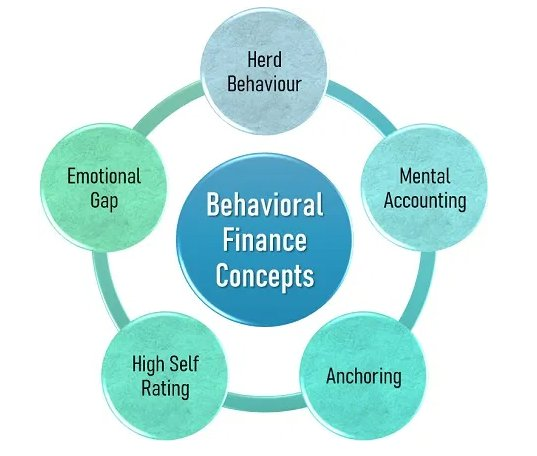
    Behavioral finance is a field of study that combines insights from psychology and economics to understand how human behavior and cognitive biases influence financial decision-making. While traditional finance assumes that individuals are rational and always make choices that maximize their financial well-being, behavioral finance acknowledges that human beings are subject to various emotional and cognitive biases that can lead to less-than-optimal financial decisions. In this article, we will explore the role of behavioral finance in decision-making, its key concepts, and its impact on personal finances.

    Key Concepts in Behavioral Finance

    Loss Aversion: Loss aversion refers to the human tendency to strongly prefer avoiding losses over acquiring equivalent gains. In financial decision-making, people often take unnecessary risks to avoid recognizing a loss, even when it might be the rational choice.

    Overconfidence: Overconfidence is a cognitive bias where individuals tend to overestimate their knowledge, skills, and the accuracy of their predictions. Overconfident investors may trade more frequently and believe they can consistently beat the market, which can lead to excessive risk-taking.

    Anchoring: Anchoring is a cognitive bias where individuals rely too heavily on the first piece of information they receive (the “anchor”) when making decisions. This can lead to suboptimal decisions, especially in pricing and valuation.

    Mental Accounting: Mental accounting is the tendency to treat money differently based on its source, purpose, or category. People may treat money differently when it comes from a windfall, salary, or a gift, even though it’s all fungible.

    Herding Behavior: Herding behavior is the tendency of individuals to follow the crowd or make decisions based on what others are doing. This can lead to bubbles and market volatility.

    Confirmation Bias: Confirmation bias is the tendency to search for, interpret, and remember information in a way that confirms one’s preexisting beliefs or hypotheses. Investors may ignore or discount information that contradicts their existing views.

    Availability Heuristic: The availability heuristic is the tendency to overestimate the importance of information readily available and easily recalled. This can lead to biased decision-making based on recent, emotionally charged events.

    Endowment Effect: The endowment effect is the tendency to assign a higher value to things simply because we own them. This can result in individuals holding onto investments or assets for longer than they should.

    Sunk Cost Fallacy: The sunk cost fallacy is the tendency to continue investing in a project or decision based on the resources (time, money, effort) already invested, even if the future benefits are questionable. This can lead to poor financial decisions.

    The Impact of Behavioral Finance on Decision-Making

    Behavioral finance has a significant impact on personal financial decisions, often leading to suboptimal outcomes:

    1. Investment Choices: Behavioral biases can influence investment decisions, leading to overtrading, impulsive decisions, and a preference for familiar investments, even when better options are available.
    2. Risk Tolerance: Biases like loss aversion and overconfidence can impact an individual’s perception of risk, leading to either excessive risk-taking or an overly conservative approach, both of which can affect long-term financial goals.
    3. Savings and Spending: Behavioral biases can affect how individuals save and spend money. People may overspend due to a lack of self-control, make impulsive purchases, or fail to save adequately for the future.
    4. Debt Management: Behavioral biases can lead to poor debt management, such as taking on high-interest loans, not paying off credit card balances, and underestimating the consequences of debt.
    5. Retirement Planning: Behavioral biases can affect retirement planning, leading individuals to delay saving for retirement, make suboptimal investment choices, or underestimate their retirement needs.
    6. Emotional Decision-Making: Behavioral biases often lead to emotionally charged financial decisions, such as panic-selling during market downturns, making investment decisions based on fear or greed, and ignoring long-term financial plans in favor of short-term emotional reactions.
    7. Avoidance of Risk:

    Behavioral biases may lead individuals to avoid risk altogether, even when taking calculated risks could lead to better financial outcomes, such as avoiding investment in the stock market altogether due to fear of loss.
    Strategies for Mitigating Behavioral Biases

    Understanding and mitigating behavioral biases is crucial for making more rational financial decisions. Here are some strategies to help mitigate the impact of behavioral biases:

    1. Education and Awareness: Learn about behavioral finance and recognize your own biases. Being aware of your biases is the first step in mitigating their impact.
    2. Objective Advisors: Seek advice from objective financial advisors who can provide rational, unbiased guidance. They can help you make informed decisions without being swayed by emotional biases.
    3. Set Clear Goals: Clearly define your financial goals and create a plan to achieve them. Having a roadmap for your financial journey can help you stay on track and avoid impulsive decisions.
    4. Diversify Investments: Diversification can help reduce the impact of individual investments on your portfolio. It can also mitigate the influence of cognitive biases on investment decisions.
    5. Embrace Long-Term Thinking: Focus on long-term financial goals and avoid reacting to short-term market fluctuations or emotional triggers.
    6. Use Automation: Automate your savings, investments, and bill payments to remove the need for regular, emotionally charged decisions.
    7. Consult Professionals: Consult with financial planners, therapists, or counselors who specialize in behavioral finance or emotional decision-making to address underlying issues that may contribute to financial biases.
    8. Keep Emotions in Check: Before making any significant financial decision, take a step back and evaluate your emotions. Are you making the decision based on fear, greed, or other emotions? Consider the rational factors involved.

    Conclusion

    Behavioral finance plays a substantial role in personal financial decision-making, often leading to suboptimal outcomes due to emotional and cognitive biases. Recognizing these biases, staying informed about behavioral finance concepts, and implementing strategies to mitigate their impact can help individuals make more rational, informed, and ultimately better financial decisions. By understanding the role of behavioral finance and addressing its influence, individuals can work toward achieving their financial goals and long-term financial security.

  • The Role of Financial Advisors in Wealth Management

    The Role of Financial Advisors in Wealth Management

    Wealth management is the comprehensive management of an individual’s financial assets and investments to achieve specific financial goals and ensure long-term financial security. In the complex and ever-changing world of finance, many individuals turn to financial advisors to guide them in their wealth management journey. In this article, we will explore the role of financial advisors in wealth management and the value they bring to their clients.

    What is Wealth Management?

    Wealth management is a holistic approach to managing an individual’s financial resources, which typically include various assets such as cash, investments, real estate, and retirement accounts. The primary objectives of wealth management are to preserve and grow wealth, minimize tax liabilities, and achieve specific financial goals, such as retirement, education, and estate planning. It involves creating a comprehensive financial plan that takes into account an individual’s unique circumstances, risk tolerance, and long-term objectives.

    The Role of Financial Advisors in Wealth Management

    Financial advisors play a crucial role in the wealth management process. They provide expert guidance and personalized strategies to help individuals make informed decisions about their financial assets. Here are key aspects of their role:

    1. Assessing Financial Situation:

    Financial advisors begin by assessing their clients’ current financial situation. This involves reviewing their assets, liabilities, income, and expenses to gain a comprehensive understanding of their financial health.

    1. Goal Setting:

    Advisors work with their clients to establish clear financial goals. These goals can include retirement planning, funding education for children, buying a home, or achieving a specific level of financial security.

    1. Risk Assessment:

    Advisors evaluate their clients’ risk tolerance and investment preferences. Understanding a client’s willingness to take on risk is crucial for developing an appropriate investment strategy.

    1. Investment Planning:

    Financial advisors create customized investment plans tailored to each client’s goals and risk tolerance. They select investment vehicles, such as stocks, bonds, mutual funds, and real estate, and create diversified portfolios to optimize returns while managing risk.

    1. Tax Planning:

    Advisors develop strategies to minimize tax liabilities by optimizing tax-advantaged accounts, utilizing tax-efficient investment strategies, and staying informed about tax law changes.

    1. Estate Planning:

    Advisors help clients plan for the orderly distribution of their assets upon death, minimizing estate taxes, and ensuring their financial legacy is carried out according to their wishes.

    1. Retirement Planning:

    Retirement planning is a significant part of wealth management. Advisors help clients determine how much they need to save for retirement, select the right retirement accounts, and create a retirement income strategy.

    1. Insurance and Risk Management:

    Advisors assess the need for insurance coverage, such as life insurance, disability insurance, and long-term care insurance, to protect against unexpected events and financial hardships.

    1. Regular Portfolio Reviews:

    Advisors conduct regular reviews of investment portfolios to ensure they remain aligned with clients’ financial goals and risk tolerance. They make adjustments as needed to respond to changing market conditions and client circumstances.

    1. Behavioral Coaching:
    • Advisors provide emotional support and guidance to help clients stay disciplined and avoid making impulsive financial decisions during market fluctuations or economic uncertainties.
    1. Financial Education:
    • Advisors educate clients about financial concepts, investment strategies, and wealth management best practices, empowering them to make informed decisions.
    1. Monitoring and Reporting:
    • Advisors continuously monitor their clients’ financial progress, providing regular reports and updates to keep them informed about their investments and the overall financial plan.
    1. Adaptation to Life Changes:
    • Financial advisors help clients adapt their financial plans when life events occur, such as marriage, divorce, childbirth, or the loss of a loved one.
    1. Wealth Transfer:
    • Advisors assist with the transfer of wealth from one generation to the next, ensuring a smooth and tax-efficient transition of assets.
    1. Estate Settlement:
    • In the event of a client’s passing, financial advisors may assist with the settlement of the estate, ensuring that assets are distributed according to the client’s wishes.

    The Value of Financial Advisors in Wealth Management

    The value that financial advisors bring to wealth management is multi-faceted:

    1. Expertise and Knowledge:

    Financial advisors have a deep understanding of financial markets, investment strategies, and tax planning. Their expertise helps clients make informed decisions that align with their goals.

    1. Objectivity:

    Advisors provide an objective perspective, helping clients avoid emotional or impulsive financial decisions that may negatively impact their wealth.

    1. Personalization:

    Wealth management plans are highly personalized, taking into account the individual needs, goals, and risk tolerance of each client.

    1. Time Savings:

    Advisors save clients time by handling the complexities of financial planning, allowing individuals to focus on their careers, families, and personal lives.

    1. Risk Mitigation:

    Advisors work to minimize investment risks and protect clients from unexpected financial setbacks.

    1. Tax Optimization:

    Through tax planning strategies, financial advisors help clients optimize their tax situation, potentially saving them money in the long run.

    1. Accountability:

    Advisors hold clients accountable to their financial goals and help them stay on track, even during challenging economic times.

    1. Financial Education:

    Advisors empower clients with financial education, fostering better financial decision-making.
    Conclusion

    The role of financial advisors in wealth management is essential for individuals seeking to secure their financial future, achieve their goals, and navigate the complexities of the financial world. By offering personalized guidance, expert knowledge, and objective perspectives, financial advisors add significant value to their clients’ financial well-being, allowing them to make informed decisions and work toward a prosperous and secure future.

  • Student Loans: Navigating the Path to Repayment

    Student Loans: Navigating the Path to Repayment

    For many individuals, pursuing higher education involves taking on student loans to fund their studies. While student loans can be a valuable investment in one’s future, the process of repayment can be complex and overwhelming. In this article, we will explore the challenges and strategies associated with navigating the path to student loan repayment.

    Understanding the Student Loan Landscape

    Before delving into repayment strategies, it’s essential to understand the student loan landscape. There are two primary types of student loans:

    1. Federal Student Loans:

    These loans are offered by the federal government and include options like Direct Subsidized Loans, Direct Unsubsidized Loans, and PLUS Loans. Federal loans often have more favorable terms, such as fixed interest rates and income-driven repayment plans.

    1. Private Student Loans:

    Private loans are provided by private lenders, like banks or credit unions. They typically have variable interest rates and fewer borrower protections than federal loans.
    It’s common for students to have a mix of federal and private loans, and each type of loan may have different terms and repayment options.

    Challenges of Student Loan Repayment

    Repaying student loans can be challenging for several reasons:

    1. Debt Accumulation:

    Many graduates have accumulated a significant amount of debt during their college years, which can feel overwhelming.

    1. Interest Accrual:

    Interest on student loans accrues over time, potentially adding thousands of dollars to the total amount owed.

    1. Income Limitations:

    New graduates may have limited income initially, making it difficult to meet monthly loan payments.

    1. Lack of Financial Literacy:

    Many borrowers have limited knowledge about loan repayment options and may not be aware of strategies to ease the burden.

    1. Impact on Credit:

    Failing to make loan payments can negatively impact credit scores, affecting future financial opportunities.
    Strategies for Navigating Student Loan Repayment

    Despite the challenges, there are strategies that can help borrowers navigate the path to student loan repayment:

    1. Know Your Loans:

    Begin by understanding the details of each of your loans, including the type, interest rate, and repayment terms. You can find this information on the National Student Loan Data System (NSLDS) for federal loans and by contacting your private loan lenders.

    1. Create a Budget:

    Develop a budget that outlines your monthly income and expenses. This will help you determine how much you can allocate toward loan payments.

    1. Explore Repayment Plans:

    Federal loans offer various repayment plans, including standard, extended, graduated, and income-driven options. Choose the plan that best fits your financial situation.

    1. Consider Loan Consolidation:

    Loan consolidation can simplify repayment by combining multiple federal loans into one with a single monthly payment. However, it may impact your interest rate and loan forgiveness options.

    1. Explore Loan Forgiveness and Discharge Programs:

    Some federal loan borrowers may be eligible for loan forgiveness or discharge programs, such as Public Service Loan Forgiveness (PSLF) or Teacher Loan Forgiveness. Review the criteria for these programs and determine if you qualify.

    1. Prioritize High-Interest Loans:

    If you have multiple loans, consider allocating extra payments to the loans with the highest interest rates to reduce overall interest costs.

    1. Make Extra Payments:

    Whenever possible, make extra payments on your loans. Even small additional payments can help reduce the total interest you pay and shorten the repayment period.

    1. Set Up Auto-Pay:

    Many loan servicers offer interest rate reductions for borrowers who set up automatic payments. Take advantage of this benefit if it’s available.

    1. Communicate with Your Lender:

    If you’re facing financial hardship or difficulty making payments, reach out to your loan servicer to discuss options like deferment, forbearance, or income-driven repayment plans.

    1. Avoid Default:
    • Defaulting on student loans has severe consequences, including wage garnishment, tax refund seizure, and damage to your credit. Take proactive steps to prevent default.
    1. Build an Emergency Fund:
    • Having an emergency fund can help you cover unexpected expenses and avoid using high-interest credit to address financial emergencies.
    1. Stay Informed:
    • Stay updated on changes to loan programs and repayment options. Federal loan policies can evolve, impacting your repayment strategies.
    1. Seek Professional Advice:
    • Consult with a financial advisor or student loan counselor to receive personalized guidance on managing your student loan debt.
    1. Set Financial Goals:
    • Create financial goals that incorporate both your student loan repayment plan and your broader financial aspirations.
    1. Explore Loan Refinancing:
    • If you have private loans with high-interest rates and a strong credit history, consider loan refinancing to secure a lower interest rate.

    Conclusion

    Navigating the path to student loan repayment can be challenging, but with careful planning and a clear understanding of your loans and options, it’s possible to manage your student debt successfully. By creating a budget, exploring repayment plans, making extra payments when you can, and staying informed about your loans, you can take control of your financial future and work toward achieving a debt-free life.

  • Comedy in Entertainment: The Science of Laughter

    Comedy in Entertainment: The Science of Laughter

    Comedy is an essential and universal form of entertainment that has the power to make us laugh and lift our spirits. Behind the humor and laughter lies a complex science that explores what makes us find certain things funny and why comedy is a vital component of entertainment. In this article, we will explore the science of laughter and the role of comedy in entertainment.

    The Universality of Laughter

    Laughter is a universal human behavior. People from all cultures and backgrounds laugh, even if the things that trigger laughter may vary. This universality suggests that there are innate aspects of humor that transcend cultural differences.

    Theories of Humor

    Psychologists and philosophers have developed various theories of humor to understand what makes us laugh. The Incongruity Theory, for example, posits that humor arises when there’s a contradiction between our expectations and reality. The Relief Theory suggests that laughter serves as a release of psychological tension.

    Timing and Delivery

    Timing and delivery are crucial in comedy. A well-timed punchline can maximize the impact of a joke. Comedic actors and stand-up comedians hone their delivery skills to elicit laughter from their audiences.

    Types of Comedy

    Comedy takes many forms, including slapstick, wordplay, satire, and observational humor. Each type has its own appeal and triggers laughter through different mechanisms.

    The Role of Surprise

    Surprise is often a key element in humor. When a joke or situation takes an unexpected turn, it can trigger laughter. Comedy writers and performers use surprise to keep audiences engaged and laughing.

    Social and Cultural Commentary

    Comedy often serves as a vehicle for social and cultural commentary. Satirical humor, for example, can point out societal issues and prompt reflection. Comedians like Jon Stewart and John Oliver use their platforms to blend humor with commentary.

    Stress Relief and Catharsis

    Laughter has been linked to stress relief and catharsis. Comedy provides a healthy outlet for pent-up tension and can improve one’s mood and well-being.

    The Evolution of Comedy

    Comedy has evolved over the years to reflect societal changes and sensibilities. What was considered funny in the past may not resonate with modern audiences. Comedy constantly adapts to address contemporary issues and preferences.

    Iconic Comedic Performers

    Comedic actors and performers, from Charlie Chaplin and Lucille Ball to contemporary stars like Kevin Hart and Tina Fey, have left lasting legacies in the world of entertainment. Their unique comedic styles have contributed to the evolution of comedy.

    Laughter in Entertainment

    Comedy is a fundamental element of entertainment. Television sitcoms, stand-up comedy specials, comedic films, and improvisational theater all play a significant role in providing laughter and enjoyment to audiences.

    Balancing Dark Humor

    Dark humor, which explores taboo or sensitive subjects, is a niche but popular form of comedy. It challenges societal norms and often requires a delicate balance to avoid causing offense.

    The Future of Comedy

    The future of comedy is closely tied to the changing dynamics of culture and technology. The digital age has given rise to online comedy, with platforms like YouTube and social media allowing comedians to reach global audiences.

    In conclusion, comedy is a fundamental and ever-evolving component of entertainment. Its ability to make us laugh, provide social commentary, and offer stress relief makes it a vital part of our lives. The science of laughter continues to intrigue researchers, and the art of comedy will persist in delighting and engaging audiences for generations to come.

  • The Influence of Literature on Film and TV Adaptations

    The Influence of Literature on Film and TV Adaptations

    The relationship between literature and film/television adaptations is a longstanding and intricate one. Many beloved works of literature have made the transition from page to screen, providing audiences with new interpretations and visualizations of classic stories. In this article, we will explore the influence of literature on film and TV adaptations and the dynamics of this creative interplay.

    Literary Adaptations as a Genre

    Literary adaptations form a distinct genre within the film and television industry. These adaptations bring stories and characters from classic and contemporary literature to a wider audience, leveraging the source material’s existing fan base.

    The Appeal of Beloved Books

    Adaptations of beloved books often generate considerable interest from readers and fans. Movie and TV adaptations offer a chance to see the world and characters they’ve imagined brought to life on screen.

    Faithful Adaptations

    Some adaptations strive to remain faithful to the source material, reproducing the story, characters, and dialogue as closely as possible. These adaptations are a way to honor the author’s work and preserve the essence of the book.

    Creative Interpretations

    Other adaptations take a more creative approach, reimagining the story or making changes to suit the medium of film or television. Directors, screenwriters, and actors bring their unique perspectives to the source material, offering fresh interpretations.

    Cinematic Language

    Filmmakers utilize the language of cinema to convey elements of the story that are challenging to translate directly from literature. Visual effects, sound design, and cinematography can add layers of meaning and emotion to the narrative.

    Character Casting

    Casting is a critical aspect of literary adaptations. The selection of actors can significantly impact the audience’s perception of beloved characters. Iconic performances can become synonymous with the characters they portray.

    Iconic Literary Adaptations

    There are numerous iconic literary adaptations in film and television, including “Gone with the Wind,” “The Godfather,” “The Lord of the Rings,” and “Game of Thrones.” These adaptations have left a significant mark on popular culture.

    Challenges in Adaptation

    Adapting a book for the screen can be challenging. The constraints of runtime and differences in narrative structure require screenwriters to make choices about what to include and what to omit. This process can disappoint purists but is essential for the medium.

    Reimagining for New Audiences

    Literary adaptations often introduce classic stories to new generations. They have the potential to make older works relevant to contemporary audiences by addressing universal themes and issues.

    Critical and Commercial Success

    Successful literary adaptations can enjoy both critical acclaim and commercial success. Winning awards and attracting large audiences can demonstrate the enduring appeal of the source material.

    Differing Interpretations

    One of the unique aspects of literary adaptations is that multiple interpretations can coexist. Different adaptations of the same work can offer diverse perspectives on the story and characters, allowing for ongoing exploration.

    The Influence of Literature on Filmmakers

    Many filmmakers and directors are influenced by literature and draw inspiration from books. The works of authors like William Shakespeare, Jane Austen, and F. Scott Fitzgerald continue to be adapted and reimagined.

    The Future of Literary Adaptations

    As the film and television industry continues to evolve, literary adaptations will remain a staple of entertainment. Emerging technologies and platforms will offer new opportunities for creative storytelling, ensuring that the relationship between literature and visual media endures.

    In conclusion, the relationship between literature and film/television adaptations is a rich and enduring one. It allows audiences to experience beloved stories in new and captivating ways while also providing filmmakers with a wealth of source material to draw from and reinterpret. The interplay between literature and screen is a testament to the enduring power of storytelling in its various forms.