





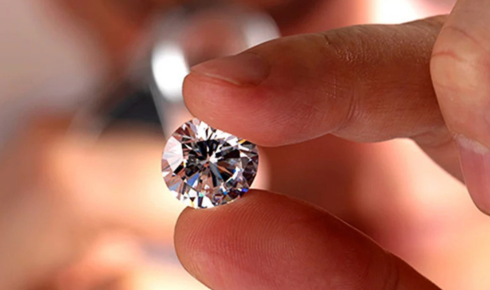
In recent years, the demand for ethical and eco-friendly alternatives in the jewelry industry has grown significantly. Among these, lab-grown diamonds have emerged as a popular choice for those seeking sustainable luxury. Couples shopping for engagement rings are increasingly turning to lab-grown diamonds not only for their beauty and quality but also for their positive environmental and social impact. Unlike traditional mined diamonds, which often involve extensive mining operations and environmental disruption, lab-grown diamonds are created in controlled environments that minimize ecological damage.
One of the primary reasons lab-grown diamonds are gaining popularity is their sustainability. Traditional diamond mining can cause significant ecological harm, including deforestation, soil erosion, and water pollution. Lab-grown diamonds, by contrast, are produced using advanced technological processes that require far less land and energy. This makes them a more responsible choice for environmentally conscious consumers who want to celebrate their love without contributing to environmental degradation. In addition, lab-grown diamonds typically have a smaller carbon footprint, making them an appealing option for couples who prioritize sustainability in every aspect of their lives.
Beyond their environmental advantages, lab-grown diamonds also offer ethical benefits. Conventional diamond mining has been associated with labor exploitation, unsafe working conditions, and conflict financing in certain regions. Lab-grown diamonds provide a transparent alternative, ensuring that the entire process from creation to sale is free from unethical practices. Buyers can enjoy the assurance that their purchase supports fair labor and avoids contributing to social conflicts. This ethical consideration is increasingly important for couples who want their engagement rings to reflect their values as well as their style.
From a design perspective, lab-grown diamonds are virtually identical to natural diamonds in every way that matters. They possess the same chemical, physical, and optical properties, offering the same brilliance, fire, and durability as mined diamonds. With modern technology, it is possible to produce diamonds of exceptional quality in a variety of cuts and sizes, making them suitable for any style of engagement rings. Furthermore, lab-grown diamonds are often more affordable than their mined counterparts, allowing couples to choose larger or higher-quality stones without exceeding their budget. This combination of luxury, affordability, and ethical responsibility makes lab-grown diamonds an increasingly attractive option.
The growing popularity of lab-grown diamonds also reflects a broader trend in consumer preferences toward sustainable luxury. Shoppers today are more informed and conscientious, seeking products that align with their values. By choosing lab-grown diamonds, individuals can enjoy the elegance and prestige associated with fine jewelry while also making a positive impact on the planet and society. This alignment of luxury with sustainability is not just a passing trend but represents a shift in how people view responsible consumption in the jewelry industry.
In conclusion, lab-grown diamonds provide a compelling combination of environmental sustainability, ethical integrity, and timeless beauty. For couples considering engagement rings, they offer a way to celebrate their commitment in a manner that reflects both personal values and modern sensibilities. The ability to enjoy a stunning, high-quality diamond without compromising on ethical or ecological principles makes lab-grown diamonds a top choice for those seeking sustainable luxury. As more consumers embrace conscious purchasing decisions, lab-grown diamonds are poised to redefine the standards of elegance and responsibility in the world of fine jewelry.
 Admin
Admin