





Job sites rarely fail because of the material itself; they slow down because of how that material arrives. Load size plays a quiet but decisive role in pricing, timing, access, and workflow for rock and dirt delivery near me. Understanding how load volume changes the entire delivery process helps projects stay efficient instead of expensive.
Larger Loads Lower Cost per Cubic Yard Delivered
Bigger loads typically reduce the cost per cubic yard because the delivery expense is spread across more material. Fuel, driver time, and truck wear stay relatively fixed whether the truck carries half a load or a full one. Ordering more gravel for sale or soil for sale at once often brings better value per yard. Another factor is dispatch efficiency. Fewer trips mean fewer scheduling gaps and less downtime between deliveries. Rock and dirt delivery companies can price larger loads more competitively because they maximize truck capacity while minimizing repeat travel.
Small Deliveries May Increase Overall Haul Charges
Smaller loads may look cheaper upfront, but they often raise the total project cost. Each trip still includes fuel, labor, and logistics, regardless of how little dirt for sale is on the truck. Multiple small deliveries quickly add up, especially for projects that underestimate material needs.
Short loads also limit route optimization. Rock delivery near me services may have to prioritize larger, more efficient routes first, leaving smaller jobs with longer wait times or higher fees. Planning volume carefully helps avoid those added costs.
Truck Size Limits What Can Fit on Tight Job Sites
Load size directly affects the truck required for delivery. Larger loads usually arrive on bigger trucks that need more turning space, stronger ground support, and wider access points. Tight residential streets or narrow driveways may restrict how much material can be delivered at once.
Smaller trucks offer better maneuverability. Dirt delivery near me for backyard projects or confined spaces often relies on partial loads to avoid property damage. Matching load size to site access prevents costly mistakes and delays.
Bigger Orders Require More Space for Onsite Unloading
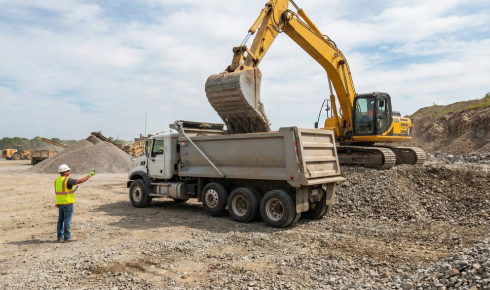
Large deliveries need clear, open areas for dumping. A full truck of rocks for sale or gravel for sale spreads fast and wide, and once unloaded, it cannot be easily repositioned without equipment. Limited space can cause material to block driveways, sidewalks, or work zones.
Planning drop locations becomes critical with bigger loads. Contractors often prepare graded pads or temporary barriers to control where the material lands. Without enough room, large loads can slow progress instead of speeding it up.
Load Size Impacts How Quickly Materials Are Dropped off
Smaller loads usually unload faster and with more precision. Drivers can place material closer to where it’s needed, which saves time during spreading or grading. This flexibility helps when timing is tight or multiple trades share the site.
Larger loads may take longer to position and unload safely. Rock and dirt delivery crews must ensure the truck remains stable and the material doesn’t spill beyond the intended area. The extra care adds minutes that matter on busy job sites.
Small Loads Give More Flexibility for Phased Projects
Phased projects benefit from smaller deliveries. Landscaping, drainage work, or home construction often progresses in stages, making it easier to order soil for sale or gravel for sale as each phase begins. This reduces leftover material and storage issues.
Smaller loads also allow adjustments. If conditions change or plans shift, the project isn’t locked into excess material. Dirt delivery near me in controlled amounts keeps projects adaptable and reduces waste.
Large Deliveries Reduce Repeat Trips from Supplier
Ordering in bulk minimizes repeat scheduling and interruptions. One large delivery can replace several smaller ones, reducing phone calls, delivery windows, and jobsite disruptions. This efficiency is especially useful for commercial or large residential projects.
Fewer trips also mean less traffic wear and less coordination effort. Rock and dirt delivery companies can focus on consistent service instead of repeated short runs, which benefits both the supplier and the customer.
Oversized Loads May Need Special Permits or Routing
Very large loads sometimes require special routing or permits, especially if weight limits or road restrictions apply. Oversized trucks may avoid certain bridges, residential streets, or peak traffic hours. These requirements can affect delivery timing and cost.
Understanding these limits early prevents surprises. Rock delivery near me providers often assess route constraints before confirming oversized orders, ensuring compliance while keeping schedules realistic. North Alabama Rock & Dirt supplies a wide range of aggregate materials, offering flexible load sizes, reliable scheduling, and delivery solutions designed for homeowners, landscapers, and contractors across residential and construction projects.
 Admin
Admin