Month: January 2026

  • Why Detention Equipment Contractors Are Involved Early in Facility Planning

    Why Detention Equipment Contractors Are Involved Early in Facility Planning

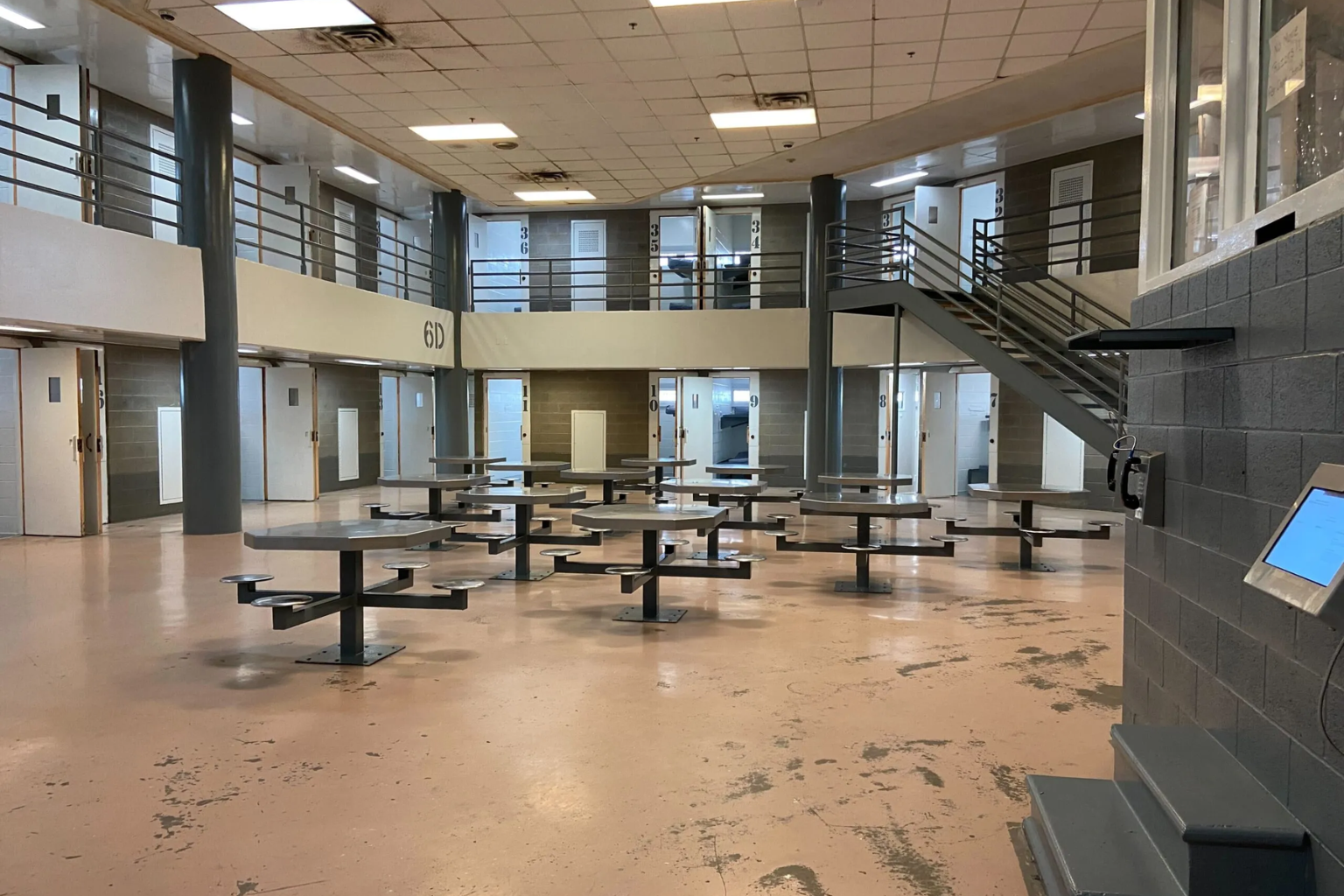
    Facility planning for secure environments starts long before concrete is poured or walls are framed. Early decisions shape how people move, how spaces are controlled, and how safety is maintained day after day. That is why detention equipment contractors are often brought in during the earliest planning stages rather than after drawings are complete.

    Security Layouts Must Match Real Movement and Control Needs

    Security layouts look efficient on paper, but real-world movement tells a different story. Staff circulation, inmate transport paths, and controlled access points must align with daily operations, not just architectural symmetry. Detention equipment contractors help ensure layouts support controlled movement without creating blind spots or bottlenecks. Operational flow also affects staffing efficiency. Poorly planned layouts increase response time and strain personnel. Early input from Cornerstone detention equipment contractors helps planners design spaces that reflect how facilities actually function under normal and emergency conditions.

    Door and Hardware Specs Affect Wall and Frame Planning

    Detention doors and frames are not standard architectural components. Their size, weight, and anchoring requirements directly impact wall construction and reinforcement. Early coordination prevents costly structural changes later in the project. Hardware selection also influences clearances and tolerances. Locking mechanisms, hinges, and frames require precise alignment. Cornerstone detention center doors are designed with these factors in mind, making early planning essential for proper installation.

    Sightline Planning Ties Directly to Equipment Placement

    Clear sightlines are fundamental to facility safety. Equipment placement can either enhance or obstruct visibility depending on how it is integrated into the layout. Early involvement ensures that doors, windows, and control points do not interfere with observation.

    Visibility impacts supervision and incident prevention. Contractors experienced in detention environments understand how equipment placement supports staff awareness. Cornerstone security detention equipment contractor expertise helps align physical security elements with line-of-sight requirements.

    Power and Control Paths Shape Early Construction Choices

    Modern detention facilities rely heavily on electronic controls. Power supplies, conduit routes, and control cabling must be planned before walls are closed. Equipment contractors provide guidance on routing needs that architects may not anticipate.

    Improper planning can lead to exposed conduit or inaccessible control paths. Early coordination ensures clean integration of systems that control doors, locks, and alarms. This foresight reduces rework and long-term maintenance issues.

    Safety Standards Guide Room Sizing and Traffic Flow

    Safety standards dictate minimum clearances, turning radii, and spacing around secure equipment. These requirements influence room dimensions and corridor widths early in design. Ignoring them can force redesigns once compliance reviews begin.

    Traffic flow also affects safety. Holding areas, intake rooms, and housing units must accommodate movement without congestion. Cornerstone prison supply manufacturers understand these standards and help align layouts with regulatory expectations.

    Locking Systems Influence Structural and Electrical Plans

    Locking systems are not interchangeable components. Mechanical, electro-mechanical, and fully electronic locks each have different installation needs. These choices affect wall depth, frame construction, and electrical infrastructure.

    Early selection of locking systems avoids mismatches between structure and equipment. Contractors guide teams through these decisions so structural and electrical plans support long-term reliability and security.

    Phased Builds Rely on Equipment Lead Times

    Many detention projects are built in phases to keep facilities operational. Equipment lead times play a major role in scheduling these phases. Early contractor involvement helps planners sequence construction realistically.

    Delays in door systems, control panels, or specialty hardware can stall entire phases. Modular jails and phased expansions benefit from early coordination that accounts for manufacturing and delivery timelines.

    Compliance Checks Prevent Costly Redesigns Later

    Detention facilities face strict review processes. Equipment must meet safety, security, and performance standards before approval. Early involvement allows contractors to identify compliance issues while changes are still inexpensive.

    Late-stage compliance failures can halt projects or force redesigns. Contractors familiar with detention regulations help ensure plans pass inspections without last-minute adjustments.

    Long-term Maintenance Access Is Planned from Day One

    Secure equipment requires ongoing maintenance. Access panels, service clearances, and component reachability must be built into the design. Early planning ensures technicians can service systems without disrupting operations.

    Poor access leads to higher maintenance costs and increased downtime. Contractors consider long-term upkeep during design, protecting the facility’s investment over its entire lifecycle.

    Early collaboration with experienced detention equipment professionals shapes facilities that function safely, efficiently, and sustainably. Cornerstone supports planning teams by providing technical insight, equipment coordination, and installation expertise that align security requirements with real-world operations from the very beginning.


  • What Cuts of Meat Are Most Common at Ribs Near Me Locations?

    What Cuts of Meat Are Most Common at Ribs Near Me Locations?

    Smoke rolling from a pit usually signals more than one type of meat cooking low and slow. BBQ menus are built around specific cuts chosen for how they handle heat, time, and seasoning. Understanding those cuts helps explain why ribs near me spots and BBQ restaurants near me often share similar staples while still offering distinct flavors and textures.

    Pork Ribs Cut from the Belly and Breastbone Area

    Spare ribs come from the lower portion of the rib cage near the belly and breastbone. This area carries more fat and connective tissue, which allows the meat to stay moist during long smoking sessions. The extra fat slowly renders, creating a rich texture that holds seasoning and smoke well. Because of their size, spare ribs take longer to cook than other rib cuts. BBQ in Huntsville AL often relies on steady heat and patience to break down the tougher fibers. The result is a fuller bite with deep flavor that many barbecue fans associate with classic rib plates.

    Baby Back Ribs Taken from the Upper Rib Section

    Baby back ribs are cut from higher on the rib cage near the spine. They are shorter, leaner, and more curved than spare ribs. This cut is known for tenderness and quicker cooking times, making it a popular option at BBQ restaurants near me.

    What sets baby backs apart is balance. The meat is firm yet easy to pull from the bone, especially when smoked properly. Ribs in Huntsville AL frequently feature this cut for diners who prefer a cleaner bite with less fat and a lighter finish.

    Beef Brisket Sliced from the Lower Chest

    Brisket comes from the lower chest of the cow, an area that supports a lot of weight. This makes it one of the tougher cuts before cooking. Slow smoking transforms brisket by breaking down dense muscle fibers into tender slices.

    Brisket requires careful temperature control and extended cook times. BBQ restaurants in Huntsville AL often treat it as a centerpiece meat, prized for its deep smoke ring and layered flavor. Proper slicing against the grain is just as important as the cook itself.

    Pulled Pork from Slow-smoked Shoulder Cuts

    Pulled pork is typically made from the pork shoulder, also called the butt or picnic cut. This area contains a mix of muscle, fat, and connective tissue that responds well to long smoking. As it cooks, the meat softens enough to be shredded by hand.

    What makes pulled pork versatile is its ability to absorb seasoning without losing moisture. BBQ near me menus often rely on this cut because it stays tender across a range of sauces and serving styles. It works equally well on sandwiches or plates.

    Smoked Chicken Quarters with Skin-on Pieces

    Chicken quarters include both the thigh and leg, offering dark meat with higher fat content than breasts. Keeping the skin on helps protect the meat during smoking while adding flavor and texture.

    Unlike ribs or brisket, chicken cooks faster but still benefits from careful heat management. BBQ in Huntsville AL often features smoked quarters for diners who want bold flavor without the heaviness of red meat. Proper seasoning under the skin makes a noticeable difference.

    Beef Short Ribs with Thick Meat Layers

    Beef short ribs are cut from the lower rib section and contain thick layers of meat between the bones. This cut is known for its richness and deep beef flavor. When smoked slowly, the meat becomes tender while maintaining structure.

    Short ribs require longer cooking times similar to brisket. BBQ restaurants near me use this cut for its hearty portion size and bold taste. The natural marbling helps keep the meat juicy even after hours in the smoker.

    Turkey Breast Smoked and Sliced Thin

    Turkey breast is a lean cut taken from the chest of the bird. Because it contains less fat, it requires careful smoking to avoid drying out. Brining is often used to help the meat retain moisture.

    When prepared well, smoked turkey offers a clean, mild flavor that pairs easily with BBQ sides. BBQ restaurants in Huntsville AL often include it as a lighter alternative to pork and beef. Thin slicing helps maintain tenderness and improves texture.

    Rib Tips Trimmed from Spare Rib Ends

    Rib tips come from the small sections trimmed off spare ribs during preparation. Though smaller and less uniform, they are packed with flavor due to their high fat and cartilage content. This makes them ideal for long smoking.

    Rib tips are often served chopped or in smaller portions. Ribs near me locations use them to reduce waste while offering a rich, smoky option. Their texture is softer and more indulgent, appealing to diners who enjoy bold BBQ flavors.

    Different cuts define the BBQ experience as much as seasoning or sauce. LawLers Barbecue brings classic meats together through careful selection, slow smoking, and attention to texture and flavor, giving guests a wide range of traditional BBQ options prepared with consistency and care.

  • Window Repairs Done for Foggy or Drafty Windows in Huntsville AL

    Window Repairs Done for Foggy or Drafty Windows in Huntsville AL

    A quiet room can quickly lose its comfort when windows start letting in cold air or turn cloudy without warning. Fog between panes and unexplained drafts often signal hidden issues that develop slowly over time. Understanding the specific repairs used to fix these problems helps homeowners know what actually restores clarity, insulation, and indoor comfort.

    Replacing Failed Insulated Glass Units with Clear, Sealed Panes

    Insulated glass units are designed to trap gas between panes to regulate temperature and reduce condensation. Once the internal seal fails, moisture sneaks in and creates the foggy appearance that never wipes away. Replacing the insulated glass unit restores visibility while keeping the original window frame intact, which is often more efficient than full replacement. Freshly sealed panes also bring back thermal performance that was lost when the seal broke down. Heat transfer slows, indoor temperatures stabilize, and energy use often drops. This type of repair is frequently recommended before considering window replacement in Huntsville AL, especially when frames are still structurally sound.

    Installing New Weatherstripping to Stop Cold Air Leaks

    Weatherstripping acts as a soft barrier between moving window parts and the frame. Over time, it flattens, cracks, or pulls loose, leaving narrow gaps where outdoor air slips through unnoticed. Replacing worn weatherstripping immediately reduces drafts that make rooms feel colder than the thermostat suggests.

    Different window styles require different weatherstripping materials, and proper sizing matters. A tight but flexible fit allows windows to open and close smoothly without sacrificing insulation. Many homeowners searching for window repair near me discover that new weatherstripping alone can solve persistent comfort issues.

    Adjusting Window Frames to Ensure Tight Closing Action

    Windows that appear closed may still have small alignment problems. Shifting foundations, temperature changes, or age can cause frames to settle unevenly. This misalignment prevents the sash from pressing evenly against the frame, allowing air to pass through.

    Frame adjustments correct the closing angle so the window seals evenly on all sides. This process often involves minor repositioning rather than structural changes. Once adjusted, windows close more securely, which improves insulation and reduces outside noise.

    Repairing or Replacing Worn out Sash Locks for Better Seal

    Sash locks do more than secure windows; they pull the sash tightly against the frame. When locks wear down or loosen, the window may rattle slightly, even when locked. That small movement creates openings for air infiltration.

    Replacing or repairing sash locks restores tension across the window. A firm lock improves both security and energy efficiency. This repair is especially helpful in older homes where original hardware has lost its strength.

    Adding New Glazing to Improve Insulation Performance

    Glazing refers to the compound that holds glass in place within the sash. Over time, glazing dries out, cracks, or pulls away from the glass. These gaps weaken insulation and may allow moisture intrusion.

    Fresh glazing seals the glass firmly and reinforces the window’s insulating layer. This repair also prevents minor glass movement that contributes to rattling and drafts. Proper glazing extends the life of existing windows without the need for immediate window installation in Huntsville AL.

    Fixing Warped Frames That Create Unwanted Airflow Gaps

    Wood and vinyl frames can warp due to prolonged exposure to moisture or temperature swings. Warping creates uneven surfaces where seals no longer make contact. These gaps are often difficult to see but easy to feel on cold days.

    Repairing warped frames may involve reshaping, reinforcing, or selectively replacing damaged sections. Once corrected, seals perform as intended, and airflow issues diminish. This repair addresses one of the most overlooked sources of persistent drafts.

    Re-sealing Perimeter Caulking to Block Outside Air Entry

    Perimeter caulking seals the space between the window frame and the wall. As caulk ages, it shrinks, cracks, or separates, leaving narrow channels for air and moisture. These openings often go unnoticed until temperature differences become obvious. Removing old caulk and applying new sealant restores the exterior barrier around the window. Proper sealing also protects against water intrusion that can damage surrounding materials. This repair is a common first step before considering window replacement in Huntsville AL.

    Rebalancing or Tightening Hardware to Prevent Drafts

    Window hardware controls how smoothly sashes move and how firmly they stay in position. Loose or worn components allow windows to sag slightly, even when closed. That sagging disrupts the seal and creates drafts. Rebalancing springs or tightening hardware restores proper alignment and pressure. This adjustment improves both function and comfort. Many draft complaints are resolved through hardware correction rather than glass replacement.

    Swapping out Old Seals to Eliminate Fog Between Panes

    Seals around glass panes prevent moisture from entering the insulated space. Once those seals degrade, fog forms and spreads over time. Replacing old seals removes trapped moisture and prevents further condensation buildup.

    New seals restore the insulating barrier without replacing the entire window. Clear glass returns, and indoor humidity levels become easier to manage. This targeted repair often delays the need for full window installation in Huntsville AL.

    For homeowners dealing with foggy or drafty windows, professional evaluation makes a measurable difference. Huntsville Glass can identify whether repairs, resealing, or component replacement will restore comfort and clarity, offering solutions that match the condition of each window rather than defaulting to unnecessary replacements.

  • Repair Methods Used by Experienced Foundation Repair Contractors

    Repair Methods Used by Experienced Foundation Repair Contractors

    Subtle changes in a home often point to deeper structural issues long before visible damage appears. Hairline cracks, uneven floors, or doors that no longer close smoothly can signal shifting forces below the surface. Understanding how experienced professionals address these problems helps property owners recognize why proper repair methods matter.

    Installing Steel Piers to Lift and Stabilize Sinking Areas

    Steel piers are commonly used when sections of a foundation begin to sink due to weak or compressible soil. These piers are driven deep into stable ground layers until they reach soil capable of bearing the structure’s weight. Once anchored, controlled lifting brings the affected area back toward its original position, restoring balance to the structure above. Beyond lifting, steel piers provide long-term stability because they bypass problematic surface soils entirely. This method is often chosen by foundation repair contractors for homes showing ongoing settlement or repeated cracking. Homeowners searching for foundation repair near me often encounter this solution when permanent correction is needed rather than surface-level fixes.

    Using Helical Piers for Deep Soil Support Beneath Foundations

    Helical piers work differently from steel push piers, relying on screw-like blades to anchor into load-bearing soil. These blades allow the pier to be installed with precision, making them useful where soil conditions vary or access is limited. Their design distributes weight evenly, reducing stress on any single point beneath the foundation. Installation causes minimal disturbance to surrounding soil, which makes helical piers suitable for residential and light commercial properties. A foundation specialist near me may recommend this method when structures require immediate stabilization without heavy excavation. Over time, the piers resist movement and help prevent future settling.

    Injecting Grout to Fill Voids and Raise Settled Slabs

    Grout injection addresses voids that form beneath concrete slabs due to soil erosion or compaction loss. A specialized mixture is pumped through small holes, filling empty spaces and gently lifting the slab. This approach restores support without removing or replacing existing concrete. The effectiveness of grout depends on accurate assessment of soil conditions and void size. Skilled foundation repair contractors monitor pressure closely to avoid uneven lifting. This method is often selected for sidewalks, driveways, and interior slabs where traditional pier systems are unnecessary.

    Placing Wall Anchors to Correct Bowing Foundation Walls

    Bowing walls usually result from prolonged soil pressure pressing inward against foundation walls. Wall anchors counter this force by extending from the interior wall through the soil to an exterior anchor plate. Once tightened, the system gradually pulls the wall back toward a stable position. Over time, adjustments can continue as soil conditions change. This gradual correction reduces the risk of sudden structural stress. Property owners seeking foundation crack repair near me often learn that wall anchors prevent cracks from widening by addressing the pressure causing the damage in the first place.

    Adding Carbon Fiber Straps for Long-term Wall Reinforcement

    Carbon fiber straps offer reinforcement without altering the wall’s footprint. These high-strength materials bond directly to foundation walls, adding resistance against inward movement. Unlike steel beams, they do not require excavation or reduce interior space. Their strength lies in their ability to distribute tension across the wall surface. Carbon fiber solutions are often chosen when walls show early signs of movement but have not yet shifted significantly. This approach provides reinforcement while maintaining the structure’s original appearance.

    Regrading Soil to Move Water Away from Foundation Edges

    Water is one of the most common contributors to foundation damage. Regrading soil adjusts the slope around a structure so water flows away rather than pooling near foundation edges. Proper grading reduces hydrostatic pressure that leads to cracking and wall movement. This method is preventive as much as corrective. Foundation repair contractors often include soil grading as part of a larger repair plan to protect completed structural work. Addressing drainage issues early can reduce the likelihood of needing extensive repairs later.

    Sealing Cracks to Prevent Moisture from Entering Walls

    Crack sealing focuses on blocking moisture intrusion that can weaken foundation materials over time. Specialized sealants penetrate cracks and expand, forming a durable barrier against water. This prevents freeze-thaw cycles from enlarging existing damage.

    While sealing does not correct structural movement, it plays a key role in preserving foundation integrity. Many homeowners searching for foundation repair near me begin with crack repairs before larger issues develop. Proper sealing slows deterioration and supports long-term stability.

    Replacing Damaged Footings to Restore Structural Support

    Footings transfer a structure’s weight to the soil below, and damage to them compromises the entire foundation system. Replacement involves carefully removing weakened sections and installing new concrete footings designed to meet current load requirements. This process restores proper load distribution.

    Footing replacement is typically reserved for severe cases where other methods cannot provide adequate support. A foundation specialist near me may recommend this approach after thorough inspection reveals widespread deterioration. Although complex, it ensures the structure rests on a solid, dependable base.

    Experienced assessment and proper repair selection determine whether foundation issues remain manageable or escalate into major structural concerns. Kennedy and Sons is recognized for applying repair methods that are based on careful evaluation rather than one-size-fits-all fixes. They deliver foundation solutions that are dependable, structurally sound, and designed to protect homes from further movement or deterioration.

  • How Does Load Size Affect Rock and Dirt Delivery Near Me?

    How Does Load Size Affect Rock and Dirt Delivery Near Me?

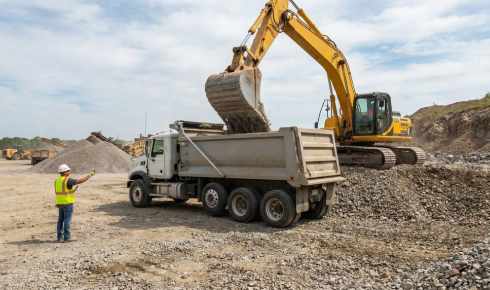
    Job sites rarely fail because of the material itself; they slow down because of how that material arrives. Load size plays a quiet but decisive role in pricing, timing, access, and workflow for rock and dirt delivery near me. Understanding how load volume changes the entire delivery process helps projects stay efficient instead of expensive.

    Larger Loads Lower Cost per Cubic Yard Delivered

    Bigger loads typically reduce the cost per cubic yard because the delivery expense is spread across more material. Fuel, driver time, and truck wear stay relatively fixed whether the truck carries half a load or a full one. Ordering more gravel for sale or soil for sale at once often brings better value per yard. Another factor is dispatch efficiency. Fewer trips mean fewer scheduling gaps and less downtime between deliveries. Rock and dirt delivery companies can price larger loads more competitively because they maximize truck capacity while minimizing repeat travel.

    Small Deliveries May Increase Overall Haul Charges

    Smaller loads may look cheaper upfront, but they often raise the total project cost. Each trip still includes fuel, labor, and logistics, regardless of how little dirt for sale is on the truck. Multiple small deliveries quickly add up, especially for projects that underestimate material needs.

    Short loads also limit route optimization. Rock delivery near me services may have to prioritize larger, more efficient routes first, leaving smaller jobs with longer wait times or higher fees. Planning volume carefully helps avoid those added costs.

    Truck Size Limits What Can Fit on Tight Job Sites

    Load size directly affects the truck required for delivery. Larger loads usually arrive on bigger trucks that need more turning space, stronger ground support, and wider access points. Tight residential streets or narrow driveways may restrict how much material can be delivered at once.

    Smaller trucks offer better maneuverability. Dirt delivery near me for backyard projects or confined spaces often relies on partial loads to avoid property damage. Matching load size to site access prevents costly mistakes and delays.

    Bigger Orders Require More Space for Onsite Unloading

    Large deliveries need clear, open areas for dumping. A full truck of rocks for sale or gravel for sale spreads fast and wide, and once unloaded, it cannot be easily repositioned without equipment. Limited space can cause material to block driveways, sidewalks, or work zones.

    Planning drop locations becomes critical with bigger loads. Contractors often prepare graded pads or temporary barriers to control where the material lands. Without enough room, large loads can slow progress instead of speeding it up.

    Load Size Impacts How Quickly Materials Are Dropped off

    Smaller loads usually unload faster and with more precision. Drivers can place material closer to where it’s needed, which saves time during spreading or grading. This flexibility helps when timing is tight or multiple trades share the site.

    Larger loads may take longer to position and unload safely. Rock and dirt delivery crews must ensure the truck remains stable and the material doesn’t spill beyond the intended area. The extra care adds minutes that matter on busy job sites.

    Small Loads Give More Flexibility for Phased Projects

    Phased projects benefit from smaller deliveries. Landscaping, drainage work, or home construction often progresses in stages, making it easier to order soil for sale or gravel for sale as each phase begins. This reduces leftover material and storage issues.

    Smaller loads also allow adjustments. If conditions change or plans shift, the project isn’t locked into excess material. Dirt delivery near me in controlled amounts keeps projects adaptable and reduces waste.

    Large Deliveries Reduce Repeat Trips from Supplier

    Ordering in bulk minimizes repeat scheduling and interruptions. One large delivery can replace several smaller ones, reducing phone calls, delivery windows, and jobsite disruptions. This efficiency is especially useful for commercial or large residential projects.

    Fewer trips also mean less traffic wear and less coordination effort. Rock and dirt delivery companies can focus on consistent service instead of repeated short runs, which benefits both the supplier and the customer.

    Oversized Loads May Need Special Permits or Routing

    Very large loads sometimes require special routing or permits, especially if weight limits or road restrictions apply. Oversized trucks may avoid certain bridges, residential streets, or peak traffic hours. These requirements can affect delivery timing and cost.

    Understanding these limits early prevents surprises. Rock delivery near me providers often assess route constraints before confirming oversized orders, ensuring compliance while keeping schedules realistic. North Alabama Rock & Dirt supplies a wide range of aggregate materials, offering flexible load sizes, reliable scheduling, and delivery solutions designed for homeowners, landscapers, and contractors across residential and construction projects.

  • What Landscaping Issues Can Be Traced Back to Failing Septic Tanks?

    What Landscaping Issues Can Be Traced Back to Failing Septic Tanks?

    Unexpected yard changes often raise questions long before anyone suspects an underground problem. Septic tanks can influence soil, plants, and drainage patterns quietly until the signs become too noticeable to ignore. Many outdoor concerns that homeowners attribute to normal weather or aging lawns actually point to septic tank pumping needs that have been delayed for too long.

    Soggy, Waterlogged Patches Forming Above the Drain Field

    Wet, marshy areas appearing during dry weather usually indicate the drain field can no longer process wastewater correctly. As septic tanks overflow, untreated water rises to the surface and saturates the topsoil. Homeowners who have struggled with repetitive muddy spots often find that the real issue begins deep beneath the lawn. Over time, the ground becomes spongy and unstable. Septic tank pumping in Huntsville AL helps relieve overloaded systems, but the longer wastewater continues to seep upward, the more compacted and damaged the soil becomes. This often requires both septic tank cleaning and landscape restoration to correct.

    Foul Sewage Odors Lingering Around Lawn and Garden Areas

    A strong sewage smell outdoors almost always indicates a septic issue. As tanks reach capacity, gases escape through the soil instead of staying contained underground. Landscaping projects cannot mask these odors because the source is biological, not cosmetic.

    Once these odors appear, nearby vegetation may also be affected. Prolonged exposure to escaping gases interferes with plant respiration and root health. Timely septic tank pumping helps stop the release of these smells and protects nearby greenery from further stress.

    Sinkholes or Depressions near the Septic Tank or Field Lines

    Sinking soil forms when underground components begin to collapse. Septic tanks, especially older concrete or steel models, can deteriorate over time. Field lines may also break down, creating hollow areas beneath the surface that eventually cave in.

    These depressions can become safety hazards. Septic tanks under strain need urgent attention before the soil collapses further or wastewater escapes. Repairing landscape damage requires stabilizing the system first, otherwise sinkholes will reappear regardless of surface fixes.

    Slow-draining or Backed-up Outdoor Drains

    Outdoor drain systems, such as garage trench drains or patio drains, often slow down as septic components struggle to keep up with household wastewater output. Overloaded tanks cause water to move backward through connected lines.

    This clog-like behavior creates water pooling in unwanted areas. Clearing surface drains won’t fix the problem because the blockage is not in the drain itself but in the septic system. Septic tank cleaning restores flow, bringing outdoor drainage back to normal.

    Green Algae Growth in Nearby Ponds or Low Spots

    Algae blooms indicate nutrient-rich wastewater is entering natural or man-made ponds. Failing septic systems release nitrogen and phosphorus that accelerate algae growth. Even low, quiet areas of a yard can collect this runoff.

    The impact goes beyond appearance. Excess nutrients change soil chemistry and can harm beneficial plant species. Septic tank pumping helps stop nutrient runoff, giving landscapes and nearby water features a chance to recover.

    Wilting Plants near Wet Areas Due to Root Damage

    Plants growing near consistent wet spots often wilt despite having plenty of water. This happens because wastewater reduces oxygen availability in the soil, suffocating roots. Septic tanks that fail to filter properly turn once-healthy planting beds into stressful growing environments.

    Root rot becomes common in these locations. Even hardy shrubs may show yellowing, thinning foliage. Fixing the septic issue is the only way to save these plants; replacing them without addressing the underlying moisture problem leads to repeated failures.

    Standing Water After Light Rain Events

    Lawns that hold water briefly after a storm are normal, but consistent pooling after mild rain suggests saturation from below. Drain fields clogged with solids allow water to sit on the surface because the soil cannot absorb more moisture.

    This can damage patios, walkways, and nearby structures over time. Septic tank pumping relieves oversaturation, helping the soil absorb and release water the way it should. Without it, even small storms will create long-lasting puddles.

    Soil That Feels Warm and Spongy Underfoot near Septic Lines

    Warm soil patches may indicate wastewater movement beneath the surface. Organic breakdown inside septic tanks generates heat that escapes into the surrounding ground when the system malfunctions. This warmth paired with sponginess signals wastewater is rising too close to the surface.

    These areas often become breeding grounds for insects due to constant moisture. Addressing the septic issue through proper pumping or repair will stabilize the soil and restore healthy ground temperatures. Cora Landscape offers septic tank pumping, cleaning, and landscape repair services to restore lawn health after septic system failures.

  • What Should Renters Review Before Signing a Lease for Townhomes for Rent Near Me?

    What Should Renters Review Before Signing a Lease for Townhomes for Rent Near Me?

    Taking the next step toward renting often brings excitement, but it also comes with details worth slowing down for. Townhomes near me vary from community to community, and the lease sets the tone for how comfortable your living experience will be. Understanding what the agreement actually says helps renters make confident decisions—especially in popular areas like townhomes in Huntsville AL where demand can move quickly.

    Go Beyond the Monthly Rent to Understand All Associated Costs

    Many renters focus on the listed price but overlook the fees that may appear later. Beyond the monthly amount, leases often include charges for trash service, parking, pest control, package lockers, or optional amenities. Huntsville townhomes near me sometimes bundle these costs into a single community fee, while others itemize each one separately.

    Understanding the entire cost picture prevents surprises. Renters comparing townhomes for rent near me should calculate the full monthly total rather than the base rent alone, especially if they are also considering long-term options like Huntsville townhomes for sale or townhomes for sale nearby. This helps determine which community truly fits your budget.

    Know the Terms for Your Deposit’s Return

    Security deposits protect the property owner, but renters should know exactly what conditions allow for a full refund. Many leases describe cleaning expectations, repair deductions, or carpet and paint requirements. Clear instructions help tenants avoid misunderstandings at move-out.

    Standards vary by location. Huntsville townhomes often outline inspection procedures and timelines for returning the deposit. Reviewing these sections carefully ensures renters understand what normal wear-and-tear means and what responsibilities fall on them.

    Clarify Which Utilities Are Included in the Rent and Which You Must Set up and Pay for Separately

    Utility responsibilities can differ widely among townhome apartments near me. Some communities cover water, trash, or lawn care, while others leave everything to the tenant. The lease should specify which utilities you must activate and keep in your name.

    This information matters for planning. Renters comparing townhomes for sale, buy townhouse near me options, or rental units benefit from knowing the true monthly cost including utilities. A unit with slightly higher rent but included utilities may still be the better value.

    Check Restrictions on Pet Type, Size, or Breed, Additional Pet Deposits or Specific Community Rules

    Pet rules are often more detailed than renters expect. Leases may specify weight limits, breed restrictions, vaccination records, or even how many pets are allowed. Some townhomes near me require separate deposits and monthly pet fees.

    Familiarity with these policies prevents issues later. Many townhomes in Huntsville AL maintain strict guidelines due to shared walls, landscaping concerns, or community noise expectations. Reviewing all pet-related terms helps renters avoid unexpected charges or violations.

    The Lease Should Specify Who Is Authorized to Live in the Unit and the Rules for Guests

    A lease usually lists every adult who will reside in the unit. Unauthorized occupants can violate the agreement, so this section is important. Some communities set limits on how long guests may stay before they must be added to the lease.

    Guest rules can impact renters in subtle ways. Short-term visitors, extended stays, and security protocols vary widely across Huntsville townhomes near me. Understanding these boundaries ensures everyone who stays in your home does so within community guidelines.

    Understand the Start and End Dates of Your Tenancy and the Consequences If You Need to Leave Early

    Your lease term should be clearly outlined, including the exact move-in and move-out dates. If life changes require an early departure, penalties may include buyout fees or responsibility for rent until the unit is re-leased. These details influence financial planning.

    Lease timing also affects future decisions. Renters comparing townhomes for sale near me or considering a move into Huntsville townhomes for sale later may need flexibility. Knowing the renewal notice period and potential fees for breaking the agreement helps renters avoid high unexpected costs.

    Renewal Terms and How Rent Increases Are Handled

    Communities differ on how they manage renewals. Some automatically renew at a new rate unless the tenant gives notice, while others require a signed renewal offer. Renters should check how early they will be notified of a rent increase and whether the amount varies based on lease length.

    Understanding renewal terms allows renters to prepare for future costs. Huntsville townhomes near me often adjust rent based on market demand or upgrades to the property. Reviewing this section ensures tenants know what to expect once the initial term ends.

    For renters comparing options in the area, it helps to choose a community that prioritizes clarity and comfort. The Enclave offers well-structured leases, modern amenities, and a rental experience built around transparency and convenience, supporting renters throughout every stage of their lease journey.

  • Key Factors That Influence Pricing at Farm Equipment Auctions

    Key Factors That Influence Pricing at Farm Equipment Auctions

    Buyers and sellers often notice that pricing at farm equipment auctions shifts from one event to the next, and those changes are rarely random. Each auction brings its own combination of market behavior, bidder activity, and equipment availability that shapes where final bids land. Understanding these forces helps both sides predict how the market will move and what may influence results at a Huntsville auction house or any auction house in Alabama.

    Current Supply Levels of Similar Machinery Affecting Competitive Pricing

    Supply conditions shape auction behavior from the moment the catalog is released. If an auction features a long list of similar tractors, balers, or sprayers, bidders quickly realize that they have multiple options. The increased supply reduces pressure to bid aggressively because buyers can wait for a comparable model later in the sale.

    On the other hand, limited supply encourages direct competition. Scarcity pushes interested bidders to act more decisively, especially at farm equipment auctions that feature machinery not often seen in their region. Auctions with fewer comparable items often see stronger finishes because buyers understand they may not find another suitable piece in the near future.

    Local and National Market Trends Shaping What Buyers Will Pay

    Pricing trends across the agricultural industry influence bidder behavior long before paddle numbers are assigned. Shifts in commodity prices, fuel costs, and labor availability often affect how farmers spend on large equipment. Buyers pay attention to both local demand and nationwide conditions before determining how high they are willing to go. Bidder expectations also rise or fall based on how used machinery performs in national listings. If equipment values strengthen across the country, auctions tend to follow that pattern. Heavy equipment auctions mirror broader economic movements, meaning final bids at a local event often reflect a bigger picture than the immediate crowd may realize.

    Number of Active Bidders Present Raising or Lowering Final Bids

    Bidding energy increases naturally when more participants join the sale. A large group of motivated buyers raises the chances of competitive bidding, which often drives prices toward the higher end of market value. Auctions with strong turnout typically see quick bidding increments and fewer pauses during the sale.

    A quieter room changes the dynamic entirely. With fewer active buyers, the auctioneer may need to work harder to sustain momentum, and equipment can settle at lower values simply due to a lack of bidding rivalry. Those who attend an auction house near me have often seen firsthand how the presence—or absence—of bidder competition impacts pricing outcomes.

    Auction Timing and Seasonality Impacting Demand and Prices

    Timing determines how ready buyers are to invest. Sales held just before planting seasons or just ahead of harvest draw farmers looking to fill immediate equipment needs. These seasonal windows increase urgency, often raising prices beyond what might occur during slower parts of the year.

    Auctions scheduled during off-peak months can produce a different pattern. Buyers may participate more cautiously if they do not need equipment until the following season. For sellers, understanding seasonality helps determine the ideal moment to list machinery for stronger buyer engagement.

    Retail Used-equipment Values Serving As Benchmarks for Auction Pricing

    Retail listings set expectations for how farms value used machinery overall. Buyers often research dealer prices before attending farm equipment auctions to understand the upper end of the pricing range. Auction values usually fall beneath retail, but the gap narrows for well-maintained units with strong service records.

    Market benchmarks help bidders recognize fair value and avoid overpaying during fast-paced bidding. Retail comparisons also influence sellers, who assess whether their equipment is likely to attract competitive attention. Prices at a Huntsville auction house frequently align with regional retail trends, especially for high-demand machines.

    Equipment Utility and Relevance to Local Alabama Farming Needs

    Not all equipment holds equal value in every region. Machinery suited for Alabama soil conditions, crop types, and farm operations consistently performs better at auction. Items that address local needs—such as hay balers, compact tractors, or row-crop implements—often receive stronger bidder interest. Equipment that does not match Alabama farming demands may attract lower bids, even if it carries strong value elsewhere. Buyer familiarity also affects price; machinery that local farmers know how to maintain and operate tends to sell faster. This regional suitability becomes a major influence in how auction house in Alabama events unfold.

    Starting Bid and Reserve Price Levels Shaping How Bidding Unfolds

    Starting bids set the tone for how quickly bidders engage. A reasonable opening number encourages immediate participation, allowing the auctioneer to build momentum while keeping buyers confident. If the opening bid is perceived as fair, the crowd usually responds with more consistent bidding.

    Reserve prices influence the final stages of the auction. Low reserves attract early interest, while high reserves slow the process and may discourage bidders from continuing. Auction strategy plays a major role in creating an environment where both the seller and buyers feel the auction is progressing at a fair pace. Sellers who want a structured and competitive sale can rely on Alabama Auction House for effective setup, listing strategy, and result-driven auction execution.

  • What Should I Ask Concrete Contractors Near Me Before Installing a New Driveway?

    What Should I Ask Concrete Contractors Near Me Before Installing a New Driveway?

    A new driveway reshapes the look and function of the entire property, so asking the right questions before the concrete is poured makes a real difference. People often focus on the finished surface but overlook the steps that determine long-term strength and durability. Talking through project details with concrete contractors helps ensure expectations match the work being delivered.

    Expected Timeline from Start to Finished Driveway

    Asking about the project timeline helps set clear expectations from the start. Concrete contractors near me usually follow a structured schedule that includes demolition or removal of the old surface, site preparation, forming, pouring, and curing. Each phase depends on weather, crew size, and the amount of work required to prepare the space for installation. Different contractors may provide different estimates, so understanding why schedules vary is important. Factors such as soil moisture, workload, or required inspections can add days to the process. Concrete contractors in Huntsville AL often explain how climate impacts curing time, which helps homeowners understand why projects may not follow a one-size-fits-all timeline.

    Types of Concrete Mixes Recommended for Our Climate

    Concrete companies near me often work with several mix designs, each tailored for durability, temperature range, and load requirements. Asking about which mix suits the region helps prevent cracking or premature wear—especially in areas with significant temperature fluctuations. The right mix often includes additives that increase strength or improve setting times.

    Different climates call for different performance characteristics. For example, a mix that handles freeze-thaw cycles well might not perform the same in consistently warm climates. Concrete companies typically recommend blends based on soil conditions, drainage, and expected weight loads, ensuring the driveway ages well with minimal upkeep or concrete repair near me.

    Whether Excavation and Grading Are Included in the Quote

    Before pouring any concrete, the ground beneath must be properly shaped. Excavation and grading determine how the driveway drains water and resists shifting. Asking whether these steps are included in the quote helps avoid surprise charges and ensures that the driveway has a stable foundation.

    Contractors may approach grading differently based on equipment or soil knowledge. Some residential concrete contractors near me include gravel base installation, while others treat it as an add-on service. Understanding what’s included helps prevent confusion and ensures the final price reflects the full scope of the work.

    What Warranty or Guarantee Comes with the Work

    A warranty shows confidence in craftsmanship. Concrete contractors should be willing to explain what their warranty covers—whether structural issues, surface cracking, or workmanship defects. A driveway is a long-term investment, so knowing how problems will be handled brings peace of mind.

    Warranties vary widely between cement contractors near me. Some offer coverage for one year, while others provide multi-year protection if certain maintenance standards are met. Asking questions about exclusions, repair procedures, and coverage limits helps clarify what protection comes with the project.

    Past Project References or Examples Nearby

    Seeing previous work gives a clear picture of quality. Concrete companies often have a portfolio of driveways completed in nearby neighborhoods, showcasing different finishes, shapes, and project complexities. Viewing these examples helps gauge consistency and craftsmanship.

    Some contractors may even provide addresses of past installations so homeowners can see how the concrete aged over time. Fresh concrete looks similar across contractors, but older surfaces reveal the true quality of the mix, reinforcement, and installation practices. References also provide insights from real clients about communication, reliability, and overall satisfaction.

    How Reinforcement like Rebar or Mesh Will Be Used

    Reinforcement plays a major role in preventing cracks and increasing driveway lifespan. Concrete contractors near me may use rebar, welded wire mesh, or fiber additives depending on the soil and expected vehicle weight. Asking about reinforcement ensures the project includes structural measures that match the demands of the property.

    Each reinforcement method supports concrete differently. Rebar strengthens specific areas, while mesh provides uniform support across the slab. Contractors also decide reinforcement spacing and placement based on driveway thickness and the expected load. Understanding these details helps homeowners appreciate how reinforcement enhances the driveway’s long-term durability.

    Cleanup and Disposal Plans After Installation

    Cleanup often gets overlooked in early conversations, but it matters once the project is complete. Concrete contractors Huntsville AL may include disposal of old materials, form removal, and final surface washing in their service. Asking about these steps ensures the property is left clean and usable.

    Different contractors may handle cleanup differently. Some remove all debris and excess concrete, while others expect homeowners to manage disposal themselves. Clarifying this ahead of time prevents unexpected responsibilities after the work is finished and ensures the driveway area is ready for use as soon as the surface cures.

    Payment Schedule and Any Upfront Deposit Requirements

    Understanding the payment structure avoids confusion later. Concrete companies near me typically request a deposit to secure materials and schedule, followed by staged payments as the project progresses. Asking about payment timing helps confirm transparency and trust. Deposit requirements vary based on project size and material cost. Some residential concrete contractors near me use milestone billing, while others prefer partial payment upon completion. Clarifying expectations ensures both parties stay aligned and helps homeowners budget confidently. Legacy Outdoor Services offers professional concrete installation and guidance throughout each phase of the project.