





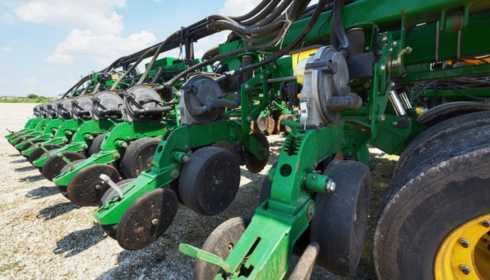
Buyers and sellers often notice that pricing at farm equipment auctions shifts from one event to the next, and those changes are rarely random. Each auction brings its own combination of market behavior, bidder activity, and equipment availability that shapes where final bids land. Understanding these forces helps both sides predict how the market will move and what may influence results at a Huntsville auction house or any auction house in Alabama.
Current Supply Levels of Similar Machinery Affecting Competitive Pricing
Supply conditions shape auction behavior from the moment the catalog is released. If an auction features a long list of similar tractors, balers, or sprayers, bidders quickly realize that they have multiple options. The increased supply reduces pressure to bid aggressively because buyers can wait for a comparable model later in the sale.
On the other hand, limited supply encourages direct competition. Scarcity pushes interested bidders to act more decisively, especially at farm equipment auctions that feature machinery not often seen in their region. Auctions with fewer comparable items often see stronger finishes because buyers understand they may not find another suitable piece in the near future.
Local and National Market Trends Shaping What Buyers Will Pay
Pricing trends across the agricultural industry influence bidder behavior long before paddle numbers are assigned. Shifts in commodity prices, fuel costs, and labor availability often affect how farmers spend on large equipment. Buyers pay attention to both local demand and nationwide conditions before determining how high they are willing to go. Bidder expectations also rise or fall based on how used machinery performs in national listings. If equipment values strengthen across the country, auctions tend to follow that pattern. Heavy equipment auctions mirror broader economic movements, meaning final bids at a local event often reflect a bigger picture than the immediate crowd may realize.
Number of Active Bidders Present Raising or Lowering Final Bids
Bidding energy increases naturally when more participants join the sale. A large group of motivated buyers raises the chances of competitive bidding, which often drives prices toward the higher end of market value. Auctions with strong turnout typically see quick bidding increments and fewer pauses during the sale.
A quieter room changes the dynamic entirely. With fewer active buyers, the auctioneer may need to work harder to sustain momentum, and equipment can settle at lower values simply due to a lack of bidding rivalry. Those who attend an auction house near me have often seen firsthand how the presence—or absence—of bidder competition impacts pricing outcomes.
Auction Timing and Seasonality Impacting Demand and Prices
Timing determines how ready buyers are to invest. Sales held just before planting seasons or just ahead of harvest draw farmers looking to fill immediate equipment needs. These seasonal windows increase urgency, often raising prices beyond what might occur during slower parts of the year.
Auctions scheduled during off-peak months can produce a different pattern. Buyers may participate more cautiously if they do not need equipment until the following season. For sellers, understanding seasonality helps determine the ideal moment to list machinery for stronger buyer engagement.
Retail Used-equipment Values Serving As Benchmarks for Auction Pricing
Retail listings set expectations for how farms value used machinery overall. Buyers often research dealer prices before attending farm equipment auctions to understand the upper end of the pricing range. Auction values usually fall beneath retail, but the gap narrows for well-maintained units with strong service records.
Market benchmarks help bidders recognize fair value and avoid overpaying during fast-paced bidding. Retail comparisons also influence sellers, who assess whether their equipment is likely to attract competitive attention. Prices at a Huntsville auction house frequently align with regional retail trends, especially for high-demand machines.
Equipment Utility and Relevance to Local Alabama Farming Needs
Not all equipment holds equal value in every region. Machinery suited for Alabama soil conditions, crop types, and farm operations consistently performs better at auction. Items that address local needs—such as hay balers, compact tractors, or row-crop implements—often receive stronger bidder interest. Equipment that does not match Alabama farming demands may attract lower bids, even if it carries strong value elsewhere. Buyer familiarity also affects price; machinery that local farmers know how to maintain and operate tends to sell faster. This regional suitability becomes a major influence in how auction house in Alabama events unfold.
Starting Bid and Reserve Price Levels Shaping How Bidding Unfolds
Starting bids set the tone for how quickly bidders engage. A reasonable opening number encourages immediate participation, allowing the auctioneer to build momentum while keeping buyers confident. If the opening bid is perceived as fair, the crowd usually responds with more consistent bidding.
Reserve prices influence the final stages of the auction. Low reserves attract early interest, while high reserves slow the process and may discourage bidders from continuing. Auction strategy plays a major role in creating an environment where both the seller and buyers feel the auction is progressing at a fair pace. Sellers who want a structured and competitive sale can rely on Alabama Auction House for effective setup, listing strategy, and result-driven auction execution.
 Admin
Admin