




Facility planning for secure environments starts long before concrete is poured or walls are framed. Early decisions shape how people move, how spaces are controlled, and how safety is maintained day after day. That is why detention equipment contractors are often brought in during the earliest planning stages rather than after drawings are complete.
Security Layouts Must Match Real Movement and Control Needs
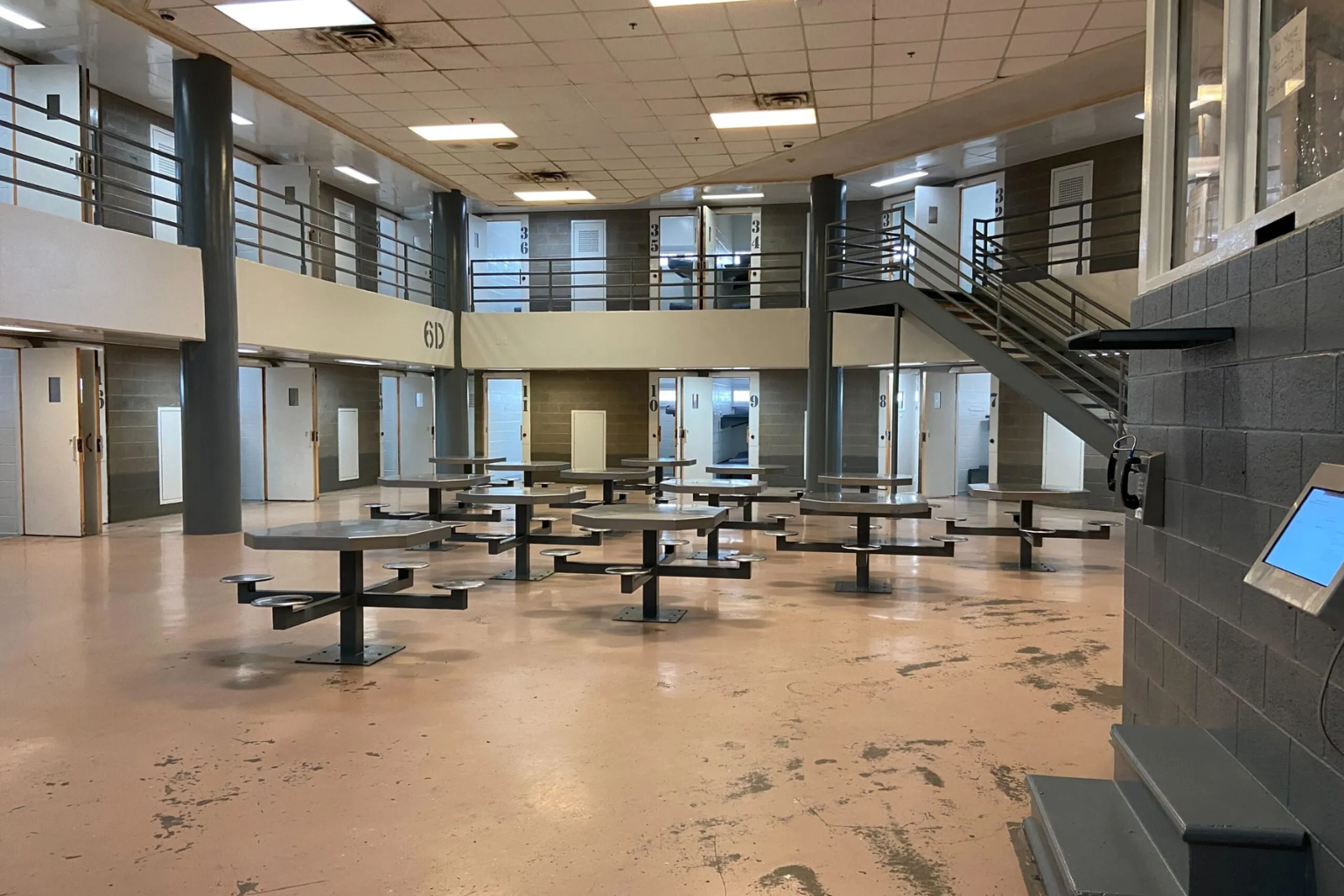
Security layouts look efficient on paper, but real-world movement tells a different story. Staff circulation, inmate transport paths, and controlled access points must align with daily operations, not just architectural symmetry. Detention equipment contractors help ensure layouts support controlled movement without creating blind spots or bottlenecks. Operational flow also affects staffing efficiency. Poorly planned layouts increase response time and strain personnel. Early input from Cornerstone detention equipment contractors helps planners design spaces that reflect how facilities actually function under normal and emergency conditions.
Door and Hardware Specs Affect Wall and Frame Planning
Detention doors and frames are not standard architectural components. Their size, weight, and anchoring requirements directly impact wall construction and reinforcement. Early coordination prevents costly structural changes later in the project. Hardware selection also influences clearances and tolerances. Locking mechanisms, hinges, and frames require precise alignment. Cornerstone detention center doors are designed with these factors in mind, making early planning essential for proper installation.
Sightline Planning Ties Directly to Equipment Placement
Clear sightlines are fundamental to facility safety. Equipment placement can either enhance or obstruct visibility depending on how it is integrated into the layout. Early involvement ensures that doors, windows, and control points do not interfere with observation.
Visibility impacts supervision and incident prevention. Contractors experienced in detention environments understand how equipment placement supports staff awareness. Cornerstone security detention equipment contractor expertise helps align physical security elements with line-of-sight requirements.
Power and Control Paths Shape Early Construction Choices
Modern detention facilities rely heavily on electronic controls. Power supplies, conduit routes, and control cabling must be planned before walls are closed. Equipment contractors provide guidance on routing needs that architects may not anticipate.
Improper planning can lead to exposed conduit or inaccessible control paths. Early coordination ensures clean integration of systems that control doors, locks, and alarms. This foresight reduces rework and long-term maintenance issues.
Safety Standards Guide Room Sizing and Traffic Flow
Safety standards dictate minimum clearances, turning radii, and spacing around secure equipment. These requirements influence room dimensions and corridor widths early in design. Ignoring them can force redesigns once compliance reviews begin.
Traffic flow also affects safety. Holding areas, intake rooms, and housing units must accommodate movement without congestion. Cornerstone prison supply manufacturers understand these standards and help align layouts with regulatory expectations.
Locking Systems Influence Structural and Electrical Plans
Locking systems are not interchangeable components. Mechanical, electro-mechanical, and fully electronic locks each have different installation needs. These choices affect wall depth, frame construction, and electrical infrastructure.
Early selection of locking systems avoids mismatches between structure and equipment. Contractors guide teams through these decisions so structural and electrical plans support long-term reliability and security.
Phased Builds Rely on Equipment Lead Times
Many detention projects are built in phases to keep facilities operational. Equipment lead times play a major role in scheduling these phases. Early contractor involvement helps planners sequence construction realistically.
Delays in door systems, control panels, or specialty hardware can stall entire phases. Modular jails and phased expansions benefit from early coordination that accounts for manufacturing and delivery timelines.
Compliance Checks Prevent Costly Redesigns Later
Detention facilities face strict review processes. Equipment must meet safety, security, and performance standards before approval. Early involvement allows contractors to identify compliance issues while changes are still inexpensive.
Late-stage compliance failures can halt projects or force redesigns. Contractors familiar with detention regulations help ensure plans pass inspections without last-minute adjustments.
Long-term Maintenance Access Is Planned from Day One
Secure equipment requires ongoing maintenance. Access panels, service clearances, and component reachability must be built into the design. Early planning ensures technicians can service systems without disrupting operations.
Poor access leads to higher maintenance costs and increased downtime. Contractors consider long-term upkeep during design, protecting the facility’s investment over its entire lifecycle.
Early collaboration with experienced detention equipment professionals shapes facilities that function safely, efficiently, and sustainably. Cornerstone supports planning teams by providing technical insight, equipment coordination, and installation expertise that align security requirements with real-world operations from the very beginning.
 Admin
Admin