




A quiet room can quickly lose its comfort when windows start letting in cold air or turn cloudy without warning. Fog between panes and unexplained drafts often signal hidden issues that develop slowly over time. Understanding the specific repairs used to fix these problems helps homeowners know what actually restores clarity, insulation, and indoor comfort.
Replacing Failed Insulated Glass Units with Clear, Sealed Panes
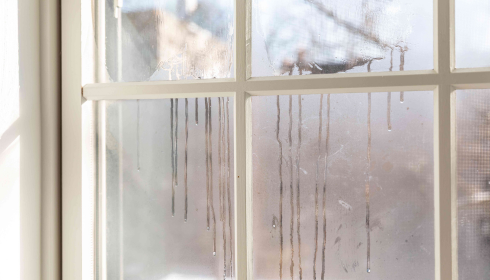
Insulated glass units are designed to trap gas between panes to regulate temperature and reduce condensation. Once the internal seal fails, moisture sneaks in and creates the foggy appearance that never wipes away. Replacing the insulated glass unit restores visibility while keeping the original window frame intact, which is often more efficient than full replacement. Freshly sealed panes also bring back thermal performance that was lost when the seal broke down. Heat transfer slows, indoor temperatures stabilize, and energy use often drops. This type of repair is frequently recommended before considering window replacement in Huntsville AL, especially when frames are still structurally sound.
Installing New Weatherstripping to Stop Cold Air Leaks
Weatherstripping acts as a soft barrier between moving window parts and the frame. Over time, it flattens, cracks, or pulls loose, leaving narrow gaps where outdoor air slips through unnoticed. Replacing worn weatherstripping immediately reduces drafts that make rooms feel colder than the thermostat suggests.
Different window styles require different weatherstripping materials, and proper sizing matters. A tight but flexible fit allows windows to open and close smoothly without sacrificing insulation. Many homeowners searching for window repair near me discover that new weatherstripping alone can solve persistent comfort issues.
Adjusting Window Frames to Ensure Tight Closing Action
Windows that appear closed may still have small alignment problems. Shifting foundations, temperature changes, or age can cause frames to settle unevenly. This misalignment prevents the sash from pressing evenly against the frame, allowing air to pass through.
Frame adjustments correct the closing angle so the window seals evenly on all sides. This process often involves minor repositioning rather than structural changes. Once adjusted, windows close more securely, which improves insulation and reduces outside noise.
Repairing or Replacing Worn out Sash Locks for Better Seal
Sash locks do more than secure windows; they pull the sash tightly against the frame. When locks wear down or loosen, the window may rattle slightly, even when locked. That small movement creates openings for air infiltration.
Replacing or repairing sash locks restores tension across the window. A firm lock improves both security and energy efficiency. This repair is especially helpful in older homes where original hardware has lost its strength.
Adding New Glazing to Improve Insulation Performance
Glazing refers to the compound that holds glass in place within the sash. Over time, glazing dries out, cracks, or pulls away from the glass. These gaps weaken insulation and may allow moisture intrusion.
Fresh glazing seals the glass firmly and reinforces the window’s insulating layer. This repair also prevents minor glass movement that contributes to rattling and drafts. Proper glazing extends the life of existing windows without the need for immediate window installation in Huntsville AL.
Fixing Warped Frames That Create Unwanted Airflow Gaps
Wood and vinyl frames can warp due to prolonged exposure to moisture or temperature swings. Warping creates uneven surfaces where seals no longer make contact. These gaps are often difficult to see but easy to feel on cold days.
Repairing warped frames may involve reshaping, reinforcing, or selectively replacing damaged sections. Once corrected, seals perform as intended, and airflow issues diminish. This repair addresses one of the most overlooked sources of persistent drafts.
Re-sealing Perimeter Caulking to Block Outside Air Entry
Perimeter caulking seals the space between the window frame and the wall. As caulk ages, it shrinks, cracks, or separates, leaving narrow channels for air and moisture. These openings often go unnoticed until temperature differences become obvious. Removing old caulk and applying new sealant restores the exterior barrier around the window. Proper sealing also protects against water intrusion that can damage surrounding materials. This repair is a common first step before considering window replacement in Huntsville AL.
Rebalancing or Tightening Hardware to Prevent Drafts
Window hardware controls how smoothly sashes move and how firmly they stay in position. Loose or worn components allow windows to sag slightly, even when closed. That sagging disrupts the seal and creates drafts. Rebalancing springs or tightening hardware restores proper alignment and pressure. This adjustment improves both function and comfort. Many draft complaints are resolved through hardware correction rather than glass replacement.
Swapping out Old Seals to Eliminate Fog Between Panes
Seals around glass panes prevent moisture from entering the insulated space. Once those seals degrade, fog forms and spreads over time. Replacing old seals removes trapped moisture and prevents further condensation buildup.
New seals restore the insulating barrier without replacing the entire window. Clear glass returns, and indoor humidity levels become easier to manage. This targeted repair often delays the need for full window installation in Huntsville AL.
For homeowners dealing with foggy or drafty windows, professional evaluation makes a measurable difference. Huntsville Glass can identify whether repairs, resealing, or component replacement will restore comfort and clarity, offering solutions that match the condition of each window rather than defaulting to unnecessary replacements.
 Admin
Admin