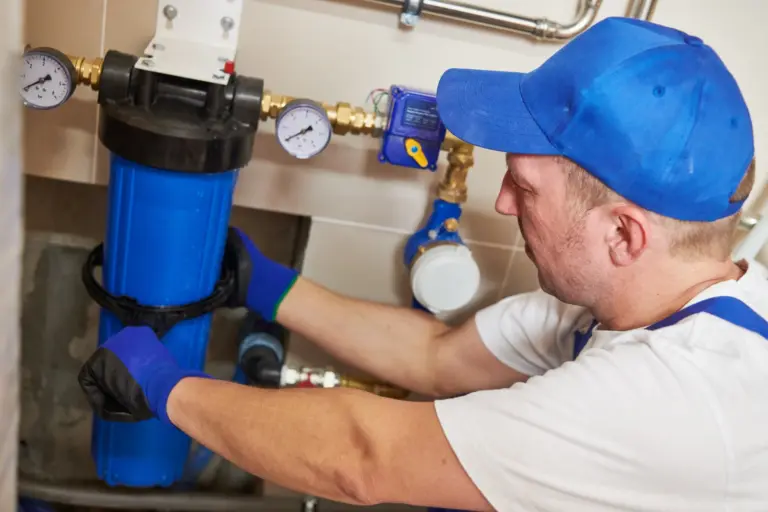
Category: Home Services

  • Why Comprehensive Water Services Begin with Accurate Water Testing

    Why Comprehensive Water Services Begin with Accurate Water Testing

    Water is something most households use without giving it much thought. We turn on the tap, fill a glass, start the washing machine, or take a shower, expecting the water to be clean and dependable. Usually, it is. But when strange odors, mineral stains, unusual tastes, or plumbing problems appear, it becomes clear how much daily life depends on water quality.

    The challenge is that water problems are not always easy to identify. Clear water may still contain unwanted substances, while an unpleasant taste does not automatically mean the water is unsafe. This is why homeowners need more than a quick visual check or a generic filter recommendation. A thoughtful approach begins with understanding the water itself and then selecting treatment based on real results.

    That is where comprehensive water services can provide valuable support. These services may include water testing, treatment recommendations, system installation, maintenance, filtration, softening, and follow-up inspections. Instead of treating every home the same way, a complete service approach looks at the property’s specific water conditions and household needs.

    Why Water Quality Can Vary from Home to Home

    Water quality is influenced by several factors, including the water source, local geology, plumbing materials, storage tanks, and treatment processes. Homes connected to municipal supplies may experience chlorine taste, sediment, or changes caused by distribution lines. Private wells can have concerns involving hardness, iron, sulfur, bacteria, nitrates, or naturally occurring minerals.

    Even neighboring properties may have different experiences. One home might struggle with hard water and scale, while another may notice a metallic smell or cloudy appearance. The difference could come from plumbing, well depth, filtration equipment, or changes in the local water supply.

    Water quality can also change over time. Seasonal rainfall, construction, flooding, plumbing repairs, or aging infrastructure may affect what enters the water system. A test performed several years ago may not accurately represent current conditions, especially when the water source or household plumbing has changed.

    The Importance of Professional Water Testing

    Before investing in treatment equipment, homeowners should consider water testing. Testing provides information that appearance, taste, and smell cannot reliably offer. It can help identify the substances present in the water and determine whether treatment is necessary.

    Depending on the water source and local concerns, a test may examine hardness, pH, chlorine, iron, manganese, total dissolved solids, bacteria, nitrates, lead, or other contaminants. The right panel depends on the property. A private well, for example, may require a different testing approach from a home connected to a regulated municipal supply.

    Testing is also useful when a household notices a sudden change. If water begins smelling unusual or leaves new stains on fixtures, a laboratory report can help distinguish between a cosmetic issue and a concern that requires prompt attention.

    The key is to avoid testing only for the substances a homeowner already suspects. A professional can help identify which tests are relevant based on the water source, local conditions, household complaints, and any previous results.

    Why Third-Party Laboratory Testing Matters

    In some situations, homeowners may prefer third-party lab water testing for an independent assessment. A third-party laboratory operates separately from the company selling treatment equipment, which can provide greater confidence that the results are not being shaped by a sales recommendation.

    Independent testing can be particularly useful when a homeowner is comparing several treatment providers or wants confirmation of an earlier result. It may also be appropriate when there are concerns about a private well, a real-estate transaction, a suspected contamination event, or a health-related water issue.

    However, the quality of the test depends on more than the laboratory’s name. Samples must be collected correctly, stored appropriately, and delivered within the required timeframe. Improper sampling can produce misleading results, even when the laboratory itself follows reliable procedures.

    Homeowners should ask the laboratory about accreditation, testing methods, detection limits, sample instructions, and the substances included in the selected package. A basic water test may not cover every contaminant of concern, so the testing scope should be reviewed carefully.

    Reading and Understanding a Water Report

    Laboratory reports can appear complicated at first. They often include technical terms, measurement units, detection limits, and recommended reference levels. A qualified professional can help explain the results without turning every detected substance into a reason for alarm.

    It is important to understand the difference between detection and danger. A report may identify a substance at a very low concentration, but the significance depends on the amount, exposure, applicable standards, and intended use of the water. Some substances primarily affect taste, odor, staining, or plumbing, while others may require more serious attention.

    Homeowners should also check whether the report compares results with current regulatory or health-based guidelines. Guidelines can differ depending on the jurisdiction and whether the water is used for drinking, bathing, or other household purposes.

    When a result exceeds a relevant standard, the next step should be practical and informed. That may involve retesting, contacting the water supplier, inspecting the well, or consulting a qualified water-treatment professional.

    Matching Treatment to the Actual Problem

    Once testing is complete, treatment decisions become much easier. Hard water may call for a water softener or scale-control system. Sediment may require a pre-filter. Chlorine taste and odor can often be addressed with activated carbon. Reverse osmosis may be considered for certain dissolved substances in drinking water, while ultraviolet treatment may be relevant for specific microbial concerns.

    No single system removes every contaminant. A softener, for instance, is designed mainly to reduce hardness minerals. It should not be promoted as a universal solution for bacteria, chemicals, or all dissolved substances. Likewise, a carbon filter may improve taste but may not address every health-related contaminant.

    A reliable provider should explain what the recommended system can reduce, what it cannot remove, how much water it can treat, and what maintenance will be required. If the recommendation does not connect clearly to the test results, homeowners should ask more questions before purchasing.

    The Value of Installation and Ongoing Maintenance

    Even the right treatment equipment can perform poorly if it is incorrectly sized or installed. Water pressure, flow rate, plumbing layout, household consumption, and incoming water chemistry all influence system performance.

    Professional installation helps ensure that filters, tanks, valves, membranes, and disinfection units work as intended. It can also reduce the risk of leaks, pressure problems, and premature equipment failure.

    Maintenance should not be overlooked. Filters need timely replacement, UV lamps have service lives, softeners require monitoring, and reverse osmosis membranes eventually need changing. A system that is not maintained may gradually lose effectiveness without showing an obvious warning.

    Keeping records of water tests, installation dates, filter replacements, and service appointments makes the entire process easier. It also helps homeowners identify changes in performance before they become major problems.

    Making a Confident, Informed Water Treatment Decision

    Improving household water quality does not have to begin with expensive equipment or complicated promises. It should begin with information. Testing reveals what is present, laboratory analysis helps clarify the results, and professional guidance connects those findings to a practical treatment plan.

    For homeowners, the goal should be more than water that simply looks clear. It should be water that is appropriate for its intended use, supported by reliable information, and managed with realistic expectations.

    By combining accurate testing, independent analysis when appropriate, suitable treatment technology, and regular maintenance, households can address water concerns more effectively. The result may include better taste, fewer stains, improved appliance performance, and greater peace of mind. Most importantly, the process replaces guesswork with a clear understanding of what the water actually needs.


  • When Your Water System Needs Attention, Getting the Right Help Matters

    When Your Water System Needs Attention, Getting the Right Help Matters

    There’s a certain kind of household problem that’s easy to put off. A faucet drips, a filter gets overdue for replacement, or a water softener doesn’t seem to be working quite as well as it once did. Nothing feels urgent, so it gets pushed down the list.

    Then, eventually, you notice the signs everywhere.

    Maybe there’s more scale around the faucets. Your shower water feels different. Glassware comes out cloudy, or the system starts making unfamiliar noises. Sometimes the problem is minor. Other times, it’s a warning that a piece of equipment needs professional attention.

    Water treatment systems work quietly, but they’re important. A little attention at the right time can keep a small issue from turning into a costly repair. And when something does go wrong, knowing who to call makes the whole situation a lot less stressful.

    Don’t Ignore Changes in Water Quality

    One of the easiest ways to spot a problem is simply to pay attention to changes in your water.

    If your home has a water softener, for example, you may suddenly notice soap isn’t lathering as easily or mineral spots are returning to sinks and shower doors. You might find yourself cleaning fixtures more often, too. These aren’t necessarily signs that the entire system has failed, but they’re worth investigating.

    Changes in taste or odor can also deserve attention, particularly when they appear suddenly. While some changes may be harmless, others could point toward a filtration issue, plumbing problem or equipment that needs servicing.

    The important thing is not to panic — but don’t ignore persistent changes either.

    Routine Care Can Prevent Bigger Problems

    Water treatment equipment isn’t completely maintenance-free. Filters need replacing, softeners need checking, and mechanical components eventually wear out. Like any appliance, a little attention can extend the useful life of the system.

    Regular system maintenance might include checking filters, inspecting connections, examining salt levels where applicable, cleaning certain components and confirming that settings are still appropriate for the household.

    It doesn’t have to be complicated. The exact requirements depend on the type of system, manufacturer recommendations and local water conditions. Keeping a simple maintenance schedule can make a surprising difference.

    It’s also worth keeping records of service visits and filter changes. If a problem appears later, that history can help a technician understand what has already been done.

    Know the Difference Between a Filter and a Softener

    This is a common source of confusion.

    A water softener is primarily designed to reduce hardness minerals such as calcium and magnesium. A filtration system, depending on its design, may address sediment, chlorine, unpleasant tastes, odors or specific contaminants.

    So, if your main problem is scale buildup, replacing a filter may not solve it. Likewise, a water softener isn’t a universal solution for every water-quality concern.

    Some homes use multiple treatment methods because they have different needs. A whole-house softener might handle hard water, while a drinking-water filter provides additional treatment at the kitchen tap.

    Before buying or replacing anything, identify the actual problem. Testing the water can be a useful starting point, especially when you’re unsure what’s causing the symptoms.

    When a Professional Inspection Is Worth It

    There are certain situations where experimenting with settings or watching online repair videos isn’t the best idea.

    If the system is leaking, repeatedly failing to regenerate, producing unusual noises or showing persistent performance problems, professional inspection is usually the safer approach.

    A technician can look at the equipment as a complete system rather than guessing based on one symptom. Sometimes the fix is straightforward. A clogged component, incorrect setting or worn part may be all that’s wrong.

    Other times, the system may be approaching the end of its useful life. Knowing that early gives you time to compare replacement options instead of making a rushed purchase.

    If the issue is affecting your home’s plumbing or water quality, it’s better to understand the cause than simply treat the symptom.

    Why Local Experience Can Be Helpful

    Water conditions vary from one region to another. Hardness levels, mineral content and common plumbing concerns can all influence how water treatment equipment performs.

    That’s one reason local expertise can be valuable. Technicians who regularly work in the area may already be familiar with common water-quality challenges and the types of systems homeowners use.

    When a problem comes up unexpectedly, many homeowners also want fast help from licensed local experts rather than waiting around for someone unfamiliar with the equipment or local conditions.

    Credentials matter, but so does communication. A good technician should be willing to explain what’s wrong, what needs to be repaired and what can safely wait. You shouldn’t need an engineering degree to understand a service recommendation.

    Don’t Automatically Replace Everything

    A broken component doesn’t always mean you need a new system.

    Sometimes a repair makes much more financial sense. A valve, control component, fitting or other replaceable part may be responsible for the trouble. If the tank and other major components are still in good condition, repairing the system could give it several more useful years.

    On the other hand, repeated repairs can become a sign that replacement is approaching.

    Think about the bigger picture. How old is the system? How often has it needed service? Is it using significantly more salt or water than expected? Does it still meet your household’s needs?

    A professional assessment can help answer those questions without turning every service call into a sales pitch.

    What to Ask Before Scheduling Service

    A few simple questions can make the experience much smoother.

    Ask whether the technician is licensed where required, whether diagnostic fees apply and what type of warranty is provided on repairs or replacement parts. If you’re considering a new system, ask about installation, ongoing maintenance and operating costs — not just the purchase price.

    It’s also reasonable to request a clear explanation before approving major work.

    And if you’re dealing with an urgent issue, don’t wait for the situation to become unbearable. Request service now when you notice persistent leaks, equipment failure or significant changes in water quality. Early attention can sometimes mean a simple repair instead of a much larger problem later.

    A Better Approach to Water Treatment

    Good water treatment isn’t about buying the most expensive equipment available. It’s about having a system that’s appropriate for your water, your home and your daily habits — then taking reasonable care of it.

    Pay attention to changes. Follow recommended maintenance schedules. Replace consumable components when necessary. And when something doesn’t seem right, get a proper diagnosis rather than guessing.

    Most importantly, choose service professionals who value clear communication and quality workmanship. A trustworthy technician won’t just tell you what to replace; they’ll help you understand why.

    Your water system may not be the most exciting part of your home, and that’s perfectly fine. Ideally, it should work quietly in the background. With sensible maintenance and timely professional help, it can continue doing exactly that — giving you one less household problem to worry about.

  • Office and Home Removals: What Changes When You’re Moving a Business

    Office and Home Removals: What Changes When You’re Moving a Business

    Not every removal job involves a three-piece suite and a wardrobe. Plenty of people searching for moving help are actually relocating a business — an office, a small shop, a workshop — and the logistics involved look quite different from a typical household move. Equipment needs careful handling, downtime costs money, and there’s often a hard deadline tied to a lease rather than flexible personal scheduling. This guide covers both sides: what changes when a move involves a business rather than a home, and the practical steps that make either type of relocation go smoothly.

    How Business Moves Differ From Home Moves

    The core mechanics of hiring a removal company stay similar, but the priorities shift considerably when it’s a business on the move rather than a household.

    • Downtime matters more than convenience. A home move inconveniences a family for a day or two; a business move that overruns can mean lost trading hours or missed client commitments.
    • Equipment often needs specialist handling. IT infrastructure, specialist machinery, or retail fixtures frequently require different care and sometimes different insurance than standard household furniture.
    • Timing is often less flexible. Lease end dates, planning permissions, and fit-out schedules for a new premises can create firmer deadlines than a typical home move.
    • Continuity planning becomes important. Businesses often need to keep operating, even partially, during the transition, which home moves rarely require.

    Understanding these differences early helps when briefing a removal company, since a firm well-versed in household moves may not automatically anticipate the specific pressures of relocating a working business.

    Choosing a Removal Company for a Business Relocation

    Not every removal company handles commercial moves as part of their regular work, so it’s worth asking directly about experience with business relocations specifically, rather than assuming general household expertise translates automatically.

    Questions worth asking include:

    1. Have you handled moves involving office equipment, IT infrastructure, or retail fixtures before?
    2. Can you work around specific timing constraints, such as weekend-only moves to minimise business disruption?
    3. Do you offer additional insurance for higher-value equipment?
    4. Can you provide a detailed schedule so we can plan continuity around the move?
    5. Do you have experience navigating loading restrictions common in commercial or industrial areas?

    A company offering Removals Aylesbury UK services to both households and businesses will typically be able to speak confidently about how commercial jobs differ in practice, from equipment handling to scheduling around operational hours.

    Planning a Business Move Without Losing Productivity

    Minimising disruption is usually the top priority for any business relocation, and a bit of structured planning goes a long way.

    Set a Clear Moving Weekend or Off-Peak Window

    Where possible, schedule the move for a period with naturally lower activity, such as a weekend or a traditionally quieter trading period, to reduce the impact on day-to-day operations.

    Communicate the Timeline to Staff and Clients Early

    Uncertainty creates more disruption than the move itself. Letting staff know well in advance what to expect, and informing clients or customers of any temporary changes to service, reduces confusion on both sides.

    Back Up Digital Systems Before Moving IT Equipment

    Any move involving computers, servers, or networked equipment should include a full backup beforehand, simply as a sensible precaution against unexpected damage or delays during transit.

    Label Equipment by Department or Function

    Just as households benefit from room-based labelling, businesses benefit from labelling boxes and equipment by department, making it far easier to set up the new premises efficiently rather than searching through unmarked boxes.

    Handling Specialist Equipment During a Move

    Certain types of equipment need particular care, and it’s worth flagging these specifically when requesting a quote rather than assuming standard handling will suffice.

    • IT and networking equipment often benefits from anti-static packing and careful handling to avoid damage to sensitive components.
    • Retail fixtures and displays can be awkward shapes that require disassembly and careful protection during transport.
    • Workshop or specialist machinery sometimes needs professional disconnection and reconnection, occasionally requiring input from a qualified technician alongside the removal team.
    • Filing and confidential documents should be transported securely, with a clear chain of custody if the material is sensitive.

    Mentioning these details upfront, ideally during an on-site survey rather than a rough phone estimate, helps ensure the removal company brings the right equipment and expertise on the day.

    Local Considerations for Commercial Moves

    Business relocations often involve additional access considerations compared to residential moves, particularly in areas with a strong mix of commercial and industrial premises.

    For businesses researching Removals Barking UK services, it’s worth factoring in the area’s blend of industrial units, warehouses, and smaller commercial premises, each of which can present different loading bay access, parking restrictions, or delivery time windows. A removal company experienced with commercial moves in the area will typically already understand these local requirements, reducing the risk of delays caused by unexpected access restrictions on the day.

    Common Mistakes in Business Relocations

    • Underestimating IT and equipment setup time at the new premises, beyond just the physical move itself.
    • Not communicating the move clearly to clients, leading to confusion about service continuity.
    • Failing to confirm insurance for specialist equipment, assuming standard coverage applies automatically.
    • Leaving the move until the last possible moment before a lease deadline, reducing flexibility around scheduling.
    • Forgetting to update the business address across websites, directories, and official registrations promptly after the move.

    Balancing Home and Business Moves When They Overlap

    Sometimes personal and business moves happen close together, particularly for small business owners working from home or relocating both a residence and a workspace simultaneously. In these situations, it’s worth treating the two as separate projects with their own timelines, even if the same removal company handles both, since combining them into a single rushed schedule increases the risk of mistakes on either side.

    Practical Tips for a Smooth Business Move

    • Confirm the moving date well in advance and communicate it clearly across the organisation.
    • Arrange for critical systems, like phone lines and internet, to be active at the new premises before the move date, avoiding unnecessary downtime.
    • Keep essential documents and equipment accessible rather than packed deep within boxes.
    • Do a final walkthrough of the old premises, checking storage rooms, cupboards, and any overlooked areas.
    • Update your business address across your website, directories, and official correspondence promptly after moving.

    Frequently Asked Questions

    How is a business relocation different from a standard house move?

    Business moves generally involve tighter scheduling around lease deadlines, specialist equipment handling, and a stronger focus on minimising operational downtime compared to typical household moves.

    Do I need special insurance for moving office equipment?

    Often yes, particularly for higher-value IT equipment or specialist machinery. It’s worth confirming coverage details directly with your removal company rather than assuming standard insurance applies.

    How far in advance should a business plan its relocation?

    Ideally several months ahead, particularly if the move is tied to a lease deadline or requires coordination around fit-out work at the new premises.

    Can removal companies handle both home and office moves?

    Many do, though it’s worth confirming specific experience with commercial relocations, since the priorities and equipment involved can differ considerably from household moves.

    What should I do with confidential documents during a business move?

    Ensure they’re securely packed with a clear chain of custody, and discuss this specifically with your removal company if the volume or sensitivity of documents warrants extra care.

    How can I minimise disruption to clients during a business move?

    Communicate the timeline clearly in advance, schedule the physical move during a quieter period where possible, and ensure essential systems like phones and internet are active at the new premises before the transition.

    Relocating a business brings its own set of pressures that a standard household move doesn’t have to consider, from operational downtime to specialist equipment handling. Planning early, communicating clearly with staff and clients, and choosing a removal company genuinely experienced with commercial moves all help ensure the transition causes as little disruption as possible, whatever kind of business is making the move.

  • When Your AC Stops Working, Having the Right Help Matters

    When Your AC Stops Working, Having the Right Help Matters

    Few things are more frustrating than an air conditioner failing when you need it most. A system that was running normally in the morning may suddenly start blowing warm air by afternoon. Sometimes there’s a strange noise, a tripped breaker, or simply nothing happens when you lower the thermostat.

    During hot weather, waiting isn’t much fun.

    That’s why dependable HVAC service matters. Whether the problem calls for an emergency repair, a new installation, or complete replacement, understanding your options can help you make a better decision instead of rushing into the first solution available.

    When an AC Problem Becomes an Emergency

    Not every cooling problem requires an emergency call. A slightly noisy fan can often wait for a scheduled appointment. A complete loss of cooling during extreme heat is a different situation.

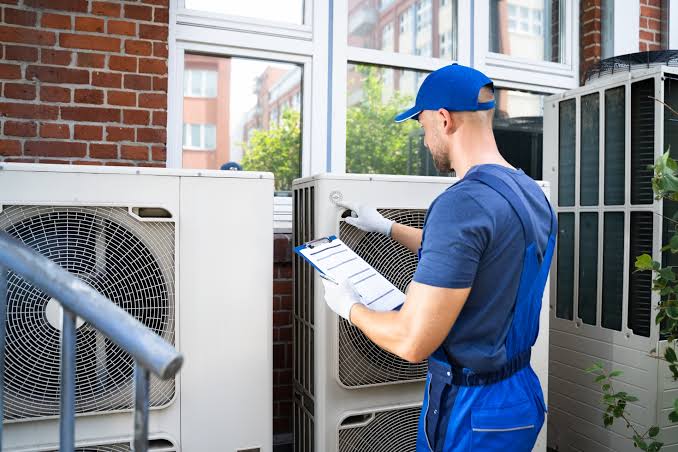
    For homeowners who need immediate assistance, 24/7 emergency ac services can provide help outside regular business hours. This can be especially important for families with young children, older adults, or anyone particularly vulnerable to extreme indoor temperatures.

    Emergency technicians can assess the system, identify the immediate issue, and determine whether a repair can restore cooling safely.

    Sometimes the problem is surprisingly simple. A failed capacitor, electrical issue, clogged filter, or malfunctioning control can stop an air conditioner from operating normally.

    Other times, the system may have a larger mechanical failure.

    The important thing is getting an accurate diagnosis before deciding what to do next.

    Don’t Ignore Warning Signs

    An air conditioner rarely fails without giving some clues first.

    Watch for unusual sounds, weak airflow, warm air from the vents, frequent cycling, water around the indoor unit, strange odors, or an unexplained increase in energy use.

    These symptoms don’t necessarily mean the system needs replacement. They may indicate a repair or maintenance issue.

    But continuing to operate equipment that is clearly struggling can sometimes make the problem worse.

    If something suddenly feels different, it’s worth having the system checked.

    When AC Installation Makes Sense

    Installing a new air conditioner is a significant investment, so it should be approached carefully.

    Professional ac installation involves more than placing a new outdoor unit beside the house. The equipment needs to be properly sized and matched to the indoor components, ductwork, electrical requirements, and cooling needs of the property.

    A system that’s too large may cool the home quickly but cycle too frequently. An undersized system may run continuously during hot weather while struggling to maintain the desired temperature.

    Neither situation is ideal.

    A qualified HVAC professional should evaluate the building before recommending equipment. Factors such as insulation, windows, square footage, ductwork, occupancy, and local climate can all affect the appropriate system size.

    What About AC Replacement?

    Sometimes repair isn’t the most practical answer.

    If an air conditioner is several years old, requires frequent repairs, has declining efficiency, or struggles to keep the home comfortable, ac replacement may make more financial sense.

    The decision shouldn’t be based on age alone.

    Consider the cost of the proposed repair, recent repair history, energy performance, warranty coverage, replacement-part availability, and expected remaining service life.

    For example, spending a reasonable amount to repair a relatively young system may be sensible. Spending heavily on a major component for an aging unit that has already needed several repairs could simply postpone a larger expense.

    A professional assessment can help you compare the options.

    Why Installation Quality Matters

    Buying a new air conditioner doesn’t guarantee good performance.

    Installation quality can have a significant impact on efficiency, comfort, and reliability.

    Technicians need to handle refrigerant connections, electrical wiring, airflow, drainage, thermostat controls, and system testing correctly. The new equipment should also be properly matched to the existing system.

    Poor installation can lead to problems that are frustrating and expensive to diagnose later.

    When comparing contractors, don’t look only at the equipment price. Ask what the installation includes and whether labor warranties or follow-up service are provided.

    Energy Efficiency Isn’t Just About the Equipment

    A newer air conditioner can be more efficient than an aging model, but the building itself also matters.

    Poor insulation, leaky ducts, blocked vents, and air leaks can make even a new system work harder.

    Before replacing equipment, it can be useful to ask whether the ductwork and insulation should also be inspected.

    A properly sized air conditioner combined with good airflow and a reasonably efficient building envelope can provide better overall performance than simply installing the biggest unit available.

    Maintenance Can Prevent Unnecessary Emergencies

    Nobody wants to schedule maintenance when the air conditioner appears to be working perfectly.

    But preventive service can help identify developing problems before they turn into emergency calls.

    Regular maintenance may include checking filters, coils, electrical connections, drainage, airflow, controls, and other components depending on the equipment.

    Homeowners can also help by keeping outdoor equipment clear of leaves and debris and replacing filters according to manufacturer recommendations.

    It’s basic care, but it matters.

    Choosing the Right HVAC Professional

    When your AC fails, it can be tempting to hire the first available contractor.

    Availability is important, especially during an emergency, but quality matters too.

    Look for professionals who can explain the problem clearly, provide transparent recommendations, and offer both repair and replacement options when appropriate.

    Ask about experience with your type of system, warranties, maintenance plans, emergency availability, and follow-up service.

    A trustworthy contractor should help you understand your choices rather than making you feel pressured into the most expensive option.

    Prepare Before the Next Breakdown

    If your air conditioner is already showing signs of age, don’t wait until the hottest day of the year to research replacement options.

    Knowing who to call, understanding your equipment’s condition, and having a rough idea of replacement costs can make an unexpected failure much easier to handle.

    You may discover that a simple repair is all you need. Or you may realize that replacement is the smarter long-term investment.

    Either way, planning ahead puts you in control.

    Reliable Cooling Starts With Good Decisions

    An AC system is a major part of everyday comfort, especially when outdoor temperatures rise.

    Whether you need emergency service, a new installation, or a complete replacement, the goal should always be the same: safe, dependable, efficient cooling that fits your property and budget.

    Take warning signs seriously. Maintain your existing equipment. Choose professional installation when replacement becomes necessary, and don’t be afraid to ask questions.

    A broken air conditioner is stressful enough. With the right preparation and the right HVAC professional, it doesn’t have to become a bigger problem than it needs to be.

  • Why Regular Water Treatment Maintenance Matters More Than You Think

    Why Regular Water Treatment Maintenance Matters More Than You Think

    A water treatment system is one of those household investments you probably don’t think about very often. Once it’s installed and working, it sits quietly in the background while you get on with life.

    That’s exactly why maintenance gets forgotten.

    Months turn into years. A filter that should have been replaced last season is still sitting under the sink. A water softener starts behaving differently, but nobody is quite sure why. The drinking water tastes a little unusual, yet it’s easy to blame the change on the weather, the plumbing, or even the coffee.

    The thing is, water treatment equipment works best when it’s looked after. Regular maintenance isn’t just about protecting the equipment itself. It helps keep performance consistent and gives you an opportunity to catch small problems before they become expensive ones.

    Even Good Equipment Needs Attention

    Modern water treatment systems are designed to work reliably, but no system is completely maintenance-free.

    Filters collect the substances they’re designed to remove. Softener components experience normal wear. Reverse osmosis membranes gradually lose performance. Connections, valves, housings, and tanks may also need inspection over time.

    It’s a little like owning a car. You wouldn’t buy one and assume the engine never needs an oil change. Water treatment equipment deserves the same basic care.

    Routine maintenance can also help you understand whether the system is still doing what you originally installed it to do.

    Keeping Water Softeners Working Properly

    Water softeners are particularly useful in homes affected by hard water, but they aren’t appliances you can simply install and forget.

    Salt levels need to be checked regularly on traditional systems. Depending on the model and water conditions, the resin bed and control valve may also need attention.

    Signs of trouble can include increasing scale on fixtures, changes in water feel, unusually frequent regeneration, or salt that seems to disappear much faster than expected.

    Professional softener repair and inspections can help identify issues such as clogged components, incorrect settings, worn valves, or problems with regeneration. Sometimes the fix is surprisingly simple. Other times, a worn component needs replacement.

    Either way, finding the issue early is usually better than waiting until the system stops working completely.

    Don’t Ignore Your Reverse Osmosis System

    Reverse osmosis systems are popular for drinking and cooking water because they can reduce many dissolved substances. But their performance depends heavily on regular maintenance.

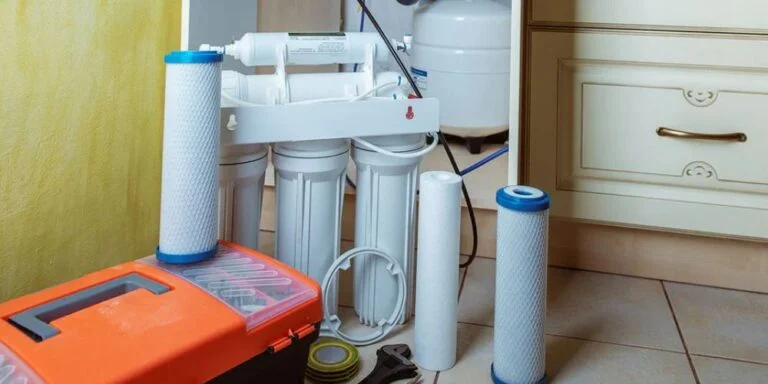
    The system typically contains several stages, such as sediment and carbon filters, followed by an RO membrane. Some models also include a final polishing filter or mineral stage.

    Every component has a purpose and a service interval.

    Regular filter changes and sanitation for ro systems can help keep the equipment performing properly and reduce the risk of neglect-related problems. The exact schedule depends on the system, water quality, and manufacturer’s recommendations.

    It’s tempting to wait until the water tastes strange before changing a filter. That’s not ideal. By then, the filter may already be well past its useful service life.

    Keep a simple replacement schedule instead. Put reminders on your phone if you have to. It takes less than a minute and can save a lot of guesswork.

    Sanitation Deserves Special Attention

    Filtration and sanitation aren’t exactly the same thing.

    A filter is designed to reduce particular substances, while sanitation involves maintaining hygienic conditions within the treatment equipment. Housings, storage tanks, tubing, and other components can require cleaning depending on the system.

    This is especially important for point-of-use drinking water equipment.

    If a system has been unused for an extended period, has developed an unusual odor, or has had maintenance work performed, proper cleaning may be appropriate.

    Always follow the manufacturer’s instructions or work with a qualified professional when you’re unsure about sanitation procedures. Using the wrong cleaning chemical or concentration can damage components.

    Watch for Changes in Water Quality

    Sometimes the most useful maintenance clue is simply that your water doesn’t seem the same anymore.

    Maybe the taste has changed. Perhaps there’s a new smell. Water pressure has dropped, or the water looks slightly cloudy.

    These changes don’t automatically mean the treatment system has failed, but they deserve attention.

    A water quality re-testing schedule can be particularly helpful for homes using private wells or dealing with changing source-water conditions. Testing can also be useful after major plumbing work, flooding, changes in the surrounding environment, or unexplained changes in water characteristics.

    Testing doesn’t have to be dramatic. Think of it as taking a snapshot of your water at different points in time. Those snapshots can reveal trends that aren’t obvious from day-to-day use.

    Keep an Eye on Water Pressure

    Water pressure is another useful clue that homeowners sometimes overlook.

    A clogged sediment filter can restrict flow. Fouled cartridges may cause pressure to drop gradually. Problems inside a softener or filtration unit can also affect how water moves through the system.

    If several faucets suddenly have weak pressure, the treatment system may not be the only possible cause. Plumbing issues, municipal supply changes, or other equipment could be involved.

    Still, checking the filtration equipment is a sensible part of the troubleshooting process.

    Don’t simply remove a filter and continue using the system indefinitely because the pressure improves. That may hide the underlying issue rather than solve it.

    Keep Maintenance Records

    This sounds boring, but it works.

    Write down when filters are replaced, when the softener is serviced, when an RO membrane is changed, and when water testing is performed.

    You don’t need a complicated spreadsheet. A note on your phone is enough.

    Records make it easier to spot patterns. If a filter normally lasts twelve months but suddenly needs replacement every four months, something may have changed in the incoming water or system performance.

    Maintenance records are also useful if you sell the home. Showing that equipment has been cared for properly can provide useful information to the next homeowner.

    Know When to Call a Professional

    Some maintenance tasks are simple enough for homeowners. Others are better left to someone with the right tools and experience.

    If there’s a persistent leak, electrical issue, pressure problem, unusual noise, or sudden change in water quality, professional inspection may be the safer choice.

    The same applies when you’re unsure whether a component needs replacement or whether the system has simply been programmed incorrectly.

    Trying to save a service call is understandable. But water systems are connected to plumbing, and some mistakes can turn a small problem into a much larger one.

    Maintenance Is Really About Peace of Mind

    Water treatment equipment doesn’t need constant attention. It does, however, need consistent attention.

    A few minutes checking salt levels, replacing filters on schedule, keeping components clean, and monitoring water quality can make a noticeable difference over the life of the system.

    More importantly, maintenance helps you know that the equipment you rely on is still doing its job.

    Clean, well-treated water isn’t something most people want to think about every day — and honestly, they shouldn’t have to. A sensible maintenance routine lets the system stay in the background, quietly working as intended.

    That’s the real goal: fewer surprises, better performance, and water you can feel confident using every day.

  • What Owning a Well Taught Me About Not Assuming Anything

    What Owning a Well Taught Me About Not Assuming Anything

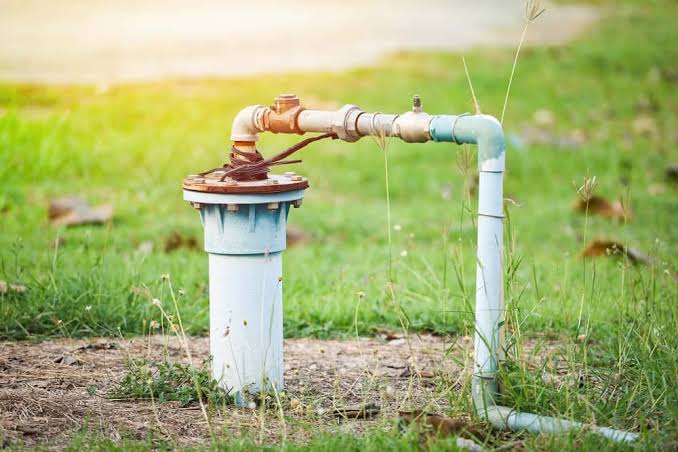
    When we bought our place a couple years ago, the well was just this fact I sort of accepted and moved on from. No city water bill, quieter neighborhood, felt like a win at the time. What I didn’t think about, not once during the whole home-buying whirlwind, was that having a well means you’re also kind of your own personal water utility. Nobody’s treating it for you in the background. It’s just… there, coming straight from the ground, and it’s on you to know what’s actually in it.

    I found this out the slow way, honestly. Little things first — a faint metallic taste some mornings, an orange-ish tint in the bathtub that I kept blaming on “old pipes” without really investigating. It took my neighbor mentioning her own well problems for me to realize this probably wasn’t just an old-house quirk. It might actually be worth looking into.

    Wells Don’t Come with a Warning Label

    Here’s what nobody tells you when you buy a house with a well — unlike city water, which gets tested and treated on some regular schedule by people whose job is literally that, your well is just… untouched, unless you do something about it. No automatic oversight. No annual report in your mailbox telling you what’s in it. You could go years without knowing whether your water’s actually fine or quietly not fine.

    That’s the whole point of well water testing, and I really wish I’d understood its importance sooner than I did. It’s not some optional extra for the overly cautious — it’s genuinely the only way you find out what’s actually coming out of your tap, since nobody else is checking for you. Bacteria, nitrates, iron, hardness, pH imbalance, arsenic in some regions depending on local geology — the list of things that can show up unnoticed is longer than I expected, and none of it announces itself with an obvious smell or taste every time.

    The Cost Excuse I Used for Way Too Long

    I’ll be honest about why I put this off as long as I did — I assumed testing was expensive, some multi-hundred-dollar ordeal I’d get around to “eventually.” Classic homeowner procrastination, dressed up as a budgeting decision. Turns out that assumption was flat-out wrong, at least for a basic screening.

    A lot of local water treatment companies actually offer free water testing as a starting point, precisely because they want you to know what you’re dealing with before recommending anything. No obligation, no upfront cost, just someone coming out to collect a sample and run the basics. I felt a little silly once I realized I’d been avoiding something that didn’t even cost me anything, purely out of assumption I’d never bothered to check.

    Numbers Without Context Don’t Mean Much

    Getting the actual test results back was its own small adventure — a page full of numbers, mineral levels, pH readings, bacteria counts, none of which meant a whole lot to me on their own. I stared at it for a solid five minutes trying to figure out if “180 ppm hardness” was supposed to worry me or not. Spoiler: it kind of was, but I had no way of knowing that from the number alone.

    This is where actual expert analysis made all the difference, honestly. The technician walked me through what each number meant in plain language — which levels were fine, which ones explained the metallic taste, which one was almost certainly behind the orange tint I’d been blaming on old pipes for way too long (turned out to be iron, for the record). Having someone translate the data into an actual explanation, instead of just handing me a spreadsheet and walking off, made the whole thing feel manageable instead of overwhelming.

    The Part Where I Stopped Guessing

    Looking back, the whole process took maybe an hour of my time, total. That’s it. And in exchange, I went from vaguely uneasy about my water — blaming random household quirks on “old house stuff” — to actually understanding what was going on and doing something about it. The orange tint’s gone now. The metallic taste too. Small fixes, once I actually knew what I was fixing.

    If you’re on a well and you’ve been doing what I did — noticing little oddities and quietly explaining them away — it’s genuinely worth just getting it checked. It costs you basically nothing to find out, and knowing beats guessing every single time, especially with something your whole household depends on every single day without a second thought.

  • What Landscaping Issues Can Be Traced Back to Failing Septic Tanks?

    What Landscaping Issues Can Be Traced Back to Failing Septic Tanks?

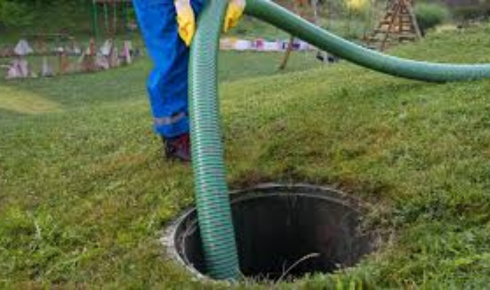
    Unexpected yard changes often raise questions long before anyone suspects an underground problem. Septic tanks can influence soil, plants, and drainage patterns quietly until the signs become too noticeable to ignore. Many outdoor concerns that homeowners attribute to normal weather or aging lawns actually point to septic tank pumping needs that have been delayed for too long.

    Soggy, Waterlogged Patches Forming Above the Drain Field

    Wet, marshy areas appearing during dry weather usually indicate the drain field can no longer process wastewater correctly. As septic tanks overflow, untreated water rises to the surface and saturates the topsoil. Homeowners who have struggled with repetitive muddy spots often find that the real issue begins deep beneath the lawn. Over time, the ground becomes spongy and unstable. Septic tank pumping in Huntsville AL helps relieve overloaded systems, but the longer wastewater continues to seep upward, the more compacted and damaged the soil becomes. This often requires both septic tank cleaning and landscape restoration to correct.

    Foul Sewage Odors Lingering Around Lawn and Garden Areas

    A strong sewage smell outdoors almost always indicates a septic issue. As tanks reach capacity, gases escape through the soil instead of staying contained underground. Landscaping projects cannot mask these odors because the source is biological, not cosmetic.

    Once these odors appear, nearby vegetation may also be affected. Prolonged exposure to escaping gases interferes with plant respiration and root health. Timely septic tank pumping helps stop the release of these smells and protects nearby greenery from further stress.

    Sinkholes or Depressions near the Septic Tank or Field Lines

    Sinking soil forms when underground components begin to collapse. Septic tanks, especially older concrete or steel models, can deteriorate over time. Field lines may also break down, creating hollow areas beneath the surface that eventually cave in.

    These depressions can become safety hazards. Septic tanks under strain need urgent attention before the soil collapses further or wastewater escapes. Repairing landscape damage requires stabilizing the system first, otherwise sinkholes will reappear regardless of surface fixes.

    Slow-draining or Backed-up Outdoor Drains

    Outdoor drain systems, such as garage trench drains or patio drains, often slow down as septic components struggle to keep up with household wastewater output. Overloaded tanks cause water to move backward through connected lines.

    This clog-like behavior creates water pooling in unwanted areas. Clearing surface drains won’t fix the problem because the blockage is not in the drain itself but in the septic system. Septic tank cleaning restores flow, bringing outdoor drainage back to normal.

    Green Algae Growth in Nearby Ponds or Low Spots

    Algae blooms indicate nutrient-rich wastewater is entering natural or man-made ponds. Failing septic systems release nitrogen and phosphorus that accelerate algae growth. Even low, quiet areas of a yard can collect this runoff.

    The impact goes beyond appearance. Excess nutrients change soil chemistry and can harm beneficial plant species. Septic tank pumping helps stop nutrient runoff, giving landscapes and nearby water features a chance to recover.

    Wilting Plants near Wet Areas Due to Root Damage

    Plants growing near consistent wet spots often wilt despite having plenty of water. This happens because wastewater reduces oxygen availability in the soil, suffocating roots. Septic tanks that fail to filter properly turn once-healthy planting beds into stressful growing environments.

    Root rot becomes common in these locations. Even hardy shrubs may show yellowing, thinning foliage. Fixing the septic issue is the only way to save these plants; replacing them without addressing the underlying moisture problem leads to repeated failures.

    Standing Water After Light Rain Events

    Lawns that hold water briefly after a storm are normal, but consistent pooling after mild rain suggests saturation from below. Drain fields clogged with solids allow water to sit on the surface because the soil cannot absorb more moisture.

    This can damage patios, walkways, and nearby structures over time. Septic tank pumping relieves oversaturation, helping the soil absorb and release water the way it should. Without it, even small storms will create long-lasting puddles.

    Soil That Feels Warm and Spongy Underfoot near Septic Lines

    Warm soil patches may indicate wastewater movement beneath the surface. Organic breakdown inside septic tanks generates heat that escapes into the surrounding ground when the system malfunctions. This warmth paired with sponginess signals wastewater is rising too close to the surface.

    These areas often become breeding grounds for insects due to constant moisture. Addressing the septic issue through proper pumping or repair will stabilize the soil and restore healthy ground temperatures. Cora Landscape offers septic tank pumping, cleaning, and landscape repair services to restore lawn health after septic system failures.