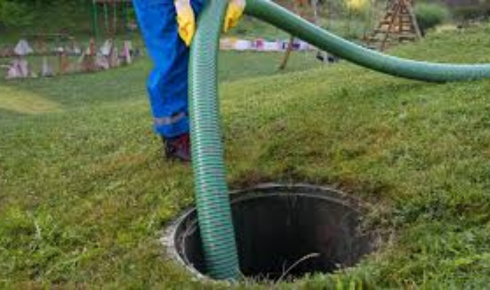
Unexpected yard changes often raise questions long before anyone suspects an underground problem. Septic tanks can influence soil, plants, and drainage patterns quietly until the signs become too noticeable to ignore. Many outdoor concerns that homeowners attribute to normal weather or aging lawns actually point to septic tank pumping needs that have been delayed for too long.
Soggy, Waterlogged Patches Forming Above the Drain Field
Wet, marshy areas appearing during dry weather usually indicate the drain field can no longer process wastewater correctly. As septic tanks overflow, untreated water rises to the surface and saturates the topsoil. Homeowners who have struggled with repetitive muddy spots often find that the real issue begins deep beneath the lawn. Over time, the ground becomes spongy and unstable. Septic tank pumping in Huntsville AL helps relieve overloaded systems, but the longer wastewater continues to seep upward, the more compacted and damaged the soil becomes. This often requires both septic tank cleaning and landscape restoration to correct.
Foul Sewage Odors Lingering Around Lawn and Garden Areas
A strong sewage smell outdoors almost always indicates a septic issue. As tanks reach capacity, gases escape through the soil instead of staying contained underground. Landscaping projects cannot mask these odors because the source is biological, not cosmetic.
Once these odors appear, nearby vegetation may also be affected. Prolonged exposure to escaping gases interferes with plant respiration and root health. Timely septic tank pumping helps stop the release of these smells and protects nearby greenery from further stress.
Sinkholes or Depressions near the Septic Tank or Field Lines
Sinking soil forms when underground components begin to collapse. Septic tanks, especially older concrete or steel models, can deteriorate over time. Field lines may also break down, creating hollow areas beneath the surface that eventually cave in.
These depressions can become safety hazards. Septic tanks under strain need urgent attention before the soil collapses further or wastewater escapes. Repairing landscape damage requires stabilizing the system first, otherwise sinkholes will reappear regardless of surface fixes.
Slow-draining or Backed-up Outdoor Drains
Outdoor drain systems, such as garage trench drains or patio drains, often slow down as septic components struggle to keep up with household wastewater output. Overloaded tanks cause water to move backward through connected lines.
This clog-like behavior creates water pooling in unwanted areas. Clearing surface drains won’t fix the problem because the blockage is not in the drain itself but in the septic system. Septic tank cleaning restores flow, bringing outdoor drainage back to normal.
Green Algae Growth in Nearby Ponds or Low Spots
Algae blooms indicate nutrient-rich wastewater is entering natural or man-made ponds. Failing septic systems release nitrogen and phosphorus that accelerate algae growth. Even low, quiet areas of a yard can collect this runoff.
The impact goes beyond appearance. Excess nutrients change soil chemistry and can harm beneficial plant species. Septic tank pumping helps stop nutrient runoff, giving landscapes and nearby water features a chance to recover.
Wilting Plants near Wet Areas Due to Root Damage
Plants growing near consistent wet spots often wilt despite having plenty of water. This happens because wastewater reduces oxygen availability in the soil, suffocating roots. Septic tanks that fail to filter properly turn once-healthy planting beds into stressful growing environments.
Root rot becomes common in these locations. Even hardy shrubs may show yellowing, thinning foliage. Fixing the septic issue is the only way to save these plants; replacing them without addressing the underlying moisture problem leads to repeated failures.
Standing Water After Light Rain Events
Lawns that hold water briefly after a storm are normal, but consistent pooling after mild rain suggests saturation from below. Drain fields clogged with solids allow water to sit on the surface because the soil cannot absorb more moisture.
This can damage patios, walkways, and nearby structures over time. Septic tank pumping relieves oversaturation, helping the soil absorb and release water the way it should. Without it, even small storms will create long-lasting puddles.
Soil That Feels Warm and Spongy Underfoot near Septic Lines
Warm soil patches may indicate wastewater movement beneath the surface. Organic breakdown inside septic tanks generates heat that escapes into the surrounding ground when the system malfunctions. This warmth paired with sponginess signals wastewater is rising too close to the surface.
These areas often become breeding grounds for insects due to constant moisture. Addressing the septic issue through proper pumping or repair will stabilize the soil and restore healthy ground temperatures. Cora Landscape offers septic tank pumping, cleaning, and landscape repair services to restore lawn health after septic system failures.