



A water treatment system is one of those household investments you probably don’t think about very often. Once it’s installed and working, it sits quietly in the background while you get on with life.
That’s exactly why maintenance gets forgotten.
Months turn into years. A filter that should have been replaced last season is still sitting under the sink. A water softener starts behaving differently, but nobody is quite sure why. The drinking water tastes a little unusual, yet it’s easy to blame the change on the weather, the plumbing, or even the coffee.
The thing is, water treatment equipment works best when it’s looked after. Regular maintenance isn’t just about protecting the equipment itself. It helps keep performance consistent and gives you an opportunity to catch small problems before they become expensive ones.
Even Good Equipment Needs Attention
Modern water treatment systems are designed to work reliably, but no system is completely maintenance-free.
Filters collect the substances they’re designed to remove. Softener components experience normal wear. Reverse osmosis membranes gradually lose performance. Connections, valves, housings, and tanks may also need inspection over time.
It’s a little like owning a car. You wouldn’t buy one and assume the engine never needs an oil change. Water treatment equipment deserves the same basic care.
Routine maintenance can also help you understand whether the system is still doing what you originally installed it to do.
Keeping Water Softeners Working Properly
Water softeners are particularly useful in homes affected by hard water, but they aren’t appliances you can simply install and forget.
Salt levels need to be checked regularly on traditional systems. Depending on the model and water conditions, the resin bed and control valve may also need attention.
Signs of trouble can include increasing scale on fixtures, changes in water feel, unusually frequent regeneration, or salt that seems to disappear much faster than expected.
Professional softener repair and inspections can help identify issues such as clogged components, incorrect settings, worn valves, or problems with regeneration. Sometimes the fix is surprisingly simple. Other times, a worn component needs replacement.
Either way, finding the issue early is usually better than waiting until the system stops working completely.
Don’t Ignore Your Reverse Osmosis System
Reverse osmosis systems are popular for drinking and cooking water because they can reduce many dissolved substances. But their performance depends heavily on regular maintenance.
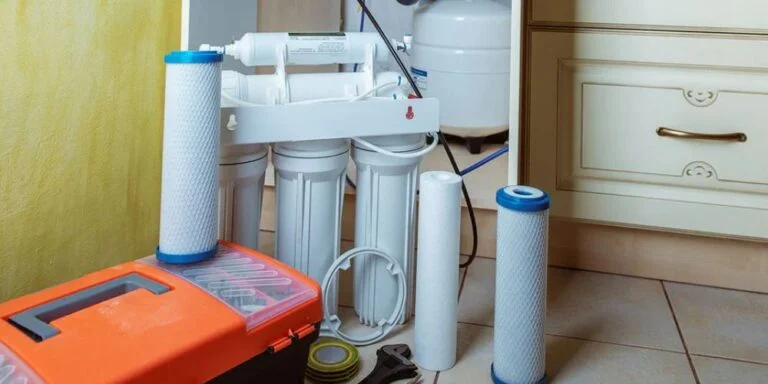
The system typically contains several stages, such as sediment and carbon filters, followed by an RO membrane. Some models also include a final polishing filter or mineral stage.
Every component has a purpose and a service interval.
Regular filter changes and sanitation for ro systems can help keep the equipment performing properly and reduce the risk of neglect-related problems. The exact schedule depends on the system, water quality, and manufacturer’s recommendations.
It’s tempting to wait until the water tastes strange before changing a filter. That’s not ideal. By then, the filter may already be well past its useful service life.
Keep a simple replacement schedule instead. Put reminders on your phone if you have to. It takes less than a minute and can save a lot of guesswork.
Sanitation Deserves Special Attention
Filtration and sanitation aren’t exactly the same thing.
A filter is designed to reduce particular substances, while sanitation involves maintaining hygienic conditions within the treatment equipment. Housings, storage tanks, tubing, and other components can require cleaning depending on the system.
This is especially important for point-of-use drinking water equipment.
If a system has been unused for an extended period, has developed an unusual odor, or has had maintenance work performed, proper cleaning may be appropriate.
Always follow the manufacturer’s instructions or work with a qualified professional when you’re unsure about sanitation procedures. Using the wrong cleaning chemical or concentration can damage components.
Watch for Changes in Water Quality
Sometimes the most useful maintenance clue is simply that your water doesn’t seem the same anymore.
Maybe the taste has changed. Perhaps there’s a new smell. Water pressure has dropped, or the water looks slightly cloudy.
These changes don’t automatically mean the treatment system has failed, but they deserve attention.
A water quality re-testing schedule can be particularly helpful for homes using private wells or dealing with changing source-water conditions. Testing can also be useful after major plumbing work, flooding, changes in the surrounding environment, or unexplained changes in water characteristics.
Testing doesn’t have to be dramatic. Think of it as taking a snapshot of your water at different points in time. Those snapshots can reveal trends that aren’t obvious from day-to-day use.
Keep an Eye on Water Pressure
Water pressure is another useful clue that homeowners sometimes overlook.
A clogged sediment filter can restrict flow. Fouled cartridges may cause pressure to drop gradually. Problems inside a softener or filtration unit can also affect how water moves through the system.
If several faucets suddenly have weak pressure, the treatment system may not be the only possible cause. Plumbing issues, municipal supply changes, or other equipment could be involved.
Still, checking the filtration equipment is a sensible part of the troubleshooting process.
Don’t simply remove a filter and continue using the system indefinitely because the pressure improves. That may hide the underlying issue rather than solve it.
Keep Maintenance Records
This sounds boring, but it works.
Write down when filters are replaced, when the softener is serviced, when an RO membrane is changed, and when water testing is performed.
You don’t need a complicated spreadsheet. A note on your phone is enough.
Records make it easier to spot patterns. If a filter normally lasts twelve months but suddenly needs replacement every four months, something may have changed in the incoming water or system performance.
Maintenance records are also useful if you sell the home. Showing that equipment has been cared for properly can provide useful information to the next homeowner.
Know When to Call a Professional
Some maintenance tasks are simple enough for homeowners. Others are better left to someone with the right tools and experience.
If there’s a persistent leak, electrical issue, pressure problem, unusual noise, or sudden change in water quality, professional inspection may be the safer choice.
The same applies when you’re unsure whether a component needs replacement or whether the system has simply been programmed incorrectly.
Trying to save a service call is understandable. But water systems are connected to plumbing, and some mistakes can turn a small problem into a much larger one.
Maintenance Is Really About Peace of Mind
Water treatment equipment doesn’t need constant attention. It does, however, need consistent attention.
A few minutes checking salt levels, replacing filters on schedule, keeping components clean, and monitoring water quality can make a noticeable difference over the life of the system.
More importantly, maintenance helps you know that the equipment you rely on is still doing its job.
Clean, well-treated water isn’t something most people want to think about every day — and honestly, they shouldn’t have to. A sensible maintenance routine lets the system stay in the background, quietly working as intended.
That’s the real goal: fewer surprises, better performance, and water you can feel confident using every day.
 Admin
Admin