Create a Warm and Comfortable Home With Professional Residential Heating Installation
There’s something particularly comforting about stepping into a warm home on a chilly winter evening. Whether you’re preparing dinner, relaxing with your family, or getting ready for bed, dependable heating makes everyday activities more enjoyable. Although Fort Mohave is widely associated with its demanding summer temperatures, cooler mornings and winter nights make reliable heating equipment…
There’s something particularly comforting about stepping into a warm home on a chilly winter evening. Whether you’re preparing dinner, relaxing with your family, or getting ready for bed, dependable heating makes everyday activities more enjoyable.
Although Fort Mohave is widely associated with its demanding summer temperatures, cooler mornings and winter nights make reliable heating equipment equally valuable.
If your existing heater struggles to maintain comfortable temperatures or requires increasingly frequent repairs, installing new equipment could be a worthwhile investment.
Also read: A Smarter Defense Against Water Impurities: Exploring Modern Household Filtration and Purification
However, selecting a heating system involves more than finding an affordable model. Your property’s layout, insulation, energy requirements, and existing infrastructure all deserve consideration. Combining thoughtful equipment selection with quality installation can help establish dependable comfort for years to come.
Selecting Heating Equipment That Matches Your Home’s Requirements
Every household has different heating needs. A compact, well-insulated property may require considerably less heating capacity than a larger home with high ceilings and expansive windows.
Effective residential heating equipment installation begins with understanding these differences and selecting a system capable of meeting the property’s actual heating requirements.
Also read: Transforming Commercial Spaces: Smart Electrical Planning for Modern Businesses
An experienced HVAC technician can assess factors such as insulation quality, window placement, existing ductwork, building orientation, and potential sources of heat loss.
Consider a homeowner who frequently experiences cold bedrooms despite maintaining a comfortable temperature in the living room. Installing a more powerful heater might seem like the obvious solution, but inadequate airflow or poor insulation could be responsible.
Investigating these conditions before purchasing equipment can prevent unnecessary expenses.
Also read: Better Water Starts with the Right Filtration System for Your Home
Proper system sizing is particularly important because oversized equipment may cycle excessively, while an undersized heater could struggle to maintain comfortable temperatures.
A professional heating load calculation helps determine appropriate equipment capacity rather than relying on assumptions based solely on square footage.
Ultimately, the right heating system should complement your home’s characteristics while providing consistent comfort and reasonable operating expenses.
Also read: How Water Softening Can Make Everyday Home Care Easier
Understanding the Importance of Professional Installation
Modern heating equipment is designed to deliver dependable performance under specific operating conditions. Unfortunately, even a high-quality system may struggle when installed incorrectly.
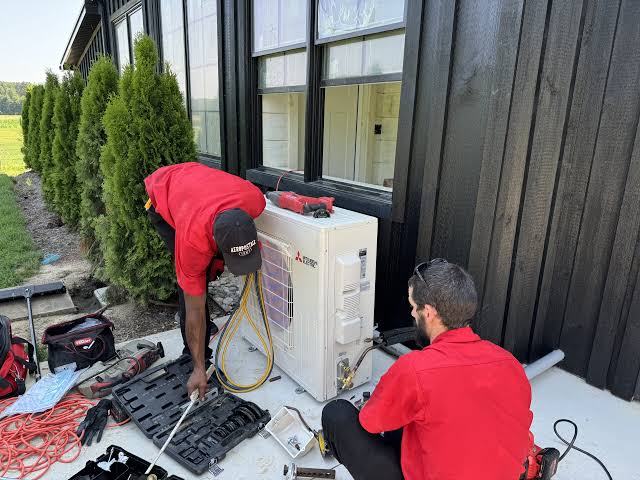
Investing in professional heater installation helps ensure that essential components are configured appropriately, safety requirements are addressed, and equipment performance is evaluated before regular household use begins.
Heating installation may involve electrical connections, ductwork adjustments, thermostat configuration, equipment placement, and ventilation assessments.
Fuel-burning systems require additional attention to combustion safety and exhaust arrangements.
These responsibilities demand appropriate technical knowledge and specialized equipment.
Imagine purchasing an energy-efficient furnace only to discover that certain rooms remain uncomfortable because existing ductwork problems weren’t addressed during installation.
Such situations demonstrate why workmanship matters just as much as equipment quality.
Experienced technicians should follow manufacturer specifications, perform appropriate operational checks, and explain how the new system works.
Homeowners should also receive information about recommended maintenance schedules, filter replacements, and applicable warranty conditions.
Understanding these details from the beginning can make operating and maintaining your heating equipment considerably easier.
Planning a Heating Installation Without Unnecessary Complications
Replacing a heater doesn’t have to disrupt your household more than necessary. Good preparation and transparent communication can make the entire process more manageable.
Reliable heating unit installation services typically involve evaluating the property, discussing suitable equipment options, preparing installation locations, and completing necessary system testing.
Before work begins, homeowners should understand what’s included in the installation estimate.
Will the existing equipment be removed? Does the ductwork require modifications? Are electrical upgrades necessary? Will additional materials influence the final project cost?
These questions are worth discussing early.
Equipment accessibility is another consideration that occasionally gets overlooked. Heating components should be positioned so qualified technicians can perform future maintenance and inspections without unnecessary difficulty.
For Fort Mohave homeowners considering a heat pump, existing cooling requirements should also form part of the discussion because these systems can provide both heating and air conditioning.
A carefully planned installation helps reduce unexpected complications while establishing a solid foundation for long-term equipment performance.
Exploring Different Residential Heating Technologies
Homeowners have several options when choosing modern heating equipment. Understanding their differences can make the purchasing process less complicated.
Common residential heating systems include:
- Gas furnaces: Generate heat through fuel combustion and generally distribute warm air through ductwork.
- Electric furnaces: Use electrical heating elements to produce warmth without requiring fuel combustion.
- Heat pumps: Transfer heat and can provide both heating and cooling.
- Ductless mini-split systems: Offer targeted temperature control in individual rooms or designated areas.
Each technology has advantages and limitations depending on property characteristics, utility rates, installation requirements, and household preferences.
For homes in relatively mild winter climates, heat pumps may offer practical year-round temperature control.
However, existing infrastructure and anticipated operating expenses should influence the final decision.
Recognizing When Your Existing Heater Needs an Upgrade
It’s not always easy to determine whether an older heating system should be repaired or replaced.
Recurring mechanical failures, uneven indoor temperatures, unfamiliar operating noises, and increasing energy expenses may indicate that your equipment needs professional attention.
An isolated component failure might be resolved through a straightforward repair. However, repeatedly investing in deteriorating equipment could become financially impractical.
Ask a qualified technician to evaluate the system’s overall condition, previous repair history, and anticipated future maintenance requirements.
Comparing these findings with the cost of installing modern equipment can help you make a more informed decision.
Maintaining Your Heating Investment After Installation
Once your new heating system is operating, consistent maintenance becomes important for preserving its performance.
Replace accessible air filters according to manufacturer recommendations, keep indoor vents unobstructed, and arrange periodic professional inspections.
Pay attention to unusual sounds, inconsistent heating, or unexpected changes in energy consumption.
Addressing developing concerns early may help reduce certain avoidable repairs and unnecessary equipment strain.
Regular servicing cannot prevent every mechanical failure, but it can support reliable long-term operation.
Enjoying Dependable Warmth Throughout the Cooler Months
A comfortable home shouldn’t require constant thermostat adjustments or repeated concerns about heating equipment failures.
For Fort Mohave homeowners, investing in appropriately sized equipment, experienced installation professionals, and consistent maintenance offers a practical approach to dependable winter comfort.
Take time to compare heating technologies, understand installation requirements, and select equipment that fits your household budget.
After all, a new heating system is more than a mechanical upgrade. It’s an investment in everyday convenience, energy efficiency, and the welcoming warmth that makes your house feel like home.