Better Water at Home: Practical Solutions for Cleaner, More Reliable Plumbing
Water is something most of us take for granted until it starts causing trouble. Maybe soap no longer lathers properly in the shower, white spots keep appearing on glassware, or the water from the kitchen tap has an unpleasant taste. Sometimes, the signs are less obvious. Appliances wear out sooner than expected, faucets develop stubborn…
Water is something most of us take for granted until it starts causing trouble. Maybe soap no longer lathers properly in the shower, white spots keep appearing on glassware, or the water from the kitchen tap has an unpleasant taste. Sometimes, the signs are less obvious. Appliances wear out sooner than expected, faucets develop stubborn deposits, or a previously reliable water supply begins to change.
These everyday frustrations can have different causes, and the right solution depends on understanding what’s happening inside your plumbing system. Water quality improvements, regular maintenance, and timely pipe repairs can all make a noticeable difference. The trick is knowing which problem you’re trying to solve before spending money on equipment or repairs.
Understanding What’s Really in Your Water
Water that looks perfectly clear isn’t necessarily free from minerals or other unwanted substances. Depending on its source and how it’s treated, household water may contain dissolved minerals, sediment, chlorine, or naturally occurring compounds that affect its taste, smell, and performance around the home.
Also read: How Water Softening Can Make Everyday Home Care Easier
Hard water is a particularly common concern. It contains elevated levels of calcium and magnesium, which can leave deposits on showerheads, faucets, kettles, and other surfaces. Those deposits are more than an appearance issue. Over time, mineral buildup can affect water-using appliances and make routine cleaning more difficult.
Other concerns require a different approach. A strong chlorine taste may be related to municipal disinfection, while sediment could enter through the supply or develop because of problems within the plumbing system. Neither situation automatically means the water is unsafe, but persistent changes deserve attention.
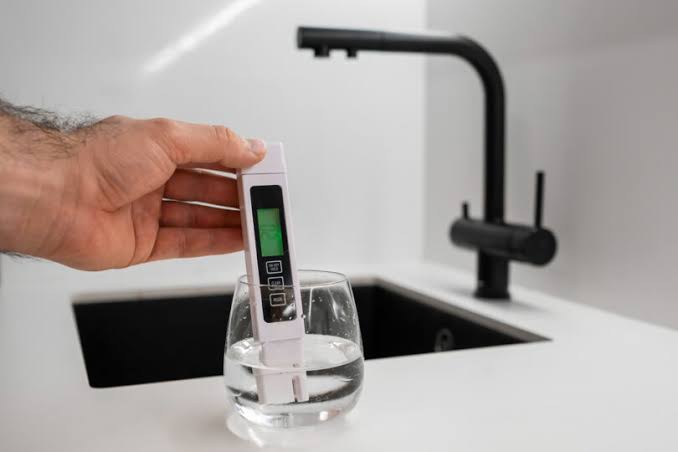
A water test is a sensible starting point. It can help identify hardness and other measurable characteristics, allowing homeowners to choose equipment based on actual results instead of guesswork. If there’s a concern about drinking-water safety, use an appropriate certified laboratory or consult the local water utility for reliable testing guidance.
Also read: Making Better Water Choices: Simple Ways to Improve Water Quality at Home
When a Water Softener Makes Sense
Hard water can be frustrating in surprisingly ordinary ways. Soap scum builds up around the bathtub, towels feel stiff after washing, and cleaning the kitchen sink becomes a never-ending task. You may also notice that faucets need more frequent cleaning because of chalky mineral deposits.
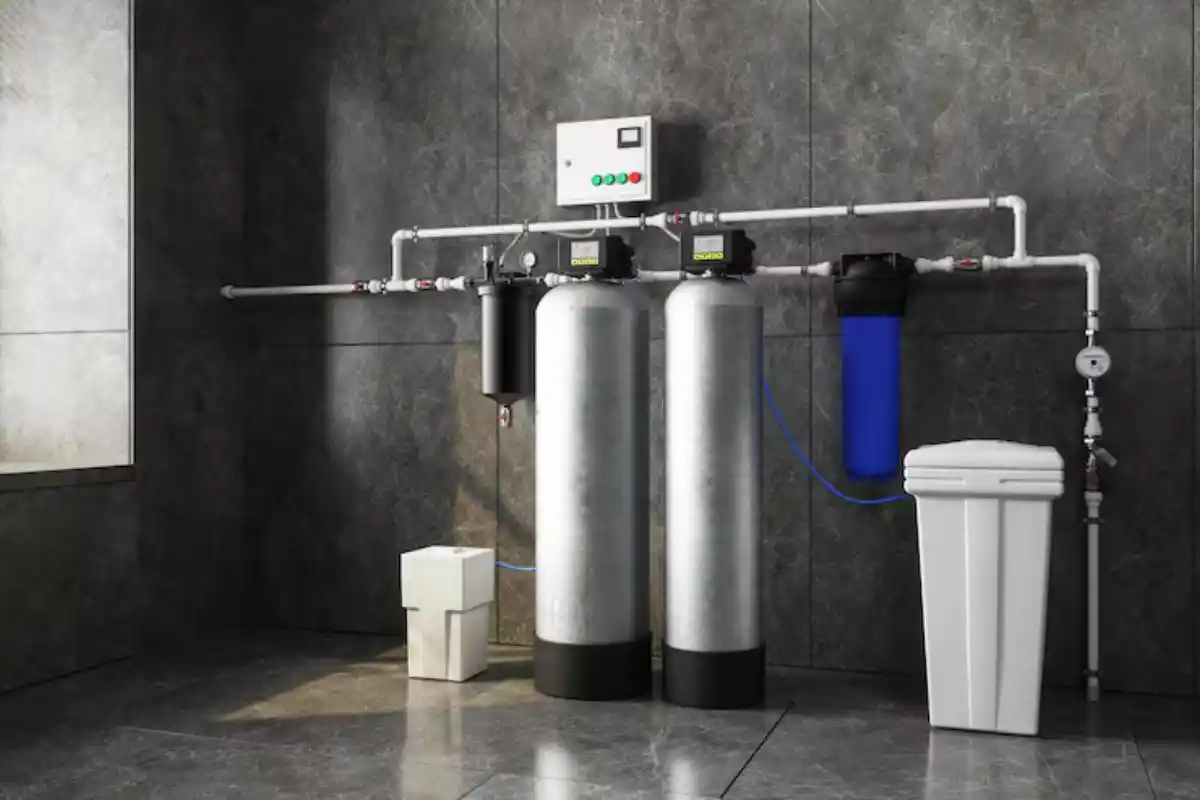
A water softener is designed to reduce hardness minerals, commonly through an ion-exchange process that replaces calcium and magnesium ions with sodium or potassium ions. The result is softer water that generally produces less scale and allows soap to work more effectively.
However, a softener isn’t a universal water-treatment solution. It doesn’t automatically remove every contaminant, and it shouldn’t be purchased as a substitute for testing. Households that already have relatively soft water may not benefit enough to justify the cost.
Also read: Why Comprehensive Water Services Begin with Accurate Water Testing
Proper water softener installation starts with checking water hardness, household water usage, available space, drainage access, and the system’s capacity. A unit that’s too small may regenerate too frequently, while an unnecessarily large system can increase initial costs and waste resources.
Homeowners should also understand ongoing maintenance. Many conventional softeners require salt replenishment, and some systems need periodic servicing. If someone in the household follows a sodium-restricted diet, discuss the potential implications of sodium added during softening with a healthcare professional. Depending on the situation, an alternative arrangement for drinking water may be appropriate.
Choosing a Water Filtration System
Filtration is often discussed alongside softening, but the two processes serve different purposes. A softener primarily addresses hardness. A filtration system targets particular substances according to the technology and filter media used.
Also read: When Your Water System Needs Attention, Getting the Right Help Matters
For instance, activated carbon filters can reduce chlorine taste and odor when the product is appropriately designed and certified for that purpose. Sediment filters capture suspended particles, while reverse osmosis systems can reduce certain dissolved substances. No single filter removes everything, so the specific performance claims matter.
Before purchasing equipment, read the manufacturer’s specifications carefully. Look for independent certification relevant to the contaminants you want to reduce, such as standards from NSF or another recognized certification organization. Check the filter’s rated capacity, replacement schedule, flow rate, and operating costs, too.
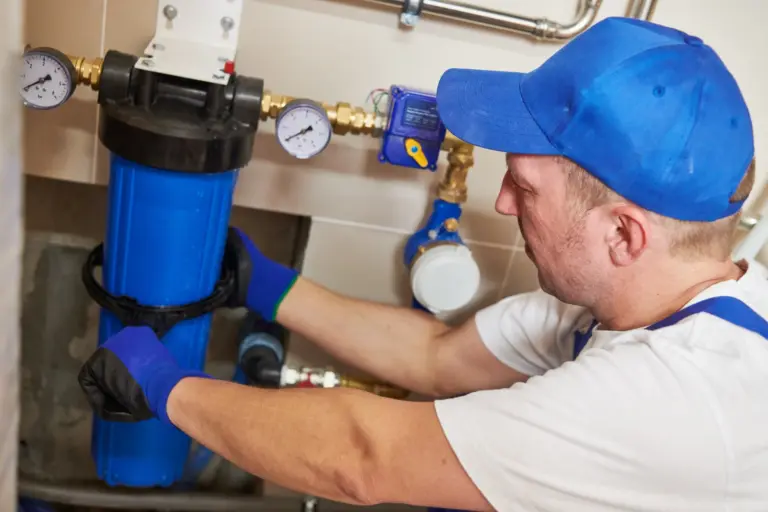
A professional water filtration system installation should begin with a clear understanding of the water source and the household’s needs. A kitchen drinking-water filter may be sufficient for a taste concern, whereas a whole-house system may be more suitable when a specific issue affects multiple taps.
Placement also matters. Filters need appropriate connections, enough space for cartridge changes, and access for future maintenance. Reverse osmosis systems may require a storage tank, dedicated faucet, and drain connection, depending on the design. Planning these details early helps prevent an installation that looks good on day one but becomes inconvenient later.
It’s worth remembering that filtered water still needs maintenance. A neglected cartridge can restrict flow and may no longer perform as intended. Following the manufacturer’s replacement schedule is part of getting the value you paid for.
Don’t Overlook the Condition of Your Water Lines
Sometimes, the problem isn’t the water-treatment equipment at all. The pipes carrying water into the house may be old, damaged, corroded, or affected by shifting soil. These issues can lead to unexplained moisture, pressure changes, recurring leaks, or unusually high water bills.
A small leak can be deceptive. You might see only a damp patch near the foundation or notice that one section of the garden stays wet even when it hasn’t rained. In other cases, the warning signs are more obvious: water pooling near the property, discolored water, or a sudden loss of pressure throughout the house.
When these symptoms appear, waterline replacement or repair may be necessary, depending on the location, material, age, and extent of the damage. A plumber can inspect the affected line and determine whether a localized repair will solve the problem or whether replacing a longer section is the more practical choice.
The cheapest immediate fix isn’t always the least expensive option over time. If a pipe has several weak areas or keeps leaking after repeated repairs, replacement may provide better long-term reliability. On the other hand, a sound pipe with one isolated damaged section may not need extensive work.
Ask the contractor to explain the findings and available options. It can also help to request a breakdown of labor, materials, excavation if needed, and restoration work. Clear estimates make it easier to compare proposals and understand what you’re paying for.
Small Maintenance Habits Can Prevent Bigger Problems
You don’t need to become a plumbing expert to take better care of your home’s water system. A few straightforward habits can help you catch problems before they become expensive.
Check beneath sinks and around water-using appliances periodically. Look for corrosion, loose fittings, damp cabinet floors, or signs of previous leaks. Pay attention to changes in water pressure and keep an eye on the water meter if your bill suddenly rises without a clear explanation.
Water-treatment systems deserve the same attention. Replace filters according to the manufacturer’s instructions, maintain softeners as recommended, and arrange professional service when performance changes. Don’t ignore unusual noises, persistent leaks, or water that suddenly looks or smells different.
If your home has older plumbing, ask a qualified plumber whether the pipe material and condition warrant closer inspection. Local water conditions and building age can influence which problems are most likely to develop.
Make Water Quality a Long-Term Investment
Better water doesn’t always require a complicated or expensive overhaul. Sometimes, a properly selected filter solves a taste issue. In another home, a softener may reduce troublesome scale, while damaged supply pipes may require repair before any treatment equipment can work reliably.
Start by identifying the problem, testing the water when appropriate, and comparing solutions that directly address the results. Consider installation costs, maintenance requirements, product certifications, and long-term performance rather than choosing equipment based on marketing claims alone.
With informed decisions and consistent upkeep, homeowners can protect plumbing fixtures, improve everyday comfort, and reduce avoidable repair costs. Good water management isn’t about buying every available product. It’s about finding the right solution for your home and making sure it continues to do its job.