Better Water Starts with the Right Filtration System for Your Home
Water is one of those things we rarely think about until something seems wrong. Perhaps the water has an unusual smell, a glass looks cloudy after filling, or stubborn stains keep appearing around the sink. Sometimes the problem is less obvious, showing up as mineral buildup on fixtures or water that simply doesn’t taste the…
Water is one of those things we rarely think about until something seems wrong. Perhaps the water has an unusual smell, a glass looks cloudy after filling, or stubborn stains keep appearing around the sink. Sometimes the problem is less obvious, showing up as mineral buildup on fixtures or water that simply doesn’t taste the way it should. Whatever the signs, improving water quality begins with understanding what’s actually in your water and choosing a solution that fits your household.
There isn’t one filtration system that solves every water problem. Different homes have different water sources, plumbing conditions, and treatment needs. That’s why a little investigation before buying equipment can save money, reduce frustration, and lead to better results over time.
Why Every Home Has Different Water Needs
Water quality can vary considerably from one neighborhood to another. Homes supplied by municipal water may receive treated water that still contains chlorine for disinfection. Private wells, meanwhile, can have issues involving iron, manganese, sediment, hardness, or other naturally occurring substances. Even nearby properties can experience different conditions because of their water sources and plumbing.
Also read: How Water Softening Can Make Everyday Home Care Easier
The first step is to identify the problem rather than assume every concern requires the same equipment. Hard water, for example, contains elevated levels of calcium and magnesium. These minerals can leave deposits on showerheads, reduce soap lather, and make cleaning feel like a never-ending chore. Sediment may cause visible particles, while certain dissolved substances can affect taste, odor, or appearance.
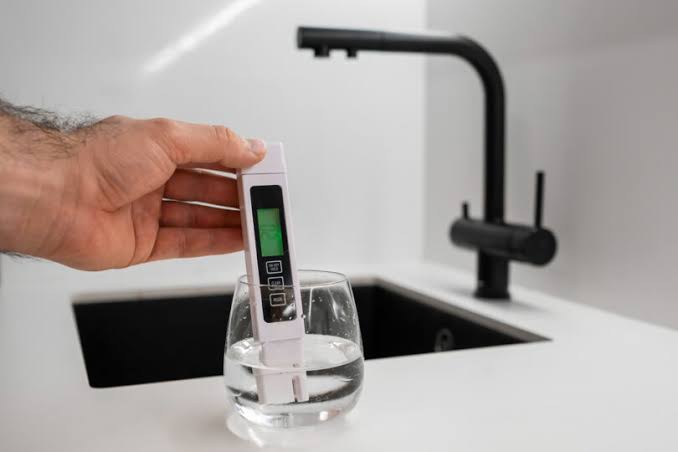
A professional water test provides a clearer picture. It can help determine which contaminants or minerals are present and whether treatment is necessary. Once the results are available, selecting an appropriate system becomes much more straightforward.
When Standard Filtration Isn’t Enough
A basic filter can be useful, but it may not address every water concern throughout a property. Some households need a combination of treatments because their water has several distinct issues. For instance, a home might experience hard water, noticeable chlorine taste, and iron staining at the same time.
Also read: Better Water at Home: Practical Solutions for Cleaner, More Reliable Plumbing
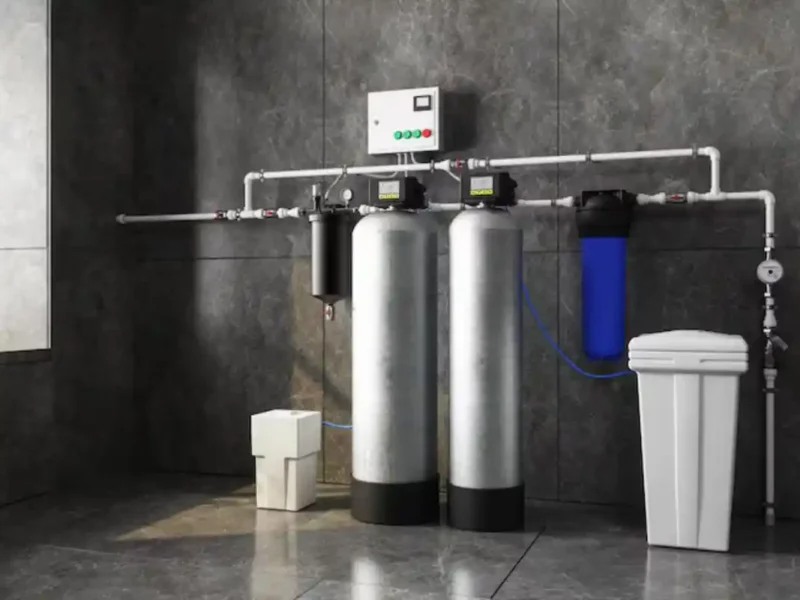
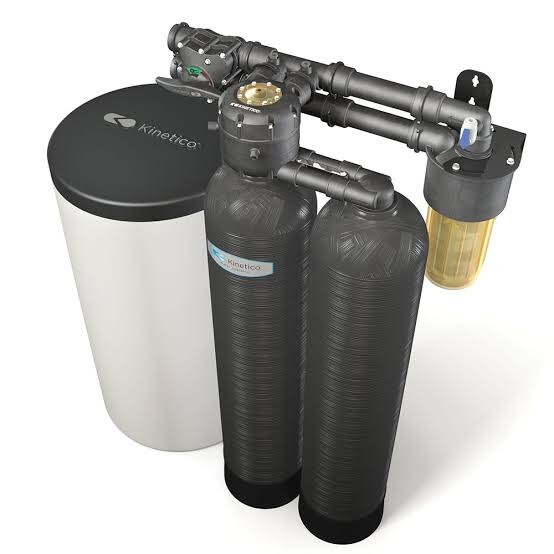
This is where whole house specialty systems can become an important part of a broader water treatment plan. These systems are designed around specific water conditions and household requirements, rather than relying on a single general-purpose filter. Depending on test results, a treatment setup might include sediment filtration, specialized media, carbon filtration, or equipment designed to manage particular minerals.
Whole-house treatment is especially useful when the concern affects multiple taps, showers, appliances, and other water outlets. Instead of addressing the issue at one sink, the system treats water as it enters the home. The exact configuration matters, though. Equipment should be selected according to the problem it is intended to solve, not simply because it has an impressive list of features.
Reducing Chlorine Taste and Odor
Chlorine plays an important role in municipal water treatment. It helps control harmful microorganisms as water travels through the distribution system, which is essential for public health. Still, some people dislike the taste or smell that remains when they turn on the kitchen tap or take a shower.
Also read: Making Better Water Choices: Simple Ways to Improve Water Quality at Home
A carbon-based filtration system may help reduce chlorine and improve the overall sensory experience of water. The right filter depends on the water chemistry, the amount of water being used, and the specific substances the equipment is designed to remove.
For households primarily concerned about chlorine, a dechlorinator may be worth considering. This type of treatment is intended to reduce chlorine in water, but the method and capacity vary between products. Some systems use specialized filter media, while others rely on different treatment approaches. It’s important to check the manufacturer’s specifications and confirm that the equipment is suitable for the home’s flow rate and intended use.
One detail often overlooked is maintenance. Filter media has a working capacity, and performance can decline when it becomes exhausted or isn’t serviced according to recommendations. Keeping track of replacement intervals helps ensure that the system continues doing its job.
Also read: Why Comprehensive Water Services Begin with Accurate Water Testing
Understanding Backwashing Filtration Systems
Not every filtration system works by trapping particles in a disposable cartridge. Some use a tank filled with specialized media that treats water as it passes through. Over time, the media bed may accumulate trapped sediment or require cleaning to maintain effective operation.
A backwashing system periodically reverses the flow of water through the tank. This process helps loosen and flush accumulated material from the media, allowing the equipment to continue operating as intended. Depending on the media and system design, backwashing may also help maintain the bed’s condition.
A macrolite backwashing filter is one option homeowners may encounter when exploring filtration for certain water conditions. Macrolite media is commonly associated with filtration applications involving suspended particles and turbidity, although suitability depends on the specific system and water characteristics. It shouldn’t be assumed to remove every dissolved contaminant or solve unrelated problems such as hardness or chlorine by itself.
Before installation, a water professional should evaluate the incoming water, expected flow rate, and backwash requirements. The home must have suitable drainage, and the plumbing needs to support the system’s operating demands. A filter that is incorrectly sized may struggle during periods of high water use, while inadequate backwashing can affect performance.
Choosing Equipment That Fits Your Household
The right system should suit both the water quality and the way your family uses water. A small household with modest water demand may have different requirements from a larger family running several showers, laundry loads, and appliances throughout the day.
Consider these practical questions before making a decision:
- What does the water test show? Identify the specific minerals, particles, or contaminants that need attention.
- Where is the problem noticeable? One drinking-water tap may need a different solution from an issue affecting every bathroom and appliance.
- How much water does the household use? System capacity and flow rate influence performance during busy periods.
- What maintenance is required? Ask about filter replacements, media lifespan, cleaning cycles, salt requirements where applicable, and service costs.
- Does the installation suit the property? Available space, plumbing connections, drainage, and water pressure can all affect the final setup.
It’s also wise to understand what a system does not remove. A filter marketed for sediment reduction, for example, shouldn’t automatically be considered effective against bacteria, dissolved metals, or chemical contaminants. If drinking-water safety is the concern, choose equipment certified or independently tested for the specific reduction claims that matter to you.
Don’t Overlook Regular Maintenance
Even well-designed treatment equipment needs attention. Filters become loaded with material, media has a service life, and mechanical components can wear over time. Backwashing systems require their cycles to function properly, while cartridge-based filters need replacement according to the manufacturer’s guidance and actual water conditions.
Keep a simple record of installation dates, service visits, and replacement parts. It doesn’t need to be complicated; a note on your phone can be enough. If water quality changes suddenly, the system begins making unusual noises, or water pressure drops noticeably, arrange an inspection rather than assuming the equipment is working normally.
Routine maintenance is often less expensive than allowing a small issue to become a larger one. It also helps homeowners understand how their equipment performs over the years.
A Practical Approach to Better Water
Better water doesn’t necessarily mean buying the most expensive system or installing several filters at once. It means identifying the actual problem, understanding the available solutions, and choosing equipment that can address those needs reliably.
Start with a proper water assessment. Discuss the results with a qualified water treatment professional, compare suitable options, and ask clear questions about performance, maintenance, and long-term operating costs. A well-matched system can make everyday tasks more comfortable, protect plumbing and appliances where appropriate, and improve the experience of using water throughout the home.
In the end, good water treatment is less about chasing a perfect-sounding product and more about making an informed decision. When the solution matches the water, the benefits are far more likely to last.