How Water Softening Can Make Everyday Home Care Easier
A clean bathroom can take more effort than it should. You wipe the taps, polish the shower screen, and scrub away the white marks around the sink. Everything looks good for a day or two, then those familiar deposits return. The same thing happens with cloudy glasses, soap that barely lathers, and laundry that feels…
A clean bathroom can take more effort than it should. You wipe the taps, polish the shower screen, and scrub away the white marks around the sink. Everything looks good for a day or two, then those familiar deposits return. The same thing happens with cloudy glasses, soap that barely lathers, and laundry that feels a little rough after washing.
If these problems sound familiar, hard water could be contributing to them. It contains dissolved minerals that can leave deposits behind and interfere with the way soaps and detergents work. Although hard water is not automatically a health concern, it can create ongoing maintenance headaches. Understanding what causes these issues is the first step toward deciding whether water softening makes sense for your home.
Why Hard Water Leaves Mineral Deposits
Hardness mainly comes from calcium and magnesium dissolved in water. These minerals are naturally present in many groundwater supplies, particularly where water passes through limestone and other mineral-rich rock. Depending on the local source, a home may receive relatively soft water or water with a much higher mineral concentration.
Also read: Better Water at Home: Practical Solutions for Cleaner, More Reliable Plumbing
When hard water dries on a surface, some of its dissolved minerals can remain behind. Repeated exposure may create a stubborn layer around faucets, showerheads, kettles, and other fixtures. Heat can make scale formation particularly noticeable in appliances such as water heaters.
Regular cleaning helps remove deposits, but it doesn’t change the mineral content of the water itself. That’s why the same marks may keep coming back even when you use good cleaning products and maintain a consistent routine.
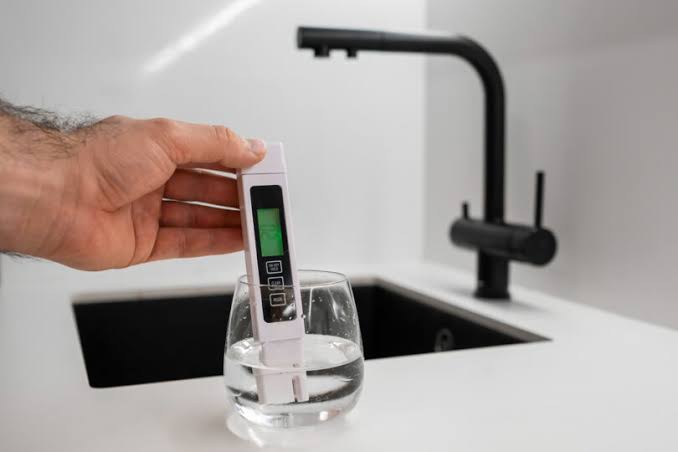
A hardness test can help establish whether minerals are responsible. It is a practical starting point before investing in equipment, because stains can also come from iron, sediment, or other water-quality issues that require a different approach.
Also read: Making Better Water Choices: Simple Ways to Improve Water Quality at Home
Protecting Plumbing and Water-Using Appliances
Mineral scale is more than a cosmetic annoyance. Depending on its severity and where it forms, it can interfere with the performance of certain plumbing fixtures and appliances. Deposits may narrow small openings in showerheads, restrict water flow, or accumulate on surfaces that regularly heat water.
A correctly sized and maintained softener prevents scale buildup caused by hardness minerals by reducing the calcium and magnesium in treated water. This can help limit new deposits in suitable applications, although it will not remove every type of existing stain or prevent all plumbing problems.
If your water heater has developed heavy scale, a softener may help reduce further mineral accumulation, but it may not remove deposits already present inside the unit. Existing scale may need to be addressed according to the appliance manufacturer’s guidance. Never assume that installing a softener will fix an unrelated plumbing fault.
Also read: Why Comprehensive Water Services Begin with Accurate Water Testing
It is also important to choose the right treatment for the issue. A softener reduces hardness; it does not automatically remove bacteria, arsenic, nitrate, or every other contaminant. If you suspect a broader water-quality problem, testing should guide the treatment decision.
Why Soap and Detergent Behave Differently
Have you ever used a generous amount of soap and still felt as though it wasn’t rinsing properly? Hard water can make this experience more common. Calcium and magnesium interact with soap, reducing lather and contributing to a film that may cling to surfaces.
This is one reason water softening can make cleaning feel easier. With less hardness present, soap and some detergents may work more effectively, meaning you may not need to use as much product for certain tasks. The exact difference depends on your cleaning products, water conditions, and household habits.
Also read: When Your Water System Needs Attention, Getting the Right Help Matters
Softening can also reduces soap scum, spots, and residue when the treatment is working as intended. You may find fewer cloudy marks on glassware and less soap film around a bathtub or shower. Still, other factors matter. Dishwasher settings, detergent quality, rinse aids, and how dishes are dried can all affect the final result.
A softener isn’t a replacement for basic cleaning, of course. It simply changes one factor that may be making those chores harder than necessary.
What About Skin and Hair?
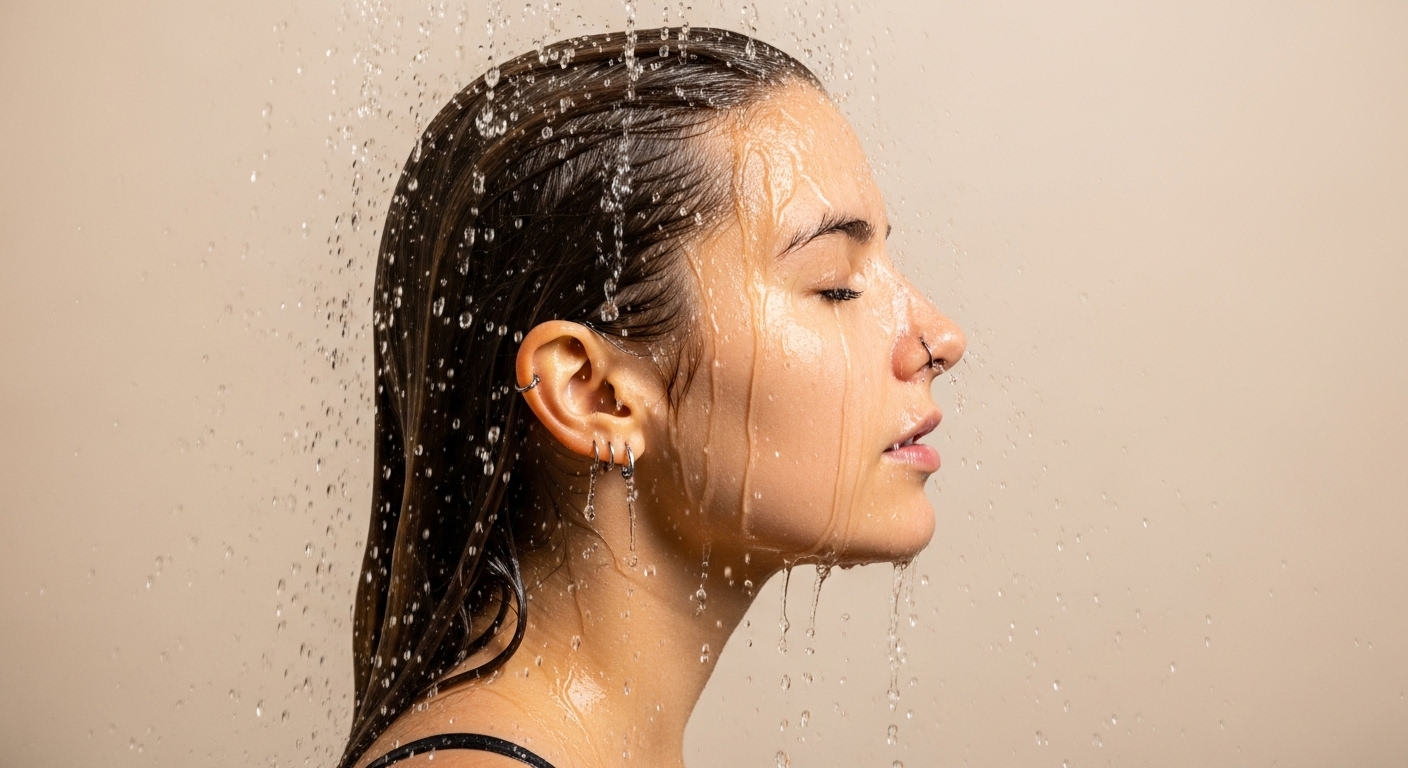
Many people associate hard water with skin that feels tight after showering or hair that seems difficult to rinse. Mineral deposits and interactions with personal-care products may contribute to the experience for some individuals, but the relationship is not the same for everyone.
Some households report softer skin and hair after installing a water softener. Others notice little difference. Skin dryness can be caused by hot showers, cold weather, harsh cleansers, eczema, or other factors, while hair texture is influenced by hair type and the products being used.
If your skin feels uncomfortable after bathing, consider a few straightforward changes first. Use lukewarm rather than very hot water, choose a gentle cleanser, and apply a fragrance-free moisturizer after showering. If irritation persists or becomes severe, seek advice from a healthcare professional rather than relying on water treatment alone.
Testing the water hardness can help you understand whether softening is worth considering, but it cannot diagnose a skin or scalp condition.
Choosing a Water Softener That Fits Your Home
Before comparing products, establish the actual hardness level and estimate how much water your household uses. These details help determine the system’s required capacity. A unit that is too small may regenerate frequently, while a system that is larger than necessary can add cost without a meaningful benefit.
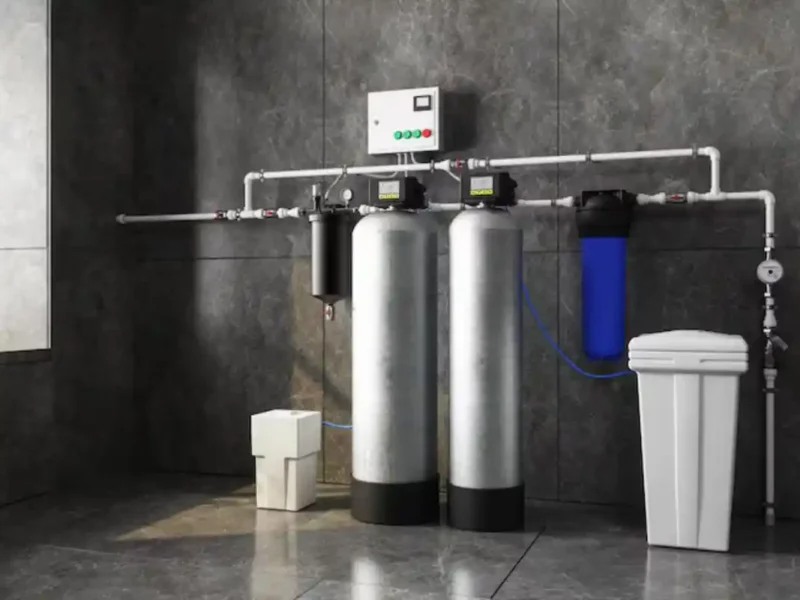
Traditional salt-based softeners use an ion-exchange process to replace hardness minerals with sodium or, in some models, potassium. They are a common choice for homes with significant hardness throughout the plumbing system. Other products marketed as salt-free conditioners work differently and should not be assumed to remove hardness minerals in the same way.
Think about where the problem occurs. If scale affects multiple bathrooms, laundry equipment, and the water heater, a whole-house solution may be appropriate. If your main concern is drinking-water taste, a separate filtration system may be more relevant. A softener is not designed to solve every drinking-water concern.
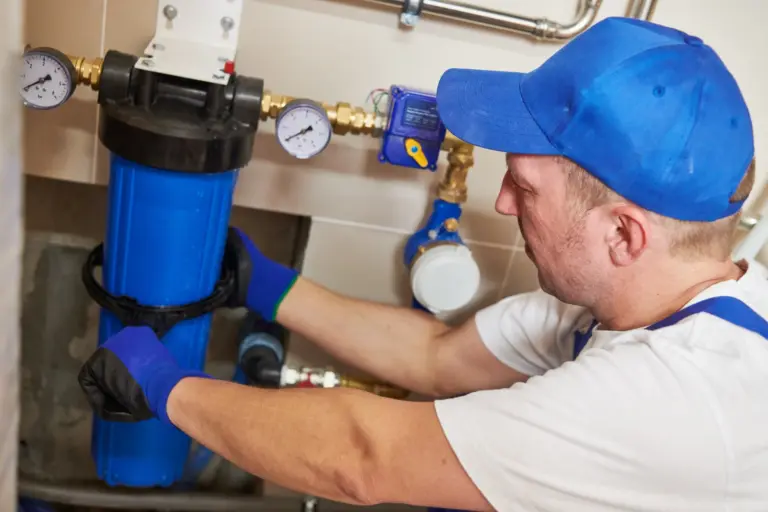
Ask potential installers to explain the test results, recommended capacity, installation requirements, and ongoing costs. A good recommendation should be based on your water and household needs—not pressure to buy the most expensive model.
Maintenance Matters More Than You Might Think
A water softener needs regular attention to keep performing well. Salt-based units generally require salt replenishment, periodic checks of the brine tank, and occasional servicing. They also use water during regeneration, with consumption varying by system design and settings.
Check the manufacturer’s instructions and keep track of maintenance dates. If hardness begins returning, the system may need servicing, a setting adjustment, or a closer look at its salt supply. Routine checks are easier than waiting until scale becomes noticeable again.
Remember that softening can increase sodium in the treated water. If you follow a medically prescribed sodium restriction, discuss suitable options with a healthcare professional and a water-treatment specialist. Some homes may benefit from keeping a separate unsoftened tap for drinking and cooking.
A Simpler Approach to Everyday Cleaning
Hard water can make routine home care more frustrating, but the right solution starts with understanding the cause. A hardness test can confirm whether minerals are behind recurring deposits, soap residue, and appliance scale.
If testing shows that hardness is a meaningful problem, a suitable softener may help reduce new mineral deposits and make certain cleaning tasks easier. Consider the system’s capacity, maintenance needs, operating costs, and limitations before making a purchase.
You don’t need to chase every new product or promise. Start with reliable information, choose treatment that matches your water, and maintain the equipment properly. Sometimes, making home care simpler begins with something as ordinary—and as important—as understanding what’s coming out of the tap.