Water is something most households use without giving it much thought. We turn on the tap, fill a glass, start the washing machine, or take a shower, expecting the water to be clean and dependable. Usually, it is. But when strange odors, mineral stains, unusual tastes, or plumbing problems appear, it becomes clear how much daily life depends on water quality.
The challenge is that water problems are not always easy to identify. Clear water may still contain unwanted substances, while an unpleasant taste does not automatically mean the water is unsafe. This is why homeowners need more than a quick visual check or a generic filter recommendation. A thoughtful approach begins with understanding the water itself and then selecting treatment based on real results.
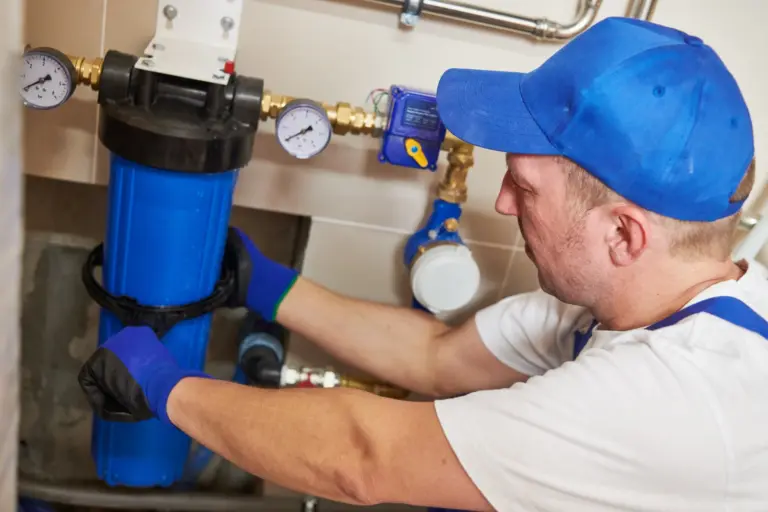
That is where comprehensive water services can provide valuable support. These services may include water testing, treatment recommendations, system installation, maintenance, filtration, softening, and follow-up inspections. Instead of treating every home the same way, a complete service approach looks at the property’s specific water conditions and household needs.
Why Water Quality Can Vary from Home to Home
Water quality is influenced by several factors, including the water source, local geology, plumbing materials, storage tanks, and treatment processes. Homes connected to municipal supplies may experience chlorine taste, sediment, or changes caused by distribution lines. Private wells can have concerns involving hardness, iron, sulfur, bacteria, nitrates, or naturally occurring minerals.
Even neighboring properties may have different experiences. One home might struggle with hard water and scale, while another may notice a metallic smell or cloudy appearance. The difference could come from plumbing, well depth, filtration equipment, or changes in the local water supply.
Water quality can also change over time. Seasonal rainfall, construction, flooding, plumbing repairs, or aging infrastructure may affect what enters the water system. A test performed several years ago may not accurately represent current conditions, especially when the water source or household plumbing has changed.
The Importance of Professional Water Testing
Before investing in treatment equipment, homeowners should consider water testing. Testing provides information that appearance, taste, and smell cannot reliably offer. It can help identify the substances present in the water and determine whether treatment is necessary.
Depending on the water source and local concerns, a test may examine hardness, pH, chlorine, iron, manganese, total dissolved solids, bacteria, nitrates, lead, or other contaminants. The right panel depends on the property. A private well, for example, may require a different testing approach from a home connected to a regulated municipal supply.
Testing is also useful when a household notices a sudden change. If water begins smelling unusual or leaves new stains on fixtures, a laboratory report can help distinguish between a cosmetic issue and a concern that requires prompt attention.
The key is to avoid testing only for the substances a homeowner already suspects. A professional can help identify which tests are relevant based on the water source, local conditions, household complaints, and any previous results.
Why Third-Party Laboratory Testing Matters
In some situations, homeowners may prefer third-party lab water testing for an independent assessment. A third-party laboratory operates separately from the company selling treatment equipment, which can provide greater confidence that the results are not being shaped by a sales recommendation.
Independent testing can be particularly useful when a homeowner is comparing several treatment providers or wants confirmation of an earlier result. It may also be appropriate when there are concerns about a private well, a real-estate transaction, a suspected contamination event, or a health-related water issue.
However, the quality of the test depends on more than the laboratory’s name. Samples must be collected correctly, stored appropriately, and delivered within the required timeframe. Improper sampling can produce misleading results, even when the laboratory itself follows reliable procedures.
Homeowners should ask the laboratory about accreditation, testing methods, detection limits, sample instructions, and the substances included in the selected package. A basic water test may not cover every contaminant of concern, so the testing scope should be reviewed carefully.
Reading and Understanding a Water Report
Laboratory reports can appear complicated at first. They often include technical terms, measurement units, detection limits, and recommended reference levels. A qualified professional can help explain the results without turning every detected substance into a reason for alarm.
It is important to understand the difference between detection and danger. A report may identify a substance at a very low concentration, but the significance depends on the amount, exposure, applicable standards, and intended use of the water. Some substances primarily affect taste, odor, staining, or plumbing, while others may require more serious attention.
Homeowners should also check whether the report compares results with current regulatory or health-based guidelines. Guidelines can differ depending on the jurisdiction and whether the water is used for drinking, bathing, or other household purposes.
When a result exceeds a relevant standard, the next step should be practical and informed. That may involve retesting, contacting the water supplier, inspecting the well, or consulting a qualified water-treatment professional.
Matching Treatment to the Actual Problem
Once testing is complete, treatment decisions become much easier. Hard water may call for a water softener or scale-control system. Sediment may require a pre-filter. Chlorine taste and odor can often be addressed with activated carbon. Reverse osmosis may be considered for certain dissolved substances in drinking water, while ultraviolet treatment may be relevant for specific microbial concerns.
No single system removes every contaminant. A softener, for instance, is designed mainly to reduce hardness minerals. It should not be promoted as a universal solution for bacteria, chemicals, or all dissolved substances. Likewise, a carbon filter may improve taste but may not address every health-related contaminant.
A reliable provider should explain what the recommended system can reduce, what it cannot remove, how much water it can treat, and what maintenance will be required. If the recommendation does not connect clearly to the test results, homeowners should ask more questions before purchasing.
The Value of Installation and Ongoing Maintenance
Even the right treatment equipment can perform poorly if it is incorrectly sized or installed. Water pressure, flow rate, plumbing layout, household consumption, and incoming water chemistry all influence system performance.
Professional installation helps ensure that filters, tanks, valves, membranes, and disinfection units work as intended. It can also reduce the risk of leaks, pressure problems, and premature equipment failure.
Maintenance should not be overlooked. Filters need timely replacement, UV lamps have service lives, softeners require monitoring, and reverse osmosis membranes eventually need changing. A system that is not maintained may gradually lose effectiveness without showing an obvious warning.
Keeping records of water tests, installation dates, filter replacements, and service appointments makes the entire process easier. It also helps homeowners identify changes in performance before they become major problems.
Making a Confident, Informed Water Treatment Decision
Improving household water quality does not have to begin with expensive equipment or complicated promises. It should begin with information. Testing reveals what is present, laboratory analysis helps clarify the results, and professional guidance connects those findings to a practical treatment plan.
For homeowners, the goal should be more than water that simply looks clear. It should be water that is appropriate for its intended use, supported by reliable information, and managed with realistic expectations.
By combining accurate testing, independent analysis when appropriate, suitable treatment technology, and regular maintenance, households can address water concerns more effectively. The result may include better taste, fewer stains, improved appliance performance, and greater peace of mind. Most importantly, the process replaces guesswork with a clear understanding of what the water actually needs.