Making Better Water Choices: Simple Ways to Improve Water Quality at Home
The Difference Good Water Can Make Most of us turn on a tap without thinking twice. We fill a glass, rinse vegetables, start the washing machine, or step into the shower, trusting that the water will do what we need it to do. It’s only when something seems off—a strange taste, stubborn white deposits on…
The Difference Good Water Can Make
Most of us turn on a tap without thinking twice. We fill a glass, rinse vegetables, start the washing machine, or step into the shower, trusting that the water will do what we need it to do. It’s only when something seems off—a strange taste, stubborn white deposits on the faucet, or soap that refuses to lather properly—that water quality starts getting our attention.
The truth is, water affects more of our daily lives than we might realize. It influences how drinks taste, how clean our dishes look, and how much maintenance our plumbing requires. For homeowners, understanding what’s coming through the pipes can make everyday decisions easier and help prevent unnecessary spending on products that don’t address the real problem.
The goal isn’t necessarily to create the most elaborate water treatment setup available. It’s to find a practical way to enjoy clean, clear, and great-tasting water while meeting the needs of everyone in the household.
Also read: How Water Softening Can Make Everyday Home Care Easier
Start by Understanding Your Water
Before buying a filtration product, take a moment to consider the water you already have. Its quality can depend on the original source, local treatment processes, distribution pipes, and the plumbing inside your property. Two homes in the same neighborhood may even experience different issues because their pipes and fixtures aren’t identical.
Some common signs are easy to spot. White, chalky marks around taps and showerheads often point to hard water. A swimming-pool-like smell may indicate chlorine used during municipal treatment. Brown or reddish particles can sometimes suggest rust or sediment, although their cause should be investigated rather than assumed.
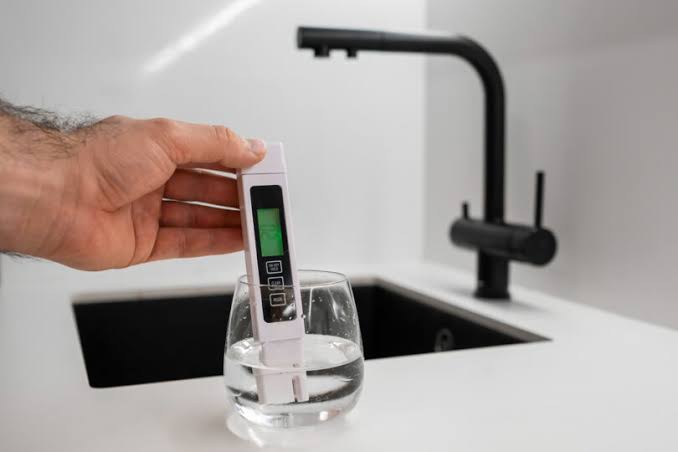
Other concerns aren’t so obvious. Certain dissolved contaminants cannot be reliably detected by looking at, smelling, or tasting water. That’s why testing is important, especially when a private well supplies the property. Municipal water customers can also review their local water quality report and arrange additional testing if they have concerns about their home’s plumbing.
Also read: Better Water at Home: Practical Solutions for Cleaner, More Reliable Plumbing
Once you understand the issue, choosing the right treatment becomes much more straightforward. You won’t need to rely entirely on advertising claims or pay extra for features that offer little benefit in your particular situation.
Treating Water Throughout the House
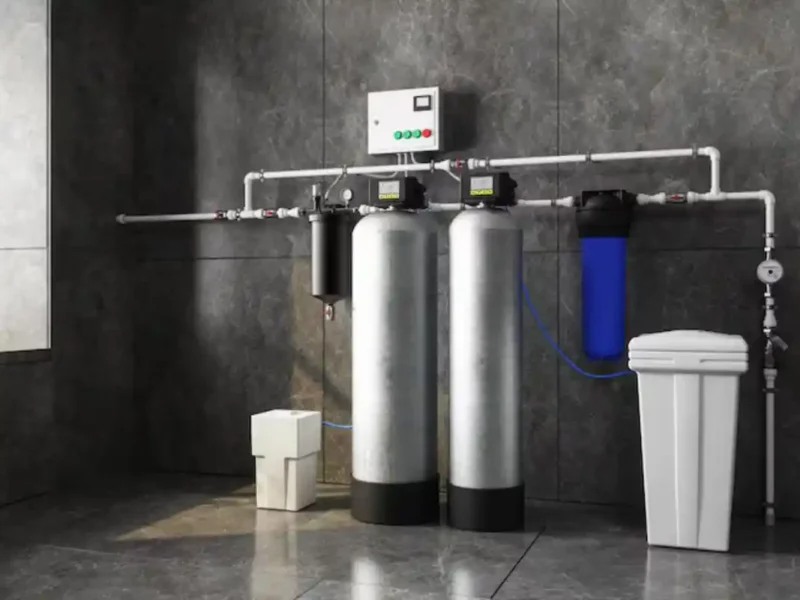
When water quality concerns extend beyond the kitchen sink, a whole-home approach may be worth considering. Whole house water filtration systems are typically installed at the point where the main water line enters the property, allowing treated water to flow to multiple taps and appliances.
The important thing to understand is that filtration isn’t one universal process. Different filter materials are designed to address different problems. Sediment filters capture suspended particles, while activated carbon can reduce chlorine taste and odor. Other specialized media may target particular substances when the system has been designed and tested for that purpose.
Also read: Why Comprehensive Water Services Begin with Accurate Water Testing
Imagine getting ready for work in the morning while someone else is showering and the washing machine is running. A properly sized system should accommodate normal household demand without creating an inconvenient drop in water pressure. Flow rate, pipe size, and the number of people living in the home all deserve attention before installation.
It’s also worth checking what a system does not remove. A basic carbon filter, for instance, shouldn’t be assumed to eliminate every dissolved contaminant or make microbiologically unsafe water safe to drink. Look for independent certifications and performance data that specifically cover the substances you want to reduce.
A little research at the beginning can save frustration later. The right system is the one that performs reliably under your home’s actual conditions, not necessarily the one with the longest list of features.
Also read: When Your Water System Needs Attention, Getting the Right Help Matters
Hard Water Requires a Different Approach
Filtration and water softening are often discussed together, but they solve different problems. Hardness comes mainly from dissolved calcium and magnesium. These minerals can leave deposits on glassware, shower screens, and taps, while scale may accumulate inside water heaters and other appliances.
A conventional water softener uses an ion-exchange process to reduce these minerals. For households with significant hardness, softening may make cleaning easier, reduce scale buildup, and help soap work more effectively. However, not every home needs one. Testing the water first helps determine whether the benefits justify the installation and ongoing maintenance costs.
Traditional salt-based softeners need periodic salt replenishment and regeneration. They can also increase sodium levels in softened water, depending on the original hardness. Households with specific dietary or plumbing concerns should discuss suitable arrangements with a qualified professional. In some cases, keeping a separate unsoftened drinking-water tap may be appropriate.
Salt-free conditioners are another option, but their operation differs from conventional softening. They may help manage scale under certain conditions without removing hardness minerals in the same way. Understanding that difference is essential when comparing products.
Better-Tasting Water for Drinking and Cooking
For many families, the kitchen is where water quality matters most. Water is used to make tea and coffee, prepare soups, wash produce, and fill bottles throughout the day. Even when water meets drinking standards, its taste or odor may not be especially pleasant.
Under-sink filtration can be a convenient choice when the main goal is improving drinking water without treating every outlet in the house. Activated carbon filters can reduce certain substances that affect taste and odor. Reverse osmosis systems can reduce many dissolved substances, although their effectiveness depends on the system and the specific contaminant.
If you’re comparing drinking-water systems, check the product’s verified reduction claims, cartridge replacement schedule, installation requirements, and ongoing costs. Reverse osmosis systems may also produce wastewater as part of their operation, so efficiency is another factor worth considering.
Be cautious of claims that suggest one type of water is automatically healthier simply because of its pH or mineral content. Safe drinking water, appropriate treatment, and a balanced diet matter more than marketing promises. A treatment product should have a clear purpose supported by reliable evidence.
Maintenance Makes the Investment Worthwhile
Buying water treatment equipment is only the beginning. Filters need replacing, softeners need servicing, and membranes have a limited useful life. When maintenance gets overlooked, performance can decline even if the equipment appears to be working normally.
Follow the manufacturer’s replacement schedule and keep a simple record of service dates. If water pressure changes suddenly or an unfamiliar taste or odor develops, investigate rather than assuming the system is still operating correctly. Depending on the equipment and water source, periodic testing may help confirm that treatment remains effective.
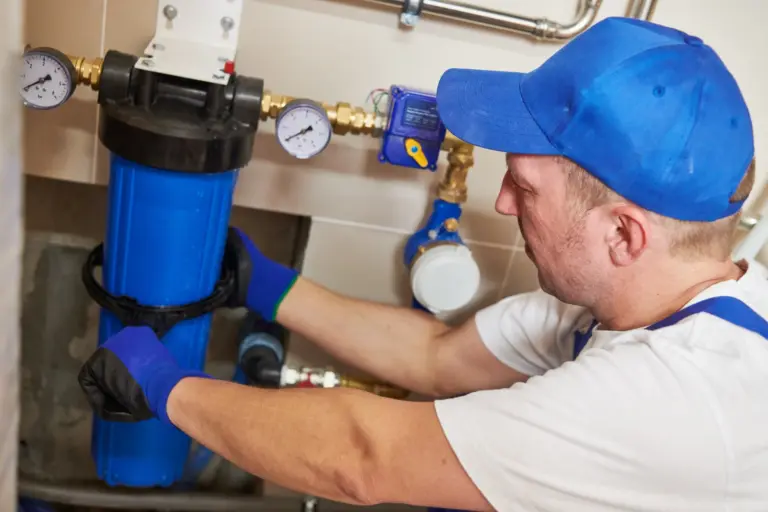
Installation matters, too. Equipment connected to the main supply may need careful plumbing work, drainage, or electrical connections. A qualified installer can help ensure the system is sized correctly and that its maintenance requirements are understood from the start.
Finding the Right Fit for Your Household
There isn’t one perfect water treatment solution for every property. Some homes need basic sediment filtration, while others may benefit from carbon filtration, softening, or a dedicated drinking-water system. The best choice depends on test results, household size, daily water use, available space, and budget.
Think beyond the purchase price. Replacement cartridges, salt, servicing, water consumption, and potential repairs all contribute to the long-term cost. A simpler system that solves the actual problem may be a better investment than a complicated setup with unnecessary features.
Reliable home solutions begin with understanding your needs and choosing technology that can meet them consistently. Ask questions, compare documented performance, and make sure replacement parts will be available when you need them.
Good water quality isn’t about chasing perfection. It’s about making sensible improvements that fit the way you live. With a little preparation and regular maintenance, homeowners can enjoy greater confidence in their water, fewer avoidable plumbing headaches, and a home that feels just a bit more comfortable every day.