



Blog

  • Why Regular Water Treatment Maintenance Matters More Than You Think

    Why Regular Water Treatment Maintenance Matters More Than You Think

    A water treatment system is one of those household investments you probably don’t think about very often. Once it’s installed and working, it sits quietly in the background while you get on with life.

    That’s exactly why maintenance gets forgotten.

    Months turn into years. A filter that should have been replaced last season is still sitting under the sink. A water softener starts behaving differently, but nobody is quite sure why. The drinking water tastes a little unusual, yet it’s easy to blame the change on the weather, the plumbing, or even the coffee.

    The thing is, water treatment equipment works best when it’s looked after. Regular maintenance isn’t just about protecting the equipment itself. It helps keep performance consistent and gives you an opportunity to catch small problems before they become expensive ones.

    Even Good Equipment Needs Attention

    Modern water treatment systems are designed to work reliably, but no system is completely maintenance-free.

    Filters collect the substances they’re designed to remove. Softener components experience normal wear. Reverse osmosis membranes gradually lose performance. Connections, valves, housings, and tanks may also need inspection over time.

    It’s a little like owning a car. You wouldn’t buy one and assume the engine never needs an oil change. Water treatment equipment deserves the same basic care.

    Routine maintenance can also help you understand whether the system is still doing what you originally installed it to do.

    Keeping Water Softeners Working Properly

    Water softeners are particularly useful in homes affected by hard water, but they aren’t appliances you can simply install and forget.

    Salt levels need to be checked regularly on traditional systems. Depending on the model and water conditions, the resin bed and control valve may also need attention.

    Signs of trouble can include increasing scale on fixtures, changes in water feel, unusually frequent regeneration, or salt that seems to disappear much faster than expected.

    Professional softener repair and inspections can help identify issues such as clogged components, incorrect settings, worn valves, or problems with regeneration. Sometimes the fix is surprisingly simple. Other times, a worn component needs replacement.

    Either way, finding the issue early is usually better than waiting until the system stops working completely.

    Don’t Ignore Your Reverse Osmosis System

    Reverse osmosis systems are popular for drinking and cooking water because they can reduce many dissolved substances. But their performance depends heavily on regular maintenance.

    The system typically contains several stages, such as sediment and carbon filters, followed by an RO membrane. Some models also include a final polishing filter or mineral stage.

    Every component has a purpose and a service interval.

    Regular filter changes and sanitation for ro systems can help keep the equipment performing properly and reduce the risk of neglect-related problems. The exact schedule depends on the system, water quality, and manufacturer’s recommendations.

    It’s tempting to wait until the water tastes strange before changing a filter. That’s not ideal. By then, the filter may already be well past its useful service life.

    Keep a simple replacement schedule instead. Put reminders on your phone if you have to. It takes less than a minute and can save a lot of guesswork.

    Sanitation Deserves Special Attention

    Filtration and sanitation aren’t exactly the same thing.

    A filter is designed to reduce particular substances, while sanitation involves maintaining hygienic conditions within the treatment equipment. Housings, storage tanks, tubing, and other components can require cleaning depending on the system.

    This is especially important for point-of-use drinking water equipment.

    If a system has been unused for an extended period, has developed an unusual odor, or has had maintenance work performed, proper cleaning may be appropriate.

    Always follow the manufacturer’s instructions or work with a qualified professional when you’re unsure about sanitation procedures. Using the wrong cleaning chemical or concentration can damage components.

    Watch for Changes in Water Quality

    Sometimes the most useful maintenance clue is simply that your water doesn’t seem the same anymore.

    Maybe the taste has changed. Perhaps there’s a new smell. Water pressure has dropped, or the water looks slightly cloudy.

    These changes don’t automatically mean the treatment system has failed, but they deserve attention.

    A water quality re-testing schedule can be particularly helpful for homes using private wells or dealing with changing source-water conditions. Testing can also be useful after major plumbing work, flooding, changes in the surrounding environment, or unexplained changes in water characteristics.

    Testing doesn’t have to be dramatic. Think of it as taking a snapshot of your water at different points in time. Those snapshots can reveal trends that aren’t obvious from day-to-day use.

    Keep an Eye on Water Pressure

    Water pressure is another useful clue that homeowners sometimes overlook.

    A clogged sediment filter can restrict flow. Fouled cartridges may cause pressure to drop gradually. Problems inside a softener or filtration unit can also affect how water moves through the system.

    If several faucets suddenly have weak pressure, the treatment system may not be the only possible cause. Plumbing issues, municipal supply changes, or other equipment could be involved.

    Still, checking the filtration equipment is a sensible part of the troubleshooting process.

    Don’t simply remove a filter and continue using the system indefinitely because the pressure improves. That may hide the underlying issue rather than solve it.

    Keep Maintenance Records

    This sounds boring, but it works.

    Write down when filters are replaced, when the softener is serviced, when an RO membrane is changed, and when water testing is performed.

    You don’t need a complicated spreadsheet. A note on your phone is enough.

    Records make it easier to spot patterns. If a filter normally lasts twelve months but suddenly needs replacement every four months, something may have changed in the incoming water or system performance.

    Maintenance records are also useful if you sell the home. Showing that equipment has been cared for properly can provide useful information to the next homeowner.

    Know When to Call a Professional

    Some maintenance tasks are simple enough for homeowners. Others are better left to someone with the right tools and experience.

    If there’s a persistent leak, electrical issue, pressure problem, unusual noise, or sudden change in water quality, professional inspection may be the safer choice.

    The same applies when you’re unsure whether a component needs replacement or whether the system has simply been programmed incorrectly.

    Trying to save a service call is understandable. But water systems are connected to plumbing, and some mistakes can turn a small problem into a much larger one.

    Maintenance Is Really About Peace of Mind

    Water treatment equipment doesn’t need constant attention. It does, however, need consistent attention.

    A few minutes checking salt levels, replacing filters on schedule, keeping components clean, and monitoring water quality can make a noticeable difference over the life of the system.

    More importantly, maintenance helps you know that the equipment you rely on is still doing its job.

    Clean, well-treated water isn’t something most people want to think about every day — and honestly, they shouldn’t have to. A sensible maintenance routine lets the system stay in the background, quietly working as intended.

    That’s the real goal: fewer surprises, better performance, and water you can feel confident using every day.

  • Give Your Followers Hashtags That Boost Their Social Media Presence!

    Give Your Followers Hashtags That Boost Their Social Media Presence!

    Navigating the crowded world of social media is a constant challenge in digital marketing. With countless brands, influencers, and entrepreneurs vying for the spotlight, standing out requires more than just compelling content. One of the most effective yet often overlooked strategies is the purposeful use of hashtags.

    Instead of keeping this tactic to yourself, consider empowering your followers with carefully selected hashtag groups; it can significantly enhance their digital marketing success, too. By sharing these tools, you not only help your audience expand their reach and online presence but also build stronger engagement, loyalty, and a dynamic community centre around your brand.

    Why Hashtags Matter in Social Media Growth  

    Hashtags in digital marketing are much more than simply add-ons—they serve as essential tools for organizing and amplifying your content across social media platforms. Strategic hashtag use can:

    • Expand the reach of your posts beyond your existing audience.
    • Link your content to trending digital marketing discussions.
    • Enable you to participate in or build communities focused on key topics.
    • Boost engagement rates and accelerate follower growth.

    Mastering the use of effective hashtags empowers digital marketers to transform their approach, moving from passive content sharing to proactive audience engagement and brand building, helping businesses connect with diverse audiences, including Surat call girls, and create more meaningful interactions.

    How to Select Effective Hashtags for Digital Marketing?

    Not all hashtags deliver the same impact, especially in the digital marketing space. Consider these best practices when choosing hashtags for your campaigns:

    • Prioritize Relevance – Select hashtags that accurately reflect your content and resonate with your target digital marketing audience.
    • Balance Broad and Specific – Use a mix of popular digital marketing hashtags and focused, niche tags to maximize both exposure and targeted engagement.
    • Analyse Competition – Overly popular hashtags can make your posts easy to overlook. Niche or industry-specific tags often drive better results.
    • Monitor Trends – Stay alert to emerging topics and seasonal trends in digital marketing to keep your content timely and visible.
    • Practice Moderation – Limit the number of hashtags per post to avoid appearing spammy. For platforms like Instagram, 3 to 5 targeted hashtags are typically most effective.

    Hashtag Groups to Share With Your Followers:

    To make it easier for your community, curate and share ready-to-use hashtag groups tailored for different purposes. Here are some examples you can provide:

    1. General Growth Hashtags

    • #InstaGrowth
    • #SocialMediaTips
    • #GrowYourGram
    • #ContentCreator
    • #OnlineCommunity

    2. Engagement Boosters

    • #LikeForLike
    • #CommentYourThoughts
    • #InstaEngagement
    • #ConnectAndGrow
    • #FollowersUnite

    3. Niche-Specific Hashtags

    For Travel Enthusiasts:

    • #TravelGram
    • #Wanderlust
    • #AdventureSeeker
    • #ExploreMore
    • #TravelAddict

    For Fitness Buffs –

    • #FitnessJourney
    • #HealthyLifestyle
    • #WorkoutMotivation
    • #FitFam
    • #GymGoals

    4. Trending and Seasonal Hashtags

    • #MondayMotivation
    • #ThrowbackThursday
    • #SummerVibes
    • #WinterWonderland
    • #NewYearNewMe

    5. Community and Support Hashtags

    • #SupportLocal
    • #CreatorsSupportingCreators
    • #WomenInBusiness
    • #SmallBizSquad
    • #ShopSmal

    Tools to Discover the Best Hashtags

    Finding the right hashtags is essential for digital marketing success. Use tools like Hashtag, RiteTag, and Instagram Insights to research trending, relevant, and high-engagement hashtags in your niche, including those that may resonate with audiences interested in Jaipur call girls. These platforms analyse popularity, competition, and recent performance, helping you select tags that boost your reach and engagement. Regularly exploring these tools ensures your hashtag strategy stays effective and up-to-date in the fast-moving digital landscape.

    Hashtag Groups for Digital Marketing Success?

    Simply listing hashtags isn’t enough to maximize their potential in your digital marketing strategy. Here are ways to make hashtag groups more useful and engaging for your audience:

    • Design Branded Visuals: Create attractive graphics with curated hashtag groups, making them easy to share and save for future campaigns.
    • Publish Weekly Digital Marketing Hashtag Spotlights: Share regular posts or stories featuring top-performing or trending hashtags tailored to your industry.
    • Launch Hashtag Engagement Campaigns: Host interactive challenges or campaigns that motivate your followers to use specific hashtags and drive community interaction.
    • Provide Strategic Context: Explain the intention behind each hashtag group so your audience understands how and when to use them for the best digital marketing results.

    Promote Thoughtful Hashtag Practices

    Remind your audience that while hashtags are powerful for discovery in digital marketing, meaningful engagement and valuable content are key to lasting growth, especially when connecting with audiences such as Chandigarh call girls. Advise your followers to:

    • Interact authentically with others in their niche.

    • Consistently produce and share high-quality digital marketing content.

    • Track hashtag performance and refine their strategy based on what works best.

    Conclusion

    By focusing on both strategic hashtag use and authentic community building, your followers can achieve sustainable digital marketing success. Empowering your followers with effective digital marketing hashtag groups helps them expand their reach and establish a stronger online presence. By sharing these resources, you equip your community with valuable tools for success—fostering loyalty, growth, and engagement. Start sharing targeted hashtag groups now and watch your digital marketing community thrive together.

  • What Owning a Well Taught Me About Not Assuming Anything

    What Owning a Well Taught Me About Not Assuming Anything

    When we bought our place a couple years ago, the well was just this fact I sort of accepted and moved on from. No city water bill, quieter neighborhood, felt like a win at the time. What I didn’t think about, not once during the whole home-buying whirlwind, was that having a well means you’re also kind of your own personal water utility. Nobody’s treating it for you in the background. It’s just… there, coming straight from the ground, and it’s on you to know what’s actually in it.

    I found this out the slow way, honestly. Little things first — a faint metallic taste some mornings, an orange-ish tint in the bathtub that I kept blaming on “old pipes” without really investigating. It took my neighbor mentioning her own well problems for me to realize this probably wasn’t just an old-house quirk. It might actually be worth looking into.

    Wells Don’t Come with a Warning Label

    Here’s what nobody tells you when you buy a house with a well — unlike city water, which gets tested and treated on some regular schedule by people whose job is literally that, your well is just… untouched, unless you do something about it. No automatic oversight. No annual report in your mailbox telling you what’s in it. You could go years without knowing whether your water’s actually fine or quietly not fine.

    That’s the whole point of well water testing, and I really wish I’d understood its importance sooner than I did. It’s not some optional extra for the overly cautious — it’s genuinely the only way you find out what’s actually coming out of your tap, since nobody else is checking for you. Bacteria, nitrates, iron, hardness, pH imbalance, arsenic in some regions depending on local geology — the list of things that can show up unnoticed is longer than I expected, and none of it announces itself with an obvious smell or taste every time.

    The Cost Excuse I Used for Way Too Long

    I’ll be honest about why I put this off as long as I did — I assumed testing was expensive, some multi-hundred-dollar ordeal I’d get around to “eventually.” Classic homeowner procrastination, dressed up as a budgeting decision. Turns out that assumption was flat-out wrong, at least for a basic screening.

    A lot of local water treatment companies actually offer free water testing as a starting point, precisely because they want you to know what you’re dealing with before recommending anything. No obligation, no upfront cost, just someone coming out to collect a sample and run the basics. I felt a little silly once I realized I’d been avoiding something that didn’t even cost me anything, purely out of assumption I’d never bothered to check.

    Numbers Without Context Don’t Mean Much

    Getting the actual test results back was its own small adventure — a page full of numbers, mineral levels, pH readings, bacteria counts, none of which meant a whole lot to me on their own. I stared at it for a solid five minutes trying to figure out if “180 ppm hardness” was supposed to worry me or not. Spoiler: it kind of was, but I had no way of knowing that from the number alone.

    This is where actual expert analysis made all the difference, honestly. The technician walked me through what each number meant in plain language — which levels were fine, which ones explained the metallic taste, which one was almost certainly behind the orange tint I’d been blaming on old pipes for way too long (turned out to be iron, for the record). Having someone translate the data into an actual explanation, instead of just handing me a spreadsheet and walking off, made the whole thing feel manageable instead of overwhelming.

    The Part Where I Stopped Guessing

    Looking back, the whole process took maybe an hour of my time, total. That’s it. And in exchange, I went from vaguely uneasy about my water — blaming random household quirks on “old house stuff” — to actually understanding what was going on and doing something about it. The orange tint’s gone now. The metallic taste too. Small fixes, once I actually knew what I was fixing.

    If you’re on a well and you’ve been doing what I did — noticing little oddities and quietly explaining them away — it’s genuinely worth just getting it checked. It costs you basically nothing to find out, and knowing beats guessing every single time, especially with something your whole household depends on every single day without a second thought.

  • How Connected TV is Transforming Digital Advertising Landscapes

    How Connected TV is Transforming Digital Advertising Landscapes

    The remote control once dictated the rhythm of advertising. Viewers sat through commercial breaks because they had little choice, and brands accepted broad reach as the price of visibility. That era is fading. Connected TV has quietly rewritten the rules, turning the living-room screen into one of the most precise and measurable channels in the digital arsenal. What began as an extension of streaming entertainment has become a strategic battleground where traditional television scale collides with the targeting power of online media. The result is a landscape that rewards adaptability and punishes outdated assumptions.

    Screens That Know More Than Channels Ever Could

    Connected TV devices—smart televisions, streaming sticks, and gaming consoles—have dissolved the old separation between passive viewing and active digital behavior. Viewers no longer simply watch; they navigate interfaces, search for content, and switch between apps with the same fluidity they use on phones. This shift gives advertisers access to signals that linear television never provided. Household composition, content preferences, time-of-day patterns, and even cross-device journeys become available data points when privacy frameworks allow.

    The implication runs deeper than better targeting. Brands can now sequence messages across the viewing session itself. A viewer who pauses a drama series might later encounter a complementary product story in a different app on the same device. The continuity feels natural rather than interruptive, and the relevance reduces the friction that once made television advertising feel blunt. Advertisers who still treat the big screen as a pure awareness vehicle miss the opportunity to move people further down the consideration path without forcing them onto smaller screens.

    When Reach and Relevance Stop Competing

    For years the industry accepted a trade-off: mass reach or precise relevance, rarely both. Connected TV collapses that compromise. Large streaming platforms deliver audiences comparable to traditional networks while allowing advertisers to exclude irrelevant households or prioritize high-intent segments. A national brand can maintain the cultural impact of a prime-time placement and still suppress waste that once drained budgets.

    This dual capability changes media planning at a structural level. Rather than allocating separate budgets for “television” and “digital,” sophisticated teams now evaluate connected TV as a hybrid medium that can serve both brand-building and performance goals. Creative approaches evolve accordingly. Longer-form storytelling retains its emotional power, yet shorter, more interactive units appear when the goal is immediate response. The same campaign can flex across formats without losing coherence, something that was nearly impossible when television and digital operated in separate silos.

    Measurement That Moves Beyond Estimated Audiences

    One of the most consequential shifts lies in accountability. Linear television relied on panel-based estimates and delayed reporting. Connected TV delivers near-real-time impression data, completion rates, and, in many cases, pathways to offline or online conversions. Advertisers can observe whether a campaign drove website visits, app downloads, or in-store traffic within hours rather than weeks.

    This transparency forces a recalibration of success metrics. Brand lift studies remain valuable, yet they no longer stand alone. Incremental reach, frequency control across devices, and verified viewability become baseline expectations. The conversation moves from “Did people see the ad?” to “What did they do after they saw it?” Agencies and brands that fail to build measurement frameworks capable of answering the second question risk allocating spend on incomplete information.

    The Quiet Pressure of Fragmentation and Privacy

    Progress rarely arrives without friction. The connected TV environment is still fragmented across dozens of apps, operating systems, and inventory sources. Buying at scale requires navigating multiple demand-side platforms and private marketplaces, each with its own rules and data capabilities. Inventory quality varies widely, and not every impression carries the same signal strength.

    Privacy regulations and platform policies further complicate the picture. As identifiers become more restricted, the industry experiments with contextual targeting, cohort approaches, and clean-room collaborations. These methods preserve relevance while reducing reliance on individual-level tracking. The advertisers who thrive treat privacy constraints as design parameters rather than obstacles. They invest in first-party relationships and creative that works even when personalization is limited.

    Creative That Respects the Living Room

    The technical capabilities of connected TV mean little if the creative fails to respect the viewing environment. People still gather around the big screen for immersion and shared experience. Ads that feel like digital interruptions—overly aggressive, text-heavy, or poorly paced—erode the very engagement that makes the channel powerful.

    Successful campaigns lean into the strengths of the format. High production values, cinematic storytelling, and sound design that rewards attention perform better than adaptations of mobile or desktop units. Some brands experiment with shoppable overlays or QR codes that invite further exploration without breaking the narrative flow. Others use sequential storytelling across multiple placements, rewarding viewers who remain within the ecosystem. The guiding principle is simple: the advertisement should feel native to the experience rather than imposed upon it.

    Strategic Implications for the Next Wave of Campaigns

    The transformation underway is not merely technological; it is strategic. Media teams must develop fluency across both traditional television economics and digital performance discipline. Creative teams need to master formats that work at living-room scale while remaining flexible enough for multi-screen journeys. Measurement specialists must integrate data streams that were once kept separate.

    Organizations that treat connected TV as a simple line-item extension of either television or digital will underperform. Those that reframe it as a distinct medium—with its own audience behaviors, creative requirements, and success criteria—position themselves to capture disproportionate value. The brands already experimenting with unified planning, advanced frequency management, and privacy-conscious targeting are setting the standards the rest of the market will eventually follow.

    The living room has become a high-stakes laboratory for the future of advertising. Connected TV does not replace older channels so much as it redefines what those channels must become. In an environment where attention is scarce and accountability is rising, the ability to deliver relevant messages at scale on the largest screen in the home represents a rare and durable advantage. The advertisers who recognize this shift early will shape the next chapter of media rather than merely react to it.

  • Why the Right Real Estate Expert Can Make All the Difference in a Property Dispute

    Why the Right Real Estate Expert Can Make All the Difference in a Property Dispute

    Property disagreements have a way of becoming far more complicated than people expect. What starts as a disagreement over a home’s value, a commercial lease, or a development project can quickly turn into a legal battle involving contracts, market data, financial records, and competing opinions. In situations like these, facts matter—but so does the ability to explain those facts clearly.

    That’s where experienced professionals quietly step into the picture. They don’t argue the case or choose sides emotionally. Instead, they help everyone understand what actually happened, why it matters, and whether the evidence supports a particular claim. It’s one of those behind-the-scenes roles that often has a surprisingly large impact.

    Understanding Why Expertise Matters

    Real estate isn’t a simple market. Every property is different, every neighborhood has its own trends, and every transaction comes with unique circumstances. A small difference in zoning, condition, or comparable sales can dramatically affect value.

    Because of that, legal professionals frequently rely on real estate expert witnesses to provide independent analysis based on industry standards rather than assumptions. These experts examine documents, review market conditions, inspect properties when necessary, and present findings that are backed by evidence instead of speculation.

    Their work often helps judges, juries, insurance companies, and attorneys better understand technical issues that might otherwise seem confusing. In many cases, a well-supported expert opinion can clarify complex questions before misunderstandings grow even larger.

    When Property Disputes Become Legal Challenges

    Property disagreements can arise in dozens of different ways. A buyer may believe they were misled during a purchase. A landlord and tenant may disagree over damages or lease obligations. Investors might question partnership decisions, while developers may challenge construction delays or contract terms.

    Once those disagreements enter the courtroom, real estate litigation becomes much more than simply arguing who’s right or wrong. Every claim needs supporting evidence.

    That’s why documentation, market research, transaction history, inspection reports, and financial records become so important. Lawyers build legal strategies around facts, and those facts often need someone with industry experience to interpret them accurately. Without that guidance, even strong evidence can be misunderstood or overlooked.

    Looking Beyond the Price Tag

    People often think determining a property’s value is as easy as checking recent sales online. In reality, it’s rarely that straightforward.

    Location certainly matters, but so do improvements, deferred maintenance, local demand, zoning restrictions, rental income potential, economic conditions, and countless smaller details that influence value.

    A professional property valuation considers all of these variables rather than relying on a quick estimate or automated calculator. Experts typically compare similar sales, analyze current market conditions, review historical trends, and adjust for unique property characteristics before reaching a conclusion.

    That thorough approach becomes especially valuable when significant financial decisions or legal outcomes depend on the final number.

    Objectivity Carries More Weight Than Opinion

    One interesting thing about property disputes is that everyone usually believes they’re being reasonable.

    Owners naturally feel attached to their investments. Buyers may focus on unexpected problems. Developers often see future potential that others don’t. Even experienced investors can become emotionally connected to their positions.

    Independent experts provide something different.

    Instead of defending personal interests, they focus on evidence. Their reports explain how conclusions were reached, which data was considered, and why certain industry standards apply. That level of transparency gives decision-makers more confidence in the information they’re reviewing.

    Even when people disagree with the conclusion, they can usually understand the reasoning behind it.

    Experience Often Reveals What Others Miss

    Seasoned professionals tend to notice details that less experienced individuals might overlook.

    Perhaps comparable sales weren’t truly comparable. Maybe a zoning restriction significantly affected development potential. An environmental issue could reduce market appeal, or an overlooked easement might influence future use.

    Small details like these don’t always attract attention at first glance, but they can change the entire picture.

    That’s why experienced analysts spend so much time reviewing documents carefully instead of rushing toward conclusions. Sometimes the most valuable discovery isn’t a dramatic revelation—it’s simply identifying one overlooked fact that changes how everything else is interpreted.

    Building Credibility Through Clear Communication

    Technical knowledge alone isn’t enough.

    The strongest experts also know how to explain complicated concepts in language that everyday people understand. Legal proceedings involve individuals from many different backgrounds, and not everyone speaks the language of real estate finance or appraisal methodology.

    A clear explanation supported by logical reasoning is often more persuasive than pages filled with technical jargon.

    Good communication also helps reduce confusion between attorneys, clients, judges, insurers, and opposing experts. Everyone benefits when information is presented honestly, clearly, and without unnecessary complexity.

    Preventing Problems Before They Grow

    Interestingly, expert analysis isn’t only valuable after disputes begin.

    Many property owners, businesses, investors, and developers seek professional guidance before signing contracts or completing transactions. Identifying potential issues early can prevent expensive disagreements later.

    Whether reviewing investment opportunities, evaluating development projects, or assessing commercial assets, careful analysis provides greater confidence before important financial decisions are made.

    It’s a bit like getting a thorough inspection before buying a house. You hope everything looks good, but if something needs attention, it’s far better to discover it before moving forward.

    Final Thoughts

    Property disputes rarely have simple answers. Behind every disagreement are financial interests, legal obligations, market realities, and individual perspectives that don’t always align.

    Independent expertise helps bridge that gap by replacing assumptions with careful analysis and documented evidence. Whether the issue involves residential homes, commercial buildings, investment properties, or large-scale developments, objective evaluation creates a stronger foundation for fair decisions.

    In the end, successful outcomes aren’t built on emotion or guesswork. They’re built on credible information, thoughtful analysis, and professionals who understand both the real estate market and the standards expected in legal settings. When those pieces come together, even the most complicated disputes become a little easier to understand—and much easier to resolve fairly.

  • Solar Inverter Warranties in India: What Buyers Should Really Look For

    Solar Inverter Warranties in India: What Buyers Should Really Look For

    When people compare solar systems, they often look first at wattage, efficiency, and price. Warranty tends to appear later in the decision process, even though it can have a major impact on long-term system value. In the Indian market, where solar systems are expected to perform for many years in varied weather and grid conditions, inverter warranty terms deserve far more attention than they usually get.

    A solar inverter is one of the most critical components in any system. If it stops working properly, the entire project can lose output or even shut down until the problem is fixed. That is why warranty is not just a legal document. It is a signal of how much confidence a brand has in its own product quality, engineering, and after-sales support.

    For buyers in India, one of the first things to understand is that warranty is not only about duration. A 10-year warranty may sound attractive, but what matters just as much is what the coverage includes, how claims are managed, and how quickly service support is available. Solaire’s public product and brand channels place visible emphasis on a 10-year warranty, 24/7 service support, and a 24-hour response commitment for its on-grid inverter range, which highlights how warranty is increasingly tied to customer confidence and uptime expectations.

    This is especially relevant when comparing an on-grid inverter with a hybrid solar inverter. An on-grid inverter is often selected for bill savings and grid export, and because it has no batteries in the system architecture, some buyers assume support needs are minimal. But that does not reduce the importance of service response. If the inverter fails, generation stops. In contrast, a hybrid solar inverter adds more flexibility by working with battery storage and backup logic, which can make warranty clarity even more important because the system is playing a larger operational role in the home or business.

    Warranty matters across all system sizes. A homeowner may be choosing a smaller residential unit, while a business may need a 3-phase inverter for larger loads and more complex energy requirements. In either case, buyers should ask practical questions: Does the warranty cover component defects under normal use? Is there an Indian service network? Are support timelines defined clearly? Are remote diagnostics or replacement processes available?

    These details are becoming more important as the Indian market matures and buyers start prioritising lifecycle value over just purchase cost. In that environment, good warranty support becomes part of a brand’s broader promise of reliability. It also connects closely to the rise of innovative solar solutions, where products are no longer judged only by power conversion, but also by smart monitoring, backup readiness, and service responsiveness.

    For example, a homeowner choosing between standard grid-connected solar and battery-backed solar may be drawn toward a hybrid solar inverter because it offers better resilience during outages. But that same homeowner should also ask how the warranty applies to real-world conditions such as grid fluctuations, heat, and high-usage cycles. A well-designed warranty should make the buyer feel supported not just at installation, but throughout the product’s operating life. Buyers comparing system categories can review Solaire’s product portfolio to understand how different applications are positioned.

    This is one reason the warranty conversation can no longer be separated from brand credibility. Companies that invest in local service, documented support commitments, and clearly communicated coverage terms are usually in a stronger position to protect long-term performance. In India, where installation quality, climate conditions, and usage patterns can vary widely, that trust matters as much as hardware specifications.

    The same applies to commercial buyers. When a business invests in a 3-phase inverter or a more advanced hybrid solar inverter, the cost of downtime can be much higher than the cost of the equipment itself. Delayed service can affect bill savings, backup capability, and business continuity. That is why commercial users often evaluate warranty through the response speed and service depth lens, not just the warranty period written in a brochure.

    As solar adoption grows, warranties are becoming a more visible way for manufacturers to differentiate themselves. Some brands stress duration, while others underline service infrastructure and support speed. Buyers benefit most when they look at both. A strong solar inverter warranty in India should combine reasonable term length, clear claim conditions, accessible service, and confidence that the company will still be there when support is needed. Broader context on brand positioning can also be seen in Solaire’s overview of solar inverter manufacturers in India.

    In the end, the best warranty is not simply the longest one. It is the one that is practical, transparent, and backed by real support capability. Whether the system uses an on-grid inverter for straightforward savings or a hybrid solar inverter for added resilience, buyers should treat warranty as a core part of product evaluation. In a market moving toward smarter and more dependable energy systems, warranty is no longer a small print detail. It is part of the product itself.

  • Tui-Na Massage in Melbourne | Massage Centre Near Me in Melbourne – Natural Healing & Relaxation Guide
    Tui-Na Massage in Melbourne | Massage Centre Near Me in Melbourne – Natural Healing & Relaxation Guide

    Introduction to Holistic Wellness in Melbourne

    Melbourne is a city where modern lifestyle and wellness culture go hand in hand. With busy work schedules, long commuting hours, and increasing stress levels, many people are now turning toward therapeutic body treatments for relief and recovery. Both traditional healing methods and professional massage centres are becoming essential parts of self-care routines. These therapies help improve physical health, reduce mental stress, and restore balance in daily life.

    Understanding Traditional Chinese Tui-Na Therapy

    One of the most effective traditional healing methods available today is Tui-na Massage in Melbourne . This ancient Chinese therapeutic technique focuses on stimulating acupressure points and improving energy flow throughout the body. Unlike simple relaxation massage, Tui-na involves deep tissue manipulation, stretching, and rhythmic pressure techniques. It is widely used to treat muscle stiffness, joint pain, stress, and fatigue. Many wellness practitioners in Melbourne incorporate Tui-na into holistic treatment plans due to its ability to promote natural healing without medication.

    Health Benefits of Tui-Na Massage Therapy

    Tui-na massage provides a wide range of physical and mental health benefits. It helps improve blood circulation, reduce muscle tension, and enhance flexibility. This therapy also supports the nervous system by lowering stress levels and promoting relaxation. Regular sessions can help manage chronic pain conditions, improve posture, and boost overall energy levels. Many people also experience better sleep quality and reduced anxiety after consistent treatments. Its combination of pressure techniques and energy balancing makes it highly effective for long-term wellness.

    Importance of Finding a Trusted Massage Centre in Melbourne

    When searching for professional wellness services, many people often look for Massage centre near me in Melbourne to find convenient and reliable options. Melbourne offers a wide range of massage centres that provide various treatments including deep tissue massage, relaxation therapy, sports massage, and traditional Chinese therapies. These centres are designed to create a calm and healing environment where clients can escape daily stress and focus on recovery. Choosing a trusted centre ensures safe treatments, experienced therapists, and personalized care.

    What to Expect from a Professional Massage Centre

    A good massage centre in Melbourne typically begins each session with a consultation to understand the client’s physical condition and wellness goals. Based on this assessment, therapists recommend suitable treatment techniques. During the session, a combination of pressure, stretching, and massage strokes is used to release muscle tension and improve circulation. Clients are encouraged to communicate their comfort levels throughout the treatment. After the session, most individuals feel relaxed, refreshed, and physically lighter with noticeable relief from stress and stiffness.

    Why Massage Therapy is Essential for Modern Lifestyle

    In today’s fast-paced environment, massage therapy is no longer considered a luxury but a necessity for maintaining good health. It helps counteract the negative effects of stress, poor posture, and long hours of sitting. Regular massage sessions support muscle recovery, improve mental clarity, and enhance overall productivity. Many people in Melbourne incorporate massage therapy into their weekly or monthly wellness routines to maintain balance and prevent long-term health issues.

    Choosing the Right Massage Experience in Melbourne

    Selecting the right massage experience depends on individual needs and preferences. Some people may prefer deep therapeutic treatments like Tui-Na for pain relief, while others may choose relaxation-based massages for stress reduction. It is important to consider therapist qualifications, hygiene standards, and service variety when choosing a centre. Melbourne’s wellness industry offers many high-quality options, making it easier for individuals to find treatments that suit their lifestyle and health goals.

    Conclusion

    Massage therapy plays a vital role in maintaining physical and mental well-being in a busy city like Melbourne. Traditional treatments such as Tui-Na provide deep healing benefits, while professional massage centres offer convenient access to expert care. By combining effective therapies with a consistent self-care routine, individuals can experience long-lasting improvements in health, relaxation, and overall quality of life. Whether you are seeking pain relief or general wellness, Melbourne provides excellent options for complete body restoration and relaxation.

  • Creating Instagram Videos Faster with AI Tools

    Creating Instagram Videos Faster with AI Tools

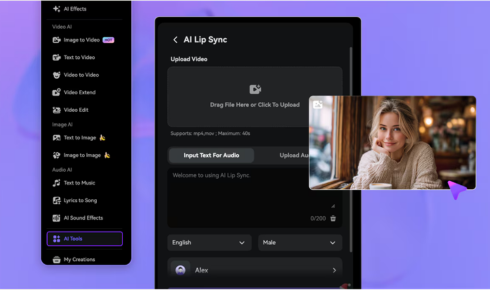
    Instagram has become a powerhouse for visual storytelling, where short, captivating videos drive engagement, build communities, and fuel business growth. Yet for many creators and marketers, the process of producing these videos—from ideation to final polish—remains a significant time sink. Hours spent scripting, filming, editing, and optimizing can quickly erode creative energy and limit output. Fortunately, artificial intelligence tools have matured into practical allies that compress this timeline dramatically, allowing professionals to produce high-quality Instagram content in a fraction of the time while maintaining authenticity and impact. By integrating AI thoughtfully, creators can shift their focus from tedious tasks to strategic storytelling.

    Identifying Bottlenecks in Traditional Video Production

    The typical Instagram video workflow reveals several persistent pain points. Brainstorming hooks that grab attention within the first second often leads to creative blocks. Filming consistent, well-lit clips demands scheduling and equipment, while editing requires mastering software interfaces to trim footage, add transitions, and sync audio. Then comes the labor of generating captions, selecting music, and ensuring vertical formatting suits mobile viewing. For those managing multiple accounts or posting frequently, these steps compound into bottlenecks that stifle consistency.

    AI addresses these challenges by automating repetitive elements without eliminating human oversight. Rather than replacing creativity, it augments it, handling data-heavy processes like pattern recognition in successful videos or generating variations at scale. The result is a more fluid production cycle where ideas move from concept to publishable Reel in minutes rather than hours. This acceleration proves particularly valuable for time-strapped entrepreneurs, influencers, and teams seeking to maintain momentum in competitive niches.

    Selecting the Right AI Tools for Your Needs

    Effective acceleration begins with choosing tools aligned to specific goals. For beginners or mobile-first creators, CapCut stands out with its intuitive interface and built-in AI features that suggest edits, auto-generate captions, and apply trending effects tailored for Reels. More advanced users might turn to platforms like Runway for generative video capabilities, transforming text prompts into dynamic visuals or extending short clips into cinematic sequences.

    Other strong options include Opus Clip for repurposing longer content into bite-sized Reels by analyzing transcripts and highlighting engaging moments, and InVideo for end-to-end creation from scripts to finished videos with stock assets and voiceovers. Tools like Vizard.ai excel at condensing long-form material into platform-ready shorts, while Zebracat offers prompt-based generation for quick drafts complete with visuals and audio. The key lies in starting simple—test one or two tools on a small batch of content to evaluate speed gains and output quality before expanding the toolkit. Consider factors such as export resolution, integration with Instagram, and learning curve to ensure seamless adoption.

    Crafting Compelling Ideas and Scripts with Generative AI

    Idea generation and scripting traditionally consume disproportionate effort. AI language models now streamline this phase by producing tailored outlines based on keywords, target audience, or trending topics. Input a broad theme such as “sustainable fashion tips,” and the tool can deliver a structured script with hooks, key points, and calls to action optimized for short attention spans.

    This process encourages iteration. Creators can generate multiple variations, refine them for personal voice, and incorporate data-driven suggestions on what resonates on Instagram. For instance, analyzing past performance metrics might reveal that questions in the opening line boost retention, prompting the AI to emphasize interactive elements. The educational value here is profound: users learn narrative structures that drive engagement by observing how AI assembles effective sequences, gradually building their own intuition. This step typically reduces preparation time from days of scattered notes to a focused 15-minute session, freeing mental space for authentic delivery.

    Generating and Enhancing Visual Elements Efficiently

    Visual quality often determines whether a video stops the scroll. AI-powered image and video generators allow creators to produce custom footage without extensive shoots. Describe a scene—“a bustling morning market with vibrant produce in warm sunlight”—and tools can output high-resolution clips or stills ready for animation. Image-to-video features further animate static photos, adding subtle movements that enhance dynamism.

    Enhancement capabilities extend to existing assets. AI can upscale resolution, stabilize shaky handheld footage, or apply stylistic filters that match brand aesthetics. For product demonstrations, synthetic backgrounds remove the need for studio setups, while object removal or addition tools clean up imperfections. These functions teach valuable lessons in composition and lighting; by experimenting with prompts, creators develop a sharper eye for what translates well on Instagram’s compressed format. The speed advantage is clear: what once required location scouting and multiple takes now emerges from a single prompt iteration, enabling rapid testing of concepts.

    Mastering Automated Editing and Post-Production

    Editing represents the most transformative application of AI in video production. Modern tools analyze footage to suggest optimal cuts based on pacing, emotion, or audio peaks. Text-based editing, for example, lets users revise video by simply modifying the transcript—deletions or rearrangements instantly update the timeline. Automated captioning adds animated text synced to speech, improving accessibility and engagement in silent scrolling environments.

    Audio refinement receives similar attention. AI noise reduction clarifies dialogue, while voice synthesis or cloning options create professional narrations without additional recording. Music recommendation engines match tracks to mood and tempo, ensuring seamless integration. For Instagram specifically, tools automatically format for vertical orientation, add subtle effects that align with platform trends, and even predict virality factors like hook strength. Through hands-on use, creators gain insights into editing principles: the importance of rhythm, the power of concise storytelling, and techniques for maintaining viewer interest across 15 to 90 seconds. This automation typically slashes editing time by 70% or more, turning a multi-hour chore into a quick review process.

    Refining and Optimizing for Instagram’s Algorithm

    Creation alone does not guarantee visibility; optimization bridges the gap. AI analytics within video tools examine performance patterns across similar content, recommending adjustments to thumbnails, descriptions, or posting times. Some platforms simulate how algorithms might respond to elements like text overlays or sound choices, guiding refinements before upload.

    A/B testing becomes practical at scale. Generate slight variations of a Reel and let AI insights highlight which performs better on metrics such as watch time or shares. This data-driven approach educates users on platform mechanics—why certain transitions retain attention or how caption phrasing influences saves. By treating optimization as an iterative loop rather than a final step, creators develop content strategies rooted in evidence, consistently improving results over time.

    Building a Sustainable AI-Assisted Workflow

    Long-term success depends on embedding AI into repeatable systems rather than sporadic use. A typical workflow might begin with prompt-based ideation, move through asset generation and automated assembly, include a brief human review for brand alignment, and end with scheduled publishing. Batch processing multiple videos in one session maximizes efficiency, while regular audits of tool outputs help maintain quality standards.

    Experimentation remains essential. Track time savings and engagement metrics to refine tool combinations—perhaps pairing a generative platform with a specialized editor. Over time, this builds confidence and reveals new creative possibilities, such as hybrid content blending real footage with AI enhancements. The educational payoff extends beyond speed: users cultivate adaptability, learning to balance technology with personal touch to avoid generic output. Sustainable integration also involves staying informed on evolving features, ensuring the workflow evolves alongside platform updates and tool advancements.

    By embracing these AI capabilities, content creators transform Instagram video production from a bottleneck into a strategic advantage. The technology empowers higher volume without sacrificing depth, enabling more frequent connection with audiences and bolder experimentation. As tools continue advancing, the most successful creators will be those who master this partnership—leveraging automation for efficiency while infusing every piece with genuine insight and creativity. The result is not just faster videos, but more impactful ones that resonate in an increasingly crowded feed.

  • Book My HSRP: Easy Process for Vehicle Owners

    Book My HSRP: Easy Process for Vehicle Owners

    High Security Registration Plates (HSRP) have become mandatory for vehicles across many states in India. These plates are designed with advanced security features that help prevent vehicle theft, duplication, and misuse. Vehicle owners are increasingly searching for convenient online methods to register and install HSRP number plates. This guide explains everything you need to know about book my hsrp services and the registration process.

    What is an HSRP Number Plate?

    An HSRP is a government-approved registration plate made of aluminum and equipped with security features such as a chromium-based hologram, laser-etched serial number, and non-removable snap locks. These features make the number plate tamper-proof and help authorities identify vehicles more efficiently.

    The Government of India has encouraged vehicle owners to replace old registration plates with HSRP plates to improve road safety and strengthen vehicle identification systems.

    Why HSRP Registration is Important

    Vehicle owners must ensure that their vehicles comply with current transportation regulations. HSRP plates provide enhanced security and reduce the risk of fake number plates being used for illegal activities. In addition, many states have introduced penalties for vehicles that do not have approved high-security registration plates.

    By installing HSRP plates, vehicle owners can avoid fines and ensure compliance with government requirements.

    How to Use Online HSRP Booking Services

    The process of booking an HSRP plate has become simple thanks to online registration portals. Many users prefer using bookmy hsrp.com to schedule appointments and register their vehicles without visiting multiple offices.

    Generally, the booking process includes:

    • Entering vehicle registration details
    • Providing chassis and engine numbers
    • Selecting a preferred fitment location
    • Choosing an appointment date and time
    • Completing the online payment process

    After successful registration, vehicle owners receive confirmation details for plate installation.

    Documents Required for HSRP Booking

    Before starting the registration process, keep the following information ready:

    • Vehicle Registration Certificate (RC)
    • Vehicle registration number
    • Chassis number
    • Engine number
    • Mobile number for OTP verification

    Providing accurate information ensures smooth processing and timely installation of the number plate.

    Benefits of Online HSRP Booking

    Online booking platforms offer several advantages. Users can complete the entire process from home, reducing paperwork and saving time. Appointment scheduling helps avoid long queues and ensures faster service at authorized centers.

    Additionally, online tracking features allow users to monitor the status of their registration and installation requests.

    Steps to Install Your HSRP Number Plate

    After successful booking, visit the selected fitment center on the scheduled date. Technicians will verify your vehicle details and install the approved plate using secure snap locks. The process is usually completed within a short period, depending on the appointment schedule.

    Many vehicle owners prefer to book my hsrp number plate online because it offers convenience, transparency, and reliable service.

    Common Mistakes to Avoid

    While booking HSRP plates, ensure that all vehicle information matches the registration certificate. Incorrect chassis or engine numbers may lead to delays or rejection of the application. It is also important to choose an authorized fitment center for installation.

    Keeping payment receipts and booking confirmations can be helpful if you need support or status updates.

    Conclusion

    HSRP registration is an essential step for vehicle owners looking to comply with transportation regulations and improve vehicle security. Online booking platforms have simplified the process, making registration faster and more convenient than ever. By following the correct procedure and providing accurate information, you can obtain your HSRP number plate smoothly and enjoy hassle-free vehicle compliance.

  • Mercedes AMG Downpipes: The Ultimate Upgrade for Performance and Sound

    Mercedes AMG Downpipes: The Ultimate Upgrade for Performance and Sound

    Mercedes-AMG vehicles are known for their incredible power, luxury, and advanced engineering. However, many enthusiasts seek even greater performance by upgrading their exhaust systems. One of the most effective modifications available today is the installation of high-performance downpipes. Whether you own a Mercedes GT63, E53 AMG, or E63 W213, premium downpipes can significantly improve horsepower, torque, turbo response, and exhaust sound.

    Understanding the Importance of Downpipes

    A downpipe is a vital component of a turbocharged vehicle’s exhaust system. It connects the turbocharger to the rest of the exhaust assembly and plays a major role in controlling exhaust gas flow. Factory downpipes are often restrictive because they are designed to meet strict emissions standards.

    By replacing the original downpipe with a high-flow aftermarket option, exhaust gases can exit the engine more efficiently. mercedes e63 w213 catted and catless downpipes This reduction in backpressure helps the turbocharger spool faster and allows the engine to generate more power.

    Why AMG Owners Choose Performance Downpipes

    Performance enthusiasts appreciate modifications that deliver noticeable results. Downpipe upgrades offer a combination of improved engine efficiency, enhanced throttle response, and a more aggressive exhaust tone.

    Unlike some modifications that provide only minor improvements, quality downpipes can deliver measurable gains, especially when paired with professional ECU tuning. The result is a vehicle that feels quicker, more responsive, and more exciting to drive.

    Mercedes GT63 X290 Performance Potential

    The GT63 X290 is one of Mercedes-AMG’s most impressive high-performance models. Equipped with a powerful twin-turbocharged V8 engine, it offers exceptional tuning opportunities for enthusiasts.

    Many owners choose mercedes gt63 x290 downpipes to unlock additional performance while enhancing the signature AMG exhaust sound. With improved exhaust flow, the engine can breathe more efficiently, resulting in faster turbo response and increased overall performance. This upgrade is especially popular among drivers seeking both street and track-day improvements.

    Benefits of Upgrading the Mercedes E53 AMG

    The Mercedes E53 AMG combines luxury, comfort, and impressive turbocharged performance. While the factory exhaust system performs well, there is still room for optimization through aftermarket upgrades.

    A quality downpipe mercedes e53 amg setup can help reduce exhaust restrictions and improve engine efficiency. Drivers often notice sharper throttle response, smoother acceleration, and a more engaging exhaust note. When combined with engine tuning software, the performance gains become even more significant.

    Catted vs. Catless Downpipes Explained

    One of the biggest decisions AMG owners face is choosing between catted and catless downpipes. Each option offers unique advantages depending on driving goals and local regulations.

    Catted downpipes feature high-flow catalytic converters that help reduce emissions while still improving exhaust flow. They are often preferred by drivers seeking a balance between performance and environmental compliance.

    Catless downpipes completely remove catalytic converters, allowing maximum exhaust flow and potential power gains. These systems are generally favored by track-focused enthusiasts who prioritize performance above all else.

    Mercedes E63 W213 Downpipe Upgrades

    The Mercedes E63 W213 is widely regarded as one of the most powerful luxury sedans ever produced. Its twin-turbocharged V8 engine responds exceptionally well to performance modifications.

    Upgrading to catted or catless downpipes can significantly enhance the vehicle’s performance characteristics. Reduced backpressure allows the turbochargers to operate more efficiently, resulting in improved acceleration and stronger power delivery throughout the RPM range.

    Material Quality and Durability

    When selecting aftermarket downpipes, quality construction is essential. Premium manufacturers use high-grade stainless steel to ensure durability under extreme temperatures and demanding driving conditions.

    Precision-engineered components provide proper fitment and long-term reliability. Investing in a well-designed downpipe system helps prevent installation issues while delivering consistent performance for years to come.

    Supporting Future Performance Modifications

    Downpipes are often considered a foundational upgrade because they work exceptionally well with other performance enhancements. ECU tuning, upgraded intercoolers, and performance intake systems all benefit from improved exhaust flow.

    By reducing restrictions early in the modification process, owners create a stronger platform for future upgrades and maximize the effectiveness of additional performance parts.

    Conclusion

    For Mercedes-AMG enthusiasts looking to elevate their driving experience, upgrading the downpipe system is one of the most effective modifications available. Whether it’s the GT63 X290, E53 AMG, or E63 W213, performance downpipes deliver enhanced power, quicker turbo response, and a more aggressive exhaust sound. With options available in both catted and catless configurations, drivers can choose the setup that best matches their performance goals and enjoy a truly exhilarating AMG experience.